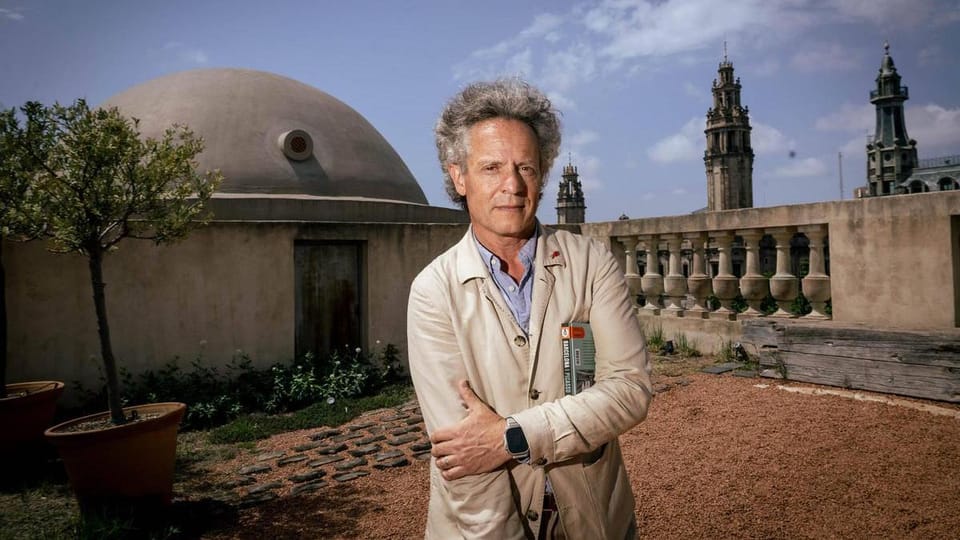
Author Daniel Venteo argues Pablo Picasso's formative years in Barcelona were critical to his identity, stating, "Without Barcelona, Picasso would not be Picasso." His new book explores this deep connection to the city's historic Ciutat Vella district.
Venteo, who grew up in the Born district, near where Picasso first arrived, feels a personal connection to the artist's early life. Picasso moved to Barcelona in 1895 at the age of 13. Venteo noted, "At 13, I identified with him; he always caught my attention as a character." The artist's early life unfolded around Pla de Palau, a central point in the Born.
Picasso's father taught nearby, and his friends had a studio just a street away. Venteo explained, "Here he dreamt of who he wanted to be." Picasso made his first trip to Paris in 1900. He left Barcelona for Paris permanently in 1904, aged 22, having arrived as a child and departing as an adult.
Shaping an Artist in Ciutat Vella
Barcelona proved a significant influence on Picasso's personal and artistic development. He discovered the feminine world in the city, experiencing his first relationships and falling in love with a circus artist. "Here his personality, both human and artistic, emerged," Venteo stated. The city offered both pleasure and trauma, as Picasso met his friend Carles Casagemas in Barcelona, who later died by suicide. This period marked Picasso's first experiences of joy and suffering with women.
Venteo's book aims to reconstruct Picasso's emotional landscape in Barcelona. He looks at the streets Picasso walked, the bars he frequented, and the workshops of his friends. The author also covers where Picasso studied and exhibited his work. Venteo explained, "I try to see Barcelona through Picasso's eyes." He added, "I claim this intimate relationship between Picasso and the historic centre of Barcelona, the one before Via Laietana opened."
A Changing City and Picasso's Returns
Picasso's connection to Barcelona remained strong, even after his move to Paris. However, the city transformed significantly during his lifetime. When Picasso lived in Barcelona, Via Laietana had not yet opened, making the Born a labyrinthine neighbourhood. His returns became increasingly disorienting.
In 1917, Picasso visited Barcelona with his new wife, the ballerina Olga Khokhlova. Venteo described this as a "traumatic experience" for the artist, as the city bore little resemblance to the one he knew. Picasso's father had died in 1913 and was buried in Poblenou. Picasso continued to visit Barcelona until 1934, but that city was no longer his Barcelona.
Barcelona's Enduring Influence
Compared to other cities, Barcelona held a unique weight in Picasso's life. He was born in Málaga, but had no strong ties there beyond family. A Coruña offered a depressive experience due to his living conditions and his sister's death. He studied briefly in Madrid, but it left no lasting impression. "It is Barcelona," Venteo affirmed. Picasso even considered himself Catalan.
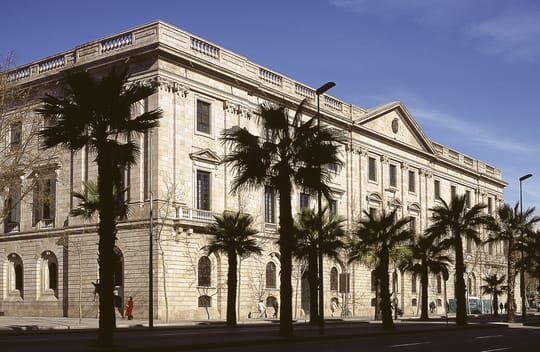
His connection persisted despite the Spanish Civil War and the Franco dictatorship. In 1955, the Bienal Hispanoamericana d'Art dedicated a room to Picasso at the Palau de la Virreina. This marked a timid, early recognition of his work in Barcelona during the 1950s. Later, the Gaspar and Gili families helped prepare Picasso's return to the city, though he never physically came back while the dictatorship lasted. Picasso died in 1973, two years before Franco.
The Picasso Museum and Legacy
The Museu Picasso, which started in 1963, represents the culmination of Picasso's return to Barcelona without his physical presence. The museum grew significantly in the 1970s with his family's support. Architect Jordi Garcés has planned the museum's development for 40 years. In 1981, the centenary of Picasso's birth, officials pushed to rename a street after him. Paseo Picasso received its name in 1983.
Picasso's family lived at number 4, Paseo de Isabel II, upon their arrival. They later moved to Reina Cristina, 3, within the Porxos d’en Xifré complex. Their next home on Calle de la Mercè was demolished for the opening of Plaça de la Mercè. Picasso's geography was firmly rooted in Ciutat Vella.
A Neighbourhood Transformed by Tourism
Venteo reflected on the changes in his own childhood neighbourhood, the Born. He lived on Plaça Comercial from 1975 until 1999. From his home, he saw the Born, Estació de França, and part of Ciutadella Park, a Barcelona he associates with Picasso. Venteo now lives in Poblenou.
He finds the Born "unrecognisable" today, primarily due to tourism. "Everyday life becomes very complicated," he explained. The neighbourhood was once popular and humble, with strong roots. Venteo noted, "If Picasso did not recognise Barcelona when he returned in 1917, I find it hard to recognise it now." He highlighted the irony: "The tourists who make the neighbourhood unrecognisable come, mostly, to see the Picasso Museum."
Sign up for our new entrepreneurs community Bizcelona, now accepting our second wave of applicants.
Originally published by El Periódico Barcelona. Read original article.