Artificial floods to mimic natural sediment flow
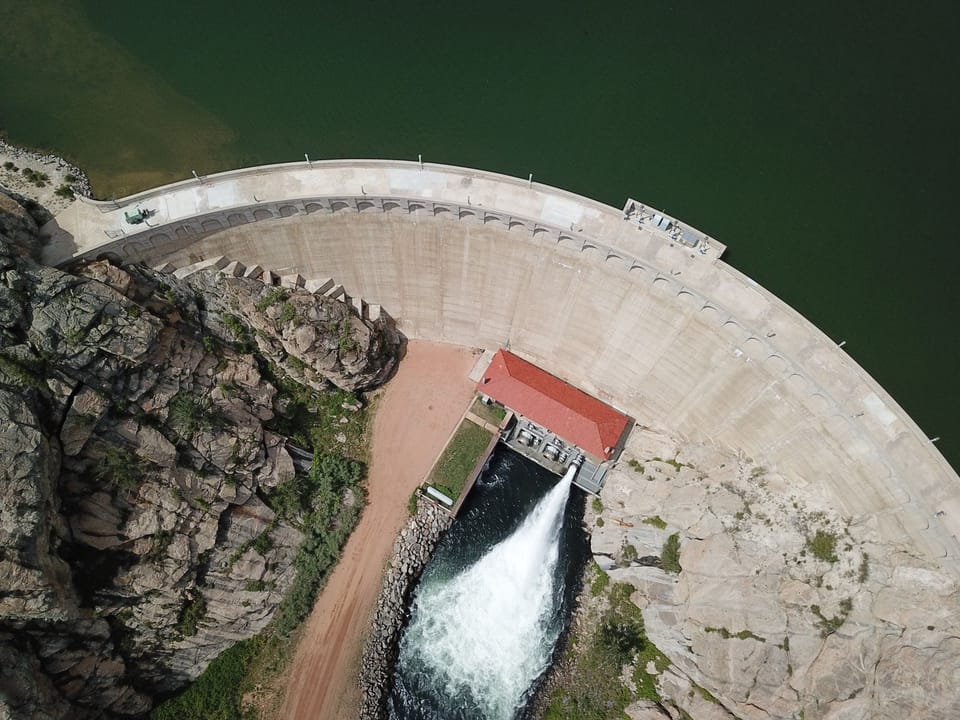
The Agència Catalana de l'Aigua (ACA) plans to open sluice gates at dams on the Ter and Llobregat rivers to generate controlled floods, pushing trapped sediments downstream to help restore coastal beaches in regression. The move follows pilot tests on the Ebro river, where artificial floods successfully mobilised sediment from the Mequinenza, Riba-roja and Flix reservoirs. Sediments such as sand, gravel and silt naturally travel downstream to nourish river deltas and beaches, but dams block this flow. By releasing water from the bottom gates during rainy periods, the ACA aims to simulate natural flood events and transport accumulated material toward the sea without wasting freshwater resources.
The idea is to amplify the budget and incorporate what was not invested into the new period to dedicate more efforts.
Mònica Bardina, head of planning and environmental restoration at the ACA, confirmed that €500,000 previously allocated for sediment management was not spent due to recent drought conditions. "The idea is to amplify the budget and incorporate what was not invested into the new period to dedicate more efforts," she said.
Technical and environmental challenges
Two conditions must be met: operations must occur during rainy periods to avoid water loss, and sufficient sediment must be present near the dam. Often, fine silts and sands settle at the far end of reservoirs, far from the gates, limiting effectiveness. Albert Rovira, an ACA technician, noted that one annual release may be feasible, but Mediterranean rainfall variability makes timing uncertain. While large dams on the Ter and Llobregat, such as Sau and Susqueda, are located upstream and retain less sediment than Ebro reservoirs, smaller dams like those on the Foix and Gaià rivers are positioned closer to the coast and hold more relevant deposits. For these, the ACA is developing targeted sediment-release projects, including potential partial dam removal on the Gaià.
Broader river restoration strategy
Beyond controlled releases, the ACA is removing obsolete weirs and small dams to restore natural sediment flow. When these barriers are dismantled, accumulated materials are left in place to be gradually transported by future floods. Such actions also improve fish passage and overall river ecosystem function. Experts warn that river channelisation has narrowed waterways, increased flow speed and reduced sediment transport. Restoring old meanders, removing lateral barriers and relocating gravel from surplus to deficit areas are part of a wider effort to revive natural river dynamics. Bardina stressed a shift in mindset: "Before, sediments seemed like waste; now we understand they belong to the river and must remain within it." The ACA continues to monitor pilot projects and implement gradual interventions, balancing ecological recovery with technical feasibility.
Primary sources: govern.cat. Reported by Guillem Costa, diarimes.com, Claveria Saracibar, Andrea, chebro.es, Eenda Works, Miguel Angel García Vera, eleconomista.es, El Nacional, elperiodico.com.