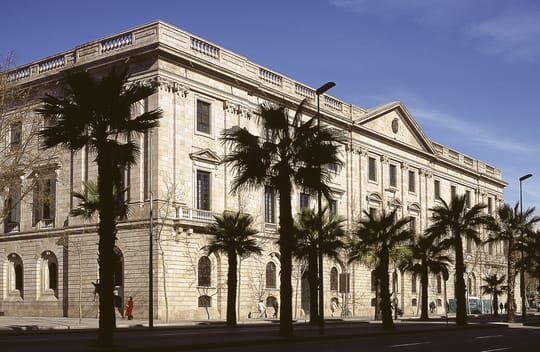
The Gran Teatre del Liceu, located on La Rambla in Barcelona, starts its run of Jules Massenet's tragic opera Werther on Monday, 6 May. This production features tenor Xabier Anduaga in his first performance as the iconic romantic hero.
The opera, based on Johann Wolfgang von Goethe's novel The Sorrows of Young Werther, tells the story of an obsessive and ultimately fatal love. Werther falls deeply in love with Charlotte, a young woman already promised to another man. His unrequited passion leads to his tragic suicide.
German mezzo-soprano Kristina Stanek makes her Liceu debut as Charlotte. Hungarian conductor Henrik Nánási leads the orchestra, bringing Massenet's 1892 score to life. Director Christoph Loy's staging offers a new perspective on the classic work.
A New Interpretation of a Classic
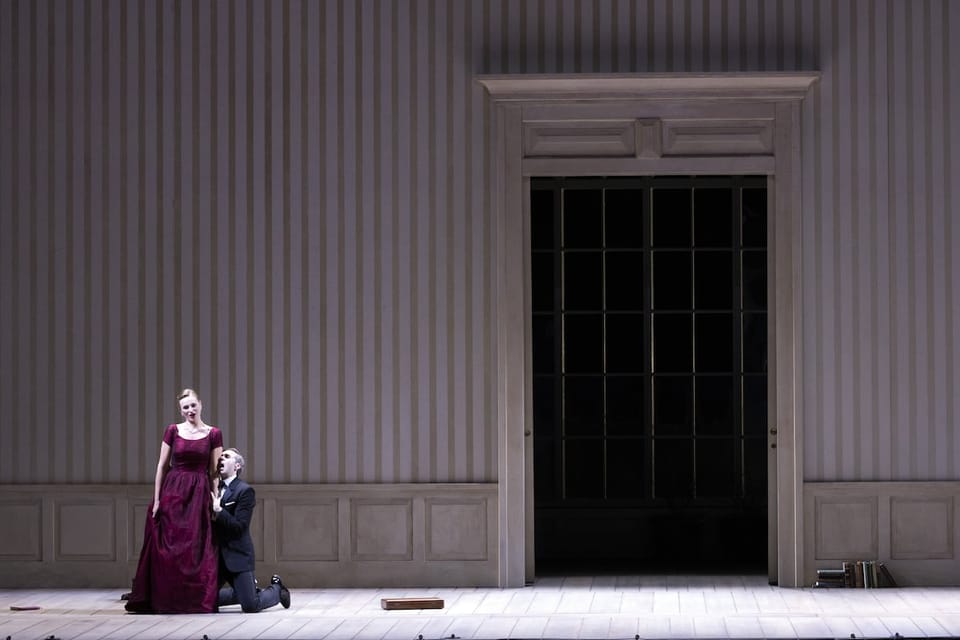
Director Christoph Loy has moved the opera's setting from the 19th century to an affluent 1950s household. His set design features a large, elegant wall dividing the stage. This wall symbolises the emotional barrier between Werther and Charlotte's world.
Loy explained his artistic choice, stating, "It is a great wall with a single door where we can imagine the world of Charlotte and her family, which Werther will not reach." He seeks a psychological view of the characters. Loy also noted this production is not a typical revival, as its interpretation changes with the cast.
Tenor Xabier Anduaga shared his experience taking on the lead role. "It is the first time in my life that the opera is named after my character," he said. "And that has its good and bad sides. I feel a vocal weight."
Anduaga highlighted the demanding nature of the role. "My character is completely naked all the time," he added. "Sometimes there are possibilities to hide, but in Werther, no. It is open for good and for bad, and I like it."
Mezzo-soprano Kristina Stanek also spoke about the emotional challenge of the opera. "Perhaps the most difficult part for me is the emotional," she admitted. "I could start crying from the second act, but it is not good for singing or acting."
Stanek described the opera's profound impact. "It is an opera that moves, touches, and reaches the heart," she stated. The general rehearsal on Thursday saw the audience give a standing ovation to the lead performers.
Historical Impact and Modern Relevance
Goethe's original novel, published in 1774, achieved great success. It also sparked a disturbing wave of suicides among young people in the 18th century who wished to emulate Werther. Massenet's opera, composed over a century later, captures this intense romantic drama.
Víctor García del Moral, Artistic Director of the Gran Teatre del Liceu, offered insight into the opera's significance. "Werther is considered a kind of French Tristan," he said. He also connected the story to contemporary issues. "This Werther is a call to listen and attend to the emotions of the most vulnerable," García del Moral added.
Pau Casals' Cello Takes the Stage
This production holds special significance as it commemorates the 150th anniversary of the birth of Catalan maestro Pau Casals. Casals, a world-renowned cellist, played his Goffriller cello for 60 years. He wished for it to continue making music after his lifetime.
Thanks to the Pau Casals Foundation, his historic cello will be used in all performances of Werther. Òscar Alabau, the principal cellist of the Liceu, will play the instrument. This adds a unique local connection to the international opera production.
The Werther run includes a special "under 35" function held on Saturday, 4 May. The opera will run for a total of 10 sessions at the Gran Teatre del Liceu until 17 May. Barcelona residents and visitors have many opportunities to experience this powerful and emotionally charged production.
Sign up for our new entrepreneurs community Bizcelona, now accepting our second wave of applicants.
Originally published by El País Barcelona. Read original article.