You want one good Asian meal in Barcelona and you do not want to gamble forty euros on a fusion spot with a DJ. That is the problem this guide solves. The city's Asian food is patchy, the mainstream Catalan press barely covers it, and the international chains have mostly stayed away. What you get instead is a small set of owner-cook places, most of them first- or second-generation, each doing one cuisine and doing it properly. The rest is noise. Here is the working list residents actually use, organised by what you are after, with prices, booking advice, and the catches nobody tells you about.
Best for: residents and curious visitors who want one cuisine done well, are happy to travel two metro stops for it, and will book ahead.
Avoid this guide if: you want a central terrace on Passeig del Born, a tasting menu under €30, or English-language service guaranteed at every table.
The quick comparison
If you only read one thing, read this.
| Restaurant | Cuisine | Per-head price | Best for | Catch |
|---|---|---|---|---|
| Liuyishou | Sichuan hotpot (chain) | €30–€45 | Groups, first-timers, English menus | Books up Friday and Saturday |
| Sichuan Hotpot | Sichuan hotpot (independent) | €25–€35 | Deeper málà flavour, smaller groups | Cash easier than card |
| Yatai | Tonkotsu and shoyu ramen | €16–€22 | Reliable lunchtime bowl | Lunchtime queue |
| Kawamura | Ramen, €15 lunch set | €15–€22 | Best-value ramen in the city | Smaller dinner menu |
| Tuk Tuk Thai | Thai (family-run) | €20–€30 | Real heat on request, papaya salad | Tiny dining room |
| Thai Erawan | Thai (broader menu) | €22–€32 | Larger groups, broader curry list | Slightly pricier |
| Rasa Malaysia | Malaysian, roti canai | €15–€25 | Lunch set, vegetarians possible | Small room, books up fast |
| Tandoori Nights | North Indian | €15–€25 | Group curry dinners, lunch deal | One address in the Raval |
| SWAD | Indian | €12–€20 | Meat and vegetarian options | In Poblenou, rather than the centre |
| Chennai Masala Dosa | South Indian dosa | €10–€15 | Sunday lunch, fast meal | Closed Mondays, out in Les Corts |
| Kamasot | Korean BBQ | €30–€40 | The headline Korean meal in Barcelona | Bookings essential |
Now the detail.
Hotpot: which one and why
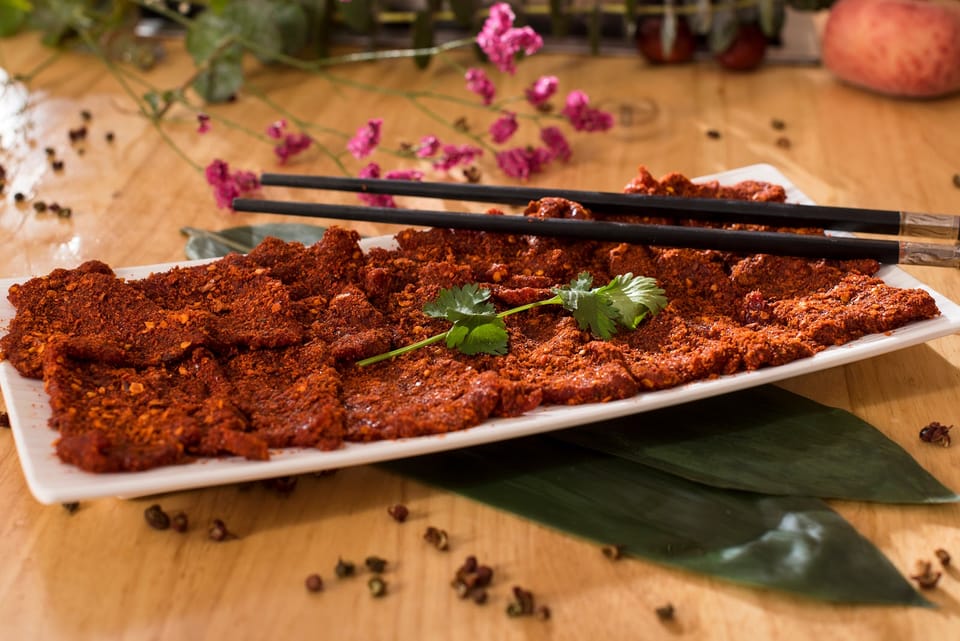
Liuyishou Hotpot on Carrer del Consell de Cent is the Barcelona branch of the international Sichuan chain Liuyishou Huoguo, and the one Chinese residents recommend first when asked. Proper twin-broth pots (you choose half spicy, half mild), the stuffed-meatball-and-quail-egg menu, an ordering tablet that copes in English. Bookable through their site or by phone, worth doing for groups of four or more, although they now take two-person bookings too. Per-head spend lands €30 to €45 once you have added beef, lamb and a couple of beers.
Sichuan Hotpot on the Tetuan side of Eixample is the smaller, more old-school option. Less polished, more authentic, and the broth has a deeper numbing-spice character (málà, the tongue-tingling Sichuan peppercorn-and-chilli profile) than the chain version. Cash often easier than card. Per-head spend lands €25 to €35 once you have ordered enough beef, lamb, lotus root, mushrooms and quail eggs to finish.
Best for: a long Saturday night with four or more friends, two-hour minimum at the table.
Avoid if: you want a quick bowl. Hotpot is a meal, not a snack.
Ramen: where the €15 bowl still exists
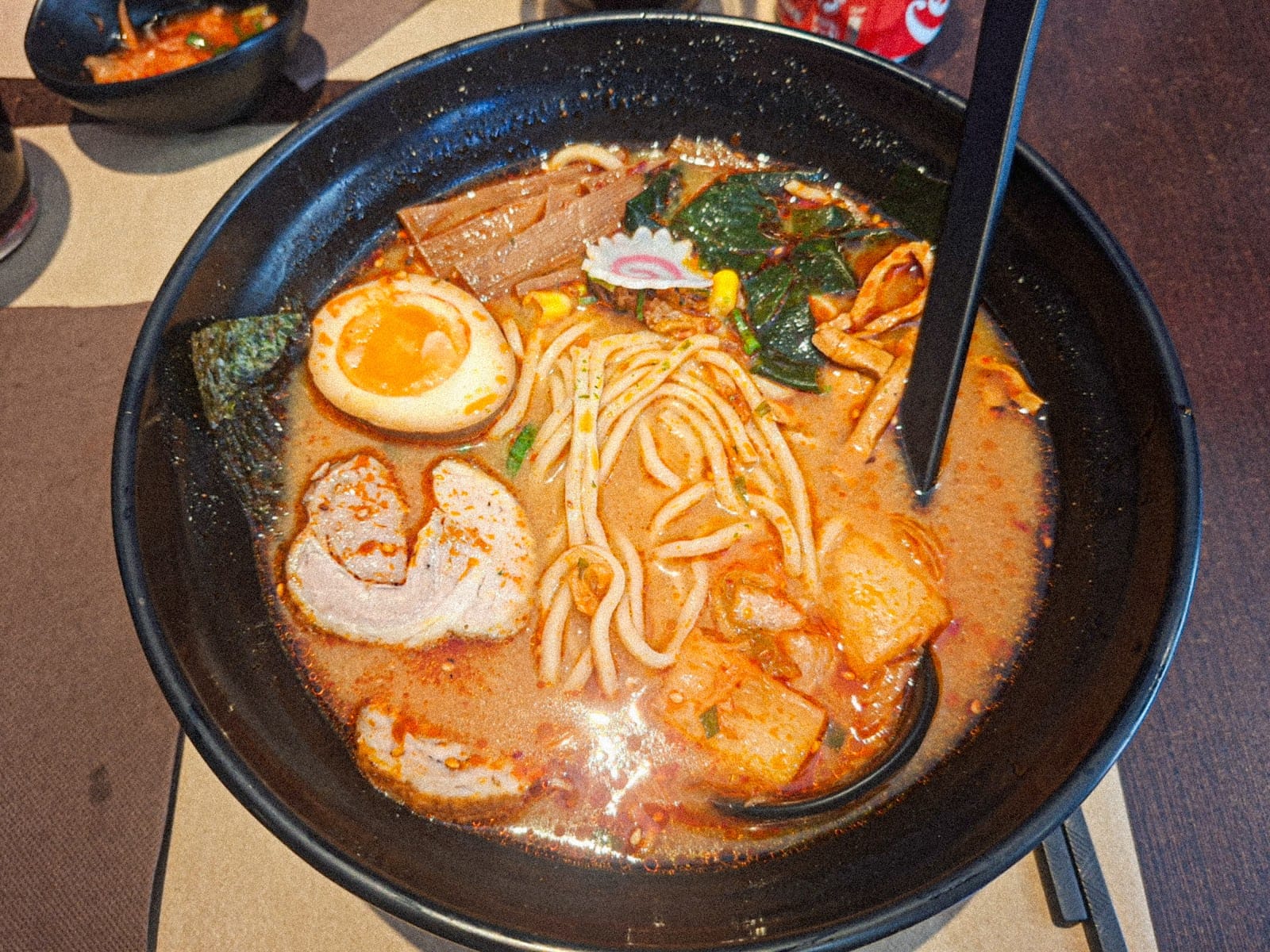
Ramen in Barcelona is almost always more expensive than it should be. The €18 bowl is normal. Two places residents go to most often.
Yatai does a proper tonkotsu (the rich pork-bone broth simmered for hours) and a respectable shoyu (soy-based), with a queue at lunchtime and a smaller crowd at dinner. Bookings hold up reasonably well at weekends; midweek is walk-in fine.
Kawamura on Carrer d'Aragó runs a €15 lunch ramen which is among the better-value bowls in the city. Smaller dinner menu, bookings sensible at weekends. The chashu pork (the braised pork-belly slice on top) is the right indicator dish for whether the kitchen is having a good day: if it falls apart on the chopsticks, the rest of the bowl will be right.
For sushi and izakaya, the resident list is longer and depends on neighbourhood. Most expats will tell you the cheap conveyor belts are not worth it; the small omakase counters are, but they sit at €60 a head and up. Treat them as occasional treats, not weekly habits.
Thai: ask for real heat
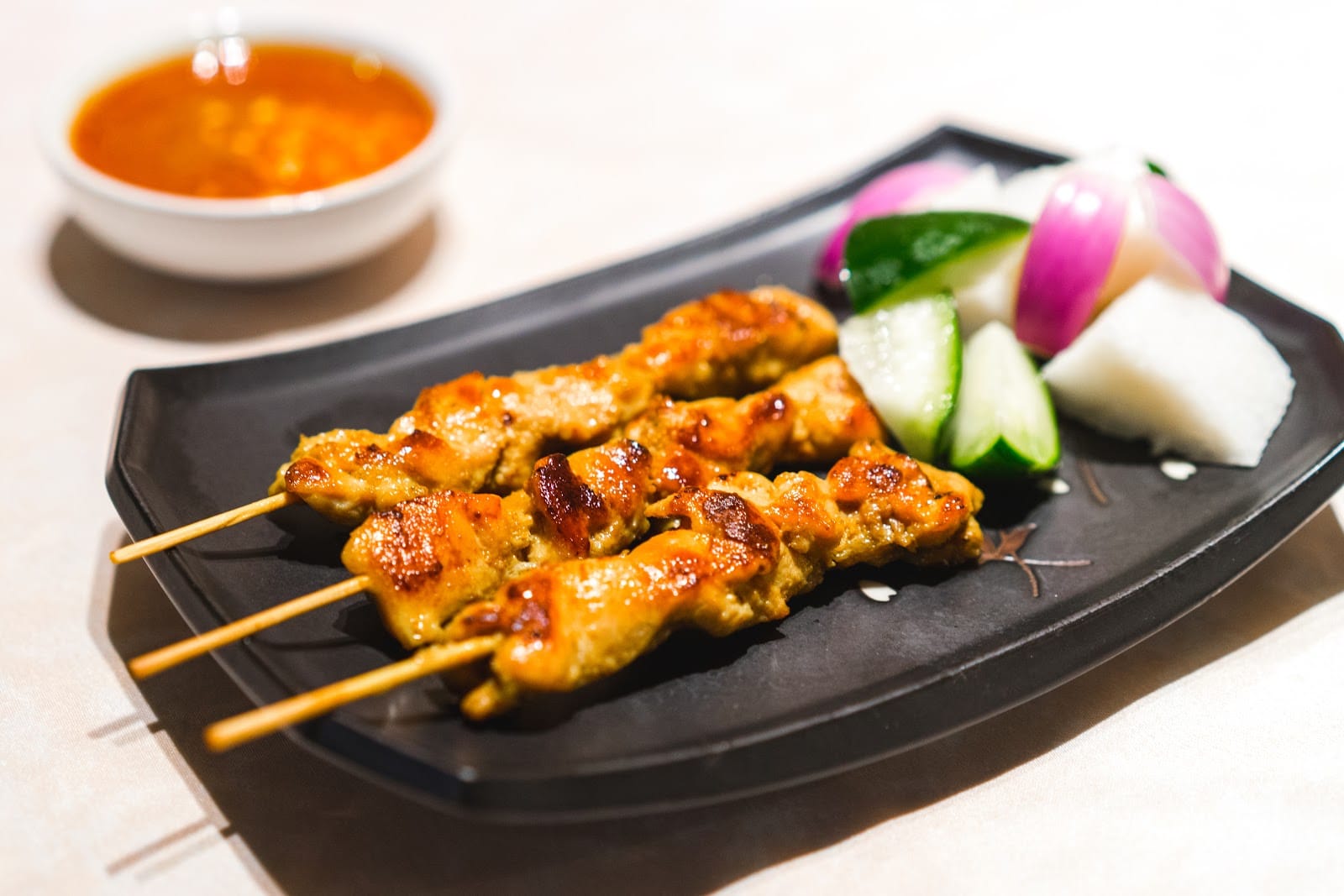
Tuk Tuk Thai near Gràcia is the small, family-run option that gets recommended over and over again. Pad krapow, larb, green curry, a proper papaya salad, all done with real heat if you ask for it. The default heat level is dialled down for the Catalan palate, so say "Thai spicy" when ordering. Reservations sensible, especially Friday and Saturday evenings.
Thai Erawan can be found on Carrer de Sant Pere d'Abanto, in the Sants-Montjuïc district. The papaya salad is the dish to start with; the curry list is broader than most central Barcelona Thai places.
Malaysian and Indian: the underrated tier
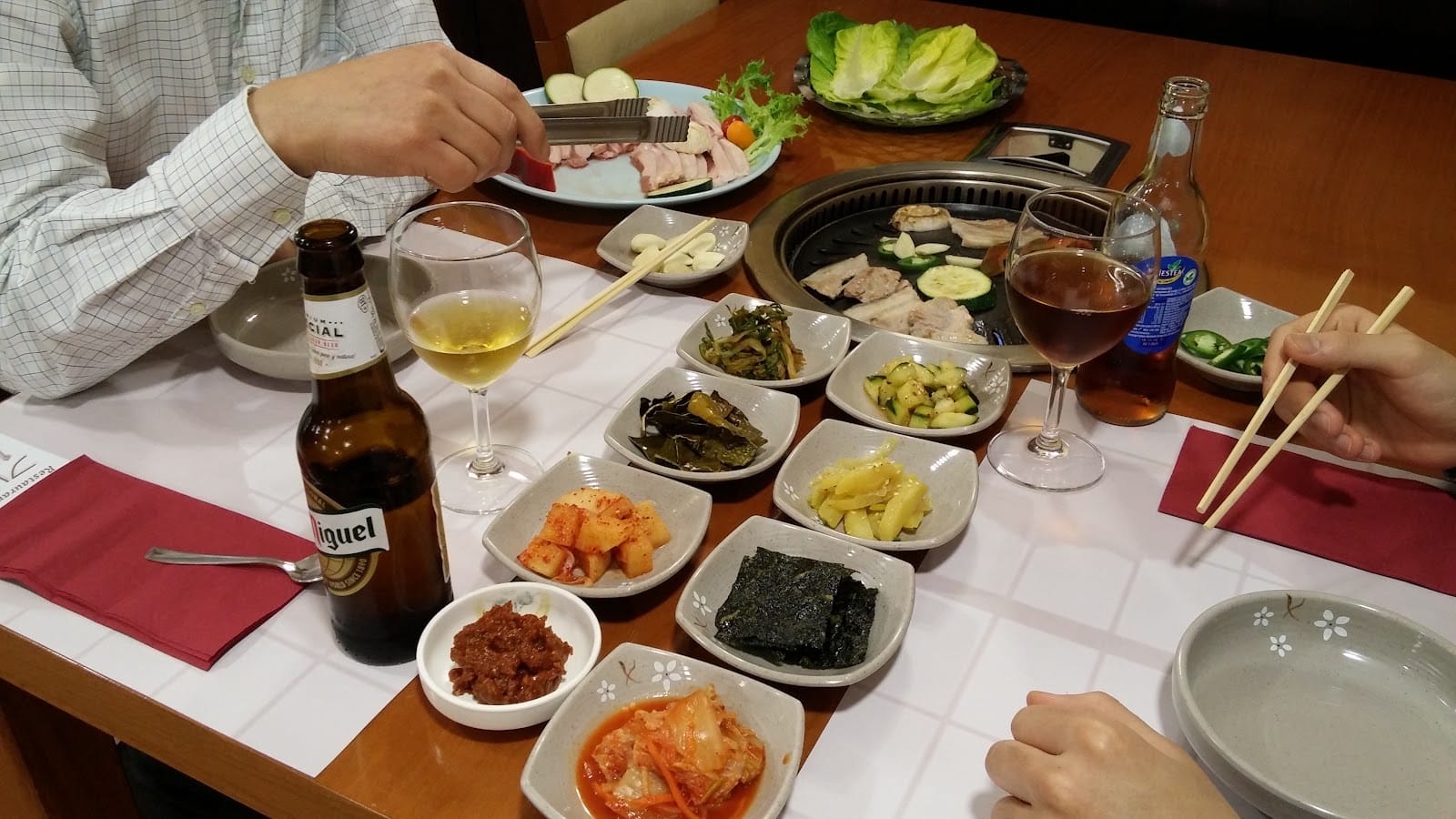
Rasa Malaysia is the Malaysian restaurant residents recommend for roti canai (the flaky flatbread served with curry sauce), beef rendang, curry laksa and the lunch set. Small, family-run, the kind of place where you order the lunch deal and walk out happy. Per-head €15 to €25, less if you stick to the lunch menu.
Tandoori Nights is the long-established North Indian restaurant, located on Carrer de les Carretes in the Raval. Good for a curry-and-naan dinner with a group, decent vegetarian options, runs a lunch deal that is one of the better-value sit-downs in central Barcelona on a weekday.
SWAD, a general Indian restaurant on Carrer de Sancho de Ávila in Poblenou, is run by chef-owner Punit Gupta and serves meat dishes including lamb and chicken, as well as vegetarian options.
Chennai Masala Dosa on Carrer de Galileu in Les Corts is the dedicated dosa option, a family kitchen with more than twenty versions of the crisp lentil-and-rice crepe. It opens Tuesday to Sunday, so it covers the Sunday gap when a lot of the city is shut, but it closes on Mondays and breaks in the middle of the day.
Best for vegetarians: Chennai Masala Dosa first, Rasa Malaysia second (most curries are adaptable).
Avoid if: you need wine pairings. These are family kitchens, not gastrobars.
Korean BBQ: there is really only one answer
Kamasot is the resident pick for Korean BBQ. Historically minimum-four-person bookings; they have opened to two-person tables on most nights in recent years. Per head, with banchan (the small side dishes that arrive before the meat) and a couple of beers, you are looking at €30 to €40. Make a booking. Walk-in on a Friday at 9pm rarely works.
The Korean scene in Barcelona is small and slow-moving. A handful of newer places have opened in Eixample but the consensus pick is still Kamasot for the headline meal, with the smaller noodle and bibimbap places filling in for weekday lunches.
How do I actually get there, pay, and not get caught out?
A few things the rest of the food press will not tell you.
Transport. Most of these places sit on the L1, L2 or L5 metro line. Tetuan, Universitat, Urgell and Diagonal stops cover the lot. Use TMB's T-casual (the ten-trip travel card, currently €13) if you are visiting for a week. The metro stops running at midnight Sunday to Thursday and 02:00 on Friday, with an all-night service Saturday into Sunday: a long hotpot dinner can run past the last metro, so know where the night bus (NitBus) stops near the restaurant.
Payment. The chain places such as Liu's take card without drama. Several of the smaller owner-cook places (Sichuan Hotpot, Tuk Tuk Thai, Chennai Masala Dosa) work better with cash, or have a card-minimum of €20. Carry €40 in cash for any meal at a family-run place.
Language. English menus exist everywhere on this list. Catalan and Spanish are appreciated, Mandarin is useful at the hotpot places, but no one will be cold if you only speak English. Ordering off-menu (asking for real heat at Tuk Tuk, asking for the staff broth at Sichuan Hotpot) does need either Spanish or a friendly pointing strategy.
Seasonal closures. August is the trap. Many family-run places shut for two or three weeks, sometimes the whole month. Tuk Tuk Thai, Rasa Malaysia and SWAD have all closed for chunks of August in recent years. Call or message on Google Maps a day ahead in late July and August. The chains stay open.
Bookings. Most take reservations through their Google profile, a few only by phone. TheFork covers Tandoori Nights and Thai Erawan reliably. For Kamasot and Liuyishou, ring directly. Walk-in on Friday or Saturday after 9pm is a gamble across the board.
Allergens and dietary needs. Spain's allergen labelling rules come from Real Decreto 126/2015, which requires restaurants to declare the fourteen major allergens on request. Smaller family-run kitchens may not have written allergen lists ready, so phone ahead if you have a serious nut or shellfish allergy. The Sichuan and Malaysian kitchens use peanuts liberally; the Japanese and Korean kitchens use soy and sesame as base seasoning.
What to avoid, and why
A short list.
Pan-Asian fusion anywhere with cocktail-bar lighting and a DJ. Almost always overpriced and undercooked, menus written for Instagram not for people who eat the cuisine.
All-you-can-eat sushi buffets. The fish is usually frozen, the rice is wrong, the €13.90 lunch deal is not a deal.
Anywhere using "Chow Mein" as the main name. The good Chinese restaurants in Barcelona are mostly named in Chinese characters first, with a transliteration second.
The €25 pad thai on Passeig del Born. Walk five blocks west and pay €12 for a better version at Tuk Tuk or Thai Erawan.
The trick most people miss
The best Asian meal in Barcelona is often the lunch menu, not the dinner.
Liu's, Yatai, Kawamura, Tandoori Nights, Rasa Malaysia: all run a menú del dia (the fixed-price weekday lunch menu, a Catalan institution) or lunch set that is a third less than dinner for the same kitchen. If you are trying somewhere new, go at 13:30 on a Tuesday with a friend. The atmosphere is calmer, the kitchen is fresh, and the bill is lower.
The other thing under-explored. Sant Antoni and Tetuan have quietly become the best neighbourhoods for owner-cook Asian places, partly because commercial rents are lower than in El Born or central Eixample. If you are food-curious and have a free Saturday afternoon, walk Carrer del Comte d'Urgell from Sant Antoni Market north, and Carrer de Tetuan around Plaça de Tetuan. You will find places that are not on any list. That is most of the point.
Recap: what to do tonight
Three scenarios, three answers.
| You are… | Go to | Book by |
|---|---|---|
| Four friends, Saturday, want a long dinner | Liuyishou or Kamasot | Phone, two days ahead |
| Solo, Tuesday lunch, want one good bowl | Kawamura €15 set | Walk in at 13:30 |
| Vegetarian visitor, weekend | Chennai Masala Dosa | Walk in, midweek easier |
Asian food in Barcelona is not where Asian food in London or Lisbon is. It is smaller, scrappier, and concentrated in the hands of a few families who care. Pick one from this list, book ahead, bring cash, and you will eat well.
Founder or freelancer in Barcelona?
Once you have found your hotpot spot or your go-to dosa place, half the fun is comparing notes on where to eat next. That is the kind of thing English-speaking residents swap daily in the Barcelona English Speakers community, with 4,000+ members across 20+ free, moderated WhatsApp groups covering food, neighbourhoods, flat-hunting and more. Come and join us, and bring your own restaurant recommendations.