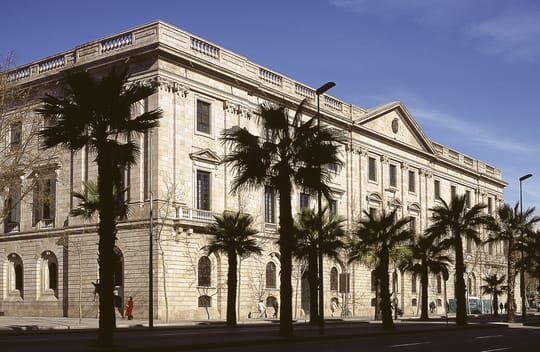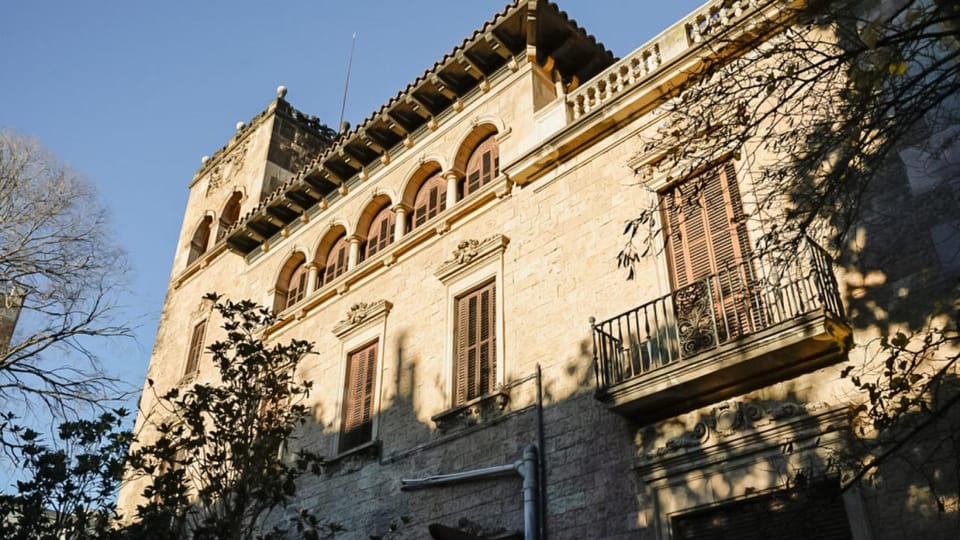
Barcelona City Council has given preliminary approval for a €7.5 million project. This will transform the historic Julio Muñoz Ramonet estate in the Sant Gervasi district into a cultural centre and art gallery. The plan opens its disputed legacy to the public nearly 40 years after the industrialist's death. This move resolves one of the city's most complex and controversial patrimonial issues.
A Decades-Long Legal Battle
Julio Muñoz Ramonet, a powerful industrialist, amassed his fortune under the Franco regime. He left his luxurious estate and a thousand artworks to Barcelona, stipulating public display. However, an extensive legal battle with his daughters delayed this process for decades. The dispute continues, with 77 valuable art pieces still missing. Despite this, the city now takes a decisive step to honour his will. The estate, located on Muntaner Street, has long been a point of contention. Its transformation marks a significant cultural and historical development for Barcelona.
A Flexible Cultural Space
The project, scheduled for the 2027 to 2031 municipal term, will not create a traditional museum. The Fundación Muñoz Ramonet conceives the space as a "mixed and flexible" cultural centre. The main residence's first floor will feature a permanent exhibition. This will display a curated selection of about 268 works. These include canvases by masters like Goya, El Greco, Tiziano, and Fortuny. The foundation acknowledges it cannot show the entire original collection due to its immense size. It will prioritise works of significant artistic relevance. This new centre will enrich Barcelona's cultural offering for residents and tourists.
Journey into Post-War Opulence
The palatial residence itself will serve as a time capsule. Technicians describe the reform as "surgical and respectful." It will keep the noble rooms on the ground floor intact. Visitors can explore the dining room, reading room, music room, and grand reception hall. Architect Enric Sagnier designed these spaces. They represent one of Barcelona's few preserved examples of the opulent lifestyle. This shows the prestige-seeking bourgeoisie during the 1940s and 1960s, who were aligned with the dictatorship. This offers a unique historical insight for residents and visitors alike into a specific period of the city's past.
Torre Avenir to Host Catalan Cinema
The rehabilitation plan extends beyond the main residence. Torre Avenir, another building on the estate, will also undergo remodelling. Works on this tower will start sooner, this September, and continue until 2027. This adaptation will cost €2.8 million. The Ajuntament, the Generalitat de Catalunya, and the Fundación will jointly fund it. Torre Avenir will become the new headquarters for the Acadèmia del Cinema Català. Additionally, it will host entities linked to classical and early music, organising small-format concerts. This provides a new home for an important cultural institution.
Respectful Heritage Restoration
The Ajuntament has listed the estate as a heritage asset with elements of interest. Therefore, the architectural project plans a highly respectful intervention. Both the main residence and Torre Avenir will have their façades restored. This will recover Sagnier's original decoration, removing later additions. Inside, workers will meticulously preserve the period pavements, ceilings, and ornaments. The plan's guidelines state that the buildings will not increase their exterior volume. However, an internal distribution reorganisation will happen. This will optimise spaces and adapt them for new museum and cultural needs. This comprehensive project ensures the preservation of a significant piece of Barcelona's history. It also creates a vibrant new cultural destination for the city's residents and visitors.
Sign up for our new entrepreneurs community Bizcelona, now accepting our second wave of applicants.
Originally published by Metrópoli Abierta - Urban Life. Read original article.