Barcelona's neighbourhood associations have welcomed the city council's new interurban bus reorganisation plan, announced last week. The Federació d'Associacions Veïnals de Barcelona (Favb) stated on Monday that while positive, these measures do not address the fundamental challenges facing public transport users.
Favb Calls for Long-Term Solutions
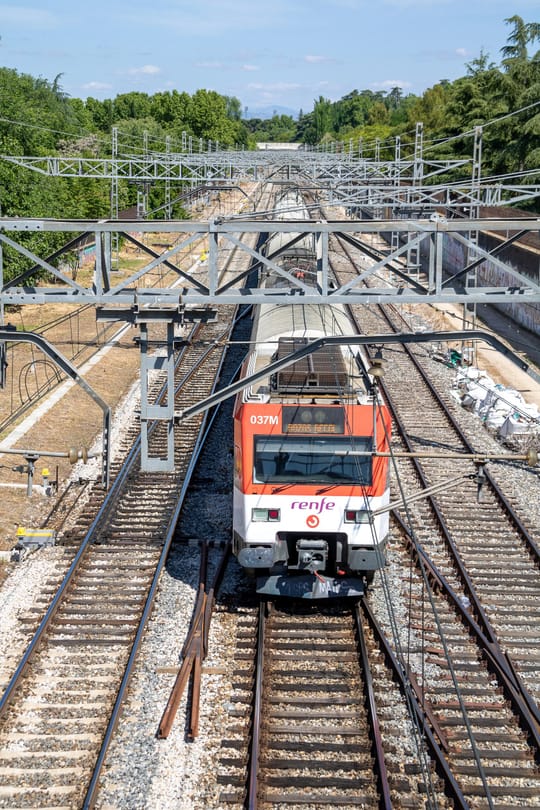
The Favb predicts that interurban bus use will not decrease. This is due to ongoing deficiencies in the Rodalies train network and rising petrol prices. The association urges the City Council to look "beyond immediate management" and plan for the future. They propose strengthening public transport services to meet new user demand. Additionally, the Favb suggests opening working groups between institutions and residents. They also advocate for long-term metropolitan planning and investment. This is critical given the growth in the city's northern areas and the expansion of Hospital Clínic.
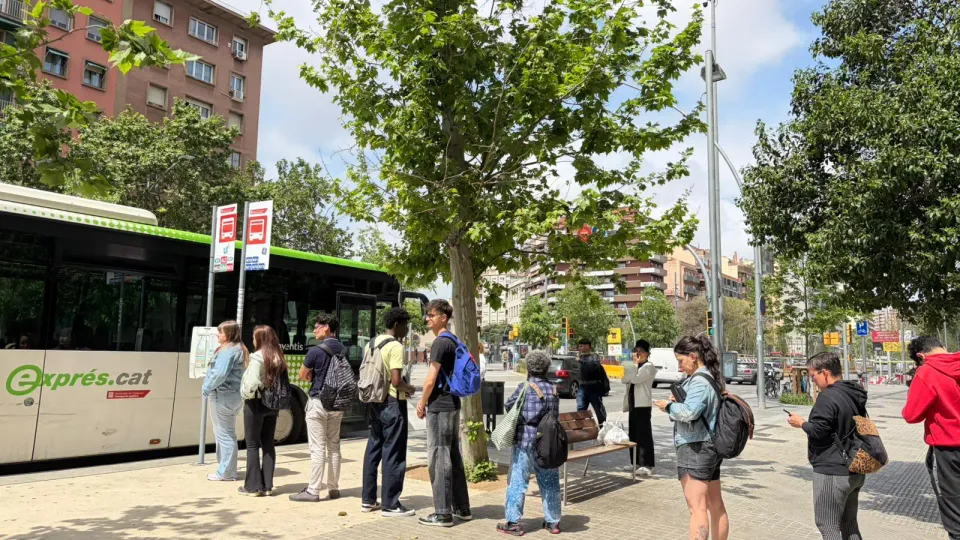
Long queues of commuters gather at peak times, filling pavements and obstructing pedestrian flow. These daily crowds are particularly noticeable in areas like Avinguda Diagonal and Fabra i Puig. They also occur around Plaça d'Espanya and Gran Via. Up to 20,000 people use these points daily, according to City Council data. These significant numbers highlight the urgent need for improved infrastructure.
New Interurban Bus Stops Announced
First Deputy Mayor Laia Bonet announced the creation of new interurban bus stops last week. These new stops will be near the city's four main entry and exit routes. New facilities will appear at the Gran Via Sud access point. Along the Diagonal, stops will be installed near Plaça Pius XII and the Illa shopping centre. To ease congestion at the Meridiana entry, new stops will be created between La Sagrera and El Clot. Finally, new stops will serve the Gran Via Nord area, between Plaça de les Glòries and Plaça de Tetuan.
Enhancements to Existing Infrastructure
The City Council will also improve existing bus stops across the city. Many current stops lack basic amenities. One key measure involves installing shelters at stops that currently do not have them. The council will also review routes to shelters and pedestrian crossings. They will pave tree pits to prevent users from tripping. Furthermore, new urban furniture will be installed. This includes benches, chairs, and bins. New systems will provide shade and shelter, protecting passengers from rain. Vertical and horizontal signage will clearly mark stops. Where possible, public toilets will also be installed.
These changes aim to improve the daily commute for thousands of residents and visitors. However, the Favb's call for deeper, long-term planning shows that the city faces ongoing challenges. Addressing these issues requires continued investment and collaboration to ensure a truly effective public transport system for Barcelona's growing population.
Sign up for our new entrepreneurs community Bizcelona, now accepting our second wave of applicants.
Originally published by 20 Minutos Barcelona. Read original article.