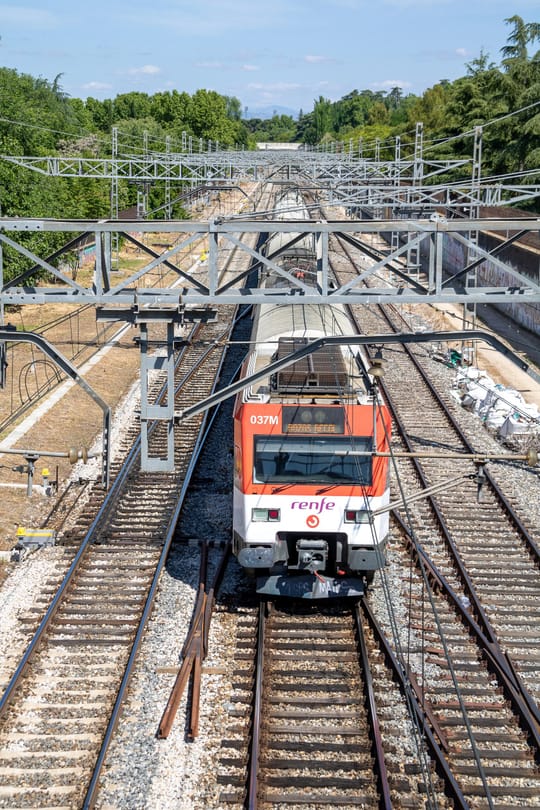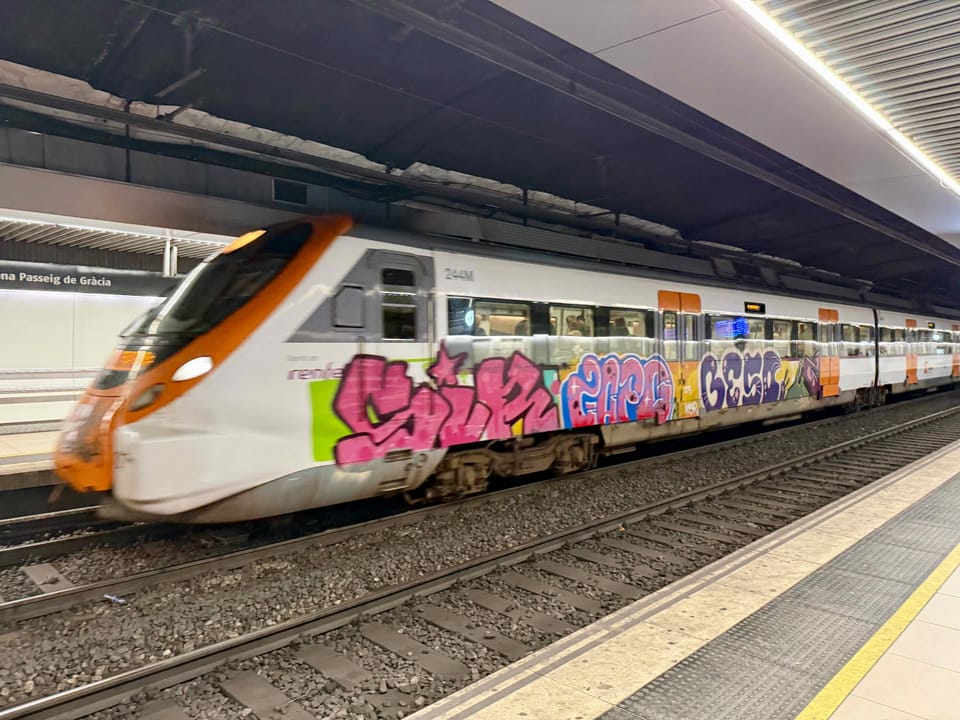
The Rodalies R3 line remains the most severely affected railway service in Catalonia, with significant sections still out of operation five months after a fatal accident prompted extensive network inspections and emergency repairs. This prolonged disruption impacts thousands of daily commuters travelling between Barcelona and northern towns like Vic and Ribes de Freser.
Ongoing Service Interruptions
Currently, trains only run on limited segments of the R3 line, specifically between La Garriga and Vic, and from Torelló to Ribes de Freser. Many passengers now use substitute bus services, which they find much more reliable. The State Secretary for Transport, José Antonio Santano, acknowledged the challenges but offered a positive assessment of the overall network. "The network has experienced sustained improvement in safety, reliability, and service capacity," Santano stated, expressing satisfaction at a significant reduction in incidents.
Emergency Works and Delays
The current crisis began five months ago following a fatal accident in Gelida, which claimed the life of a trainee driver. This incident led to an intense campaign of inspections across the entire Rodalies network. These checks exposed numerous infrastructure deficiencies, prompting an unprecedented volume of maintenance work on slopes, tunnels, and other critical areas. Officials committed €167 million to these emergency works.
Major sections of the R3 line remain closed due to these issues. North of Ribes de Freser, traffic stopped completely because of severe tunnel problems requiring urgent repairs. Between Vic and Torelló, circulation is interrupted for emergency work on a bridge, with officials expecting this section to reopen from Monday. Further south, the line from La Garriga to Barcelona is out of service for planned duplication works between Mollet and La Garriga, which started last autumn.
Impact on Commuters and Students
These planned upgrades faced an unexpected setback when a wall at a cement factory near Montcada Bifurcació station collapsed. This incident forces the reconstruction of the collapsed section and the rest of the wall, extending the closure of this vital stretch until early next year. As a direct consequence, the Rodalies R7 line will also remain out of service for the same period. This significantly complicates mobility for students attending the Universitat Autònoma de Barcelona (UAB) during the upcoming academic year.
Other parts of the Rodalies network have seen service restoration. The R8 line, for example, resumed operations after extensive works. Regional lines in southern Catalonia, connecting Tarragona to Lleida, also returned to service after months of closures due to speed restrictions. Only the R13 line between La Plana Picamoixons and Sant Vicenç de Calders remains closed, with an expected reopening on 6 July.
Network-Wide Improvements and Future Outlook
The Administrador de Infraestructuras Ferroviarias (Adif) deployed over 400 staff to address the network's issues. Their primary actions included securing unstable slopes and clearing vegetation from track sides. Workers cut more than 13,000 trees to prevent falls, though a train on the R3 line still collided with a fallen tree near Ripoll two weeks ago. Tunnels also became a strategic focus for action.
Emergency works in the Garraf tunnel, once a symbol of degradation with shored-up structures, finished after three months. Trains resumed service last week through the renovated tunnels. Similarly, the Rubí tunnel, which previously disconnected the Port of Barcelona from Europe for freight traffic, now sees trains pass during the day, with work continuing only at night. State Secretary Santano anticipates "continuing to advance in the progressive normalisation of the service during 2026." However, Ministry sources suggest full completion of all works could extend until 2027.
Passenger numbers reflect the ongoing challenges. In May, Rodalies recorded approximately 300,000 daily ticket validations, a decrease from the 320,000 peak in June, which followed the introduction of free service in January. Intercity buses now transport more people than Renfe trains in the region. The joint venture, Rodalies de Catalunya, formed by Renfe and the Generalitat, has taken a backseat despite its initial promise. User platforms, which expected constant communication, have criticised recent meetings as ineffective, highlighting the entrenched issues in the relationship with authorities.
Come and join our Barcelona English Speakers community on WhatsApp.
Originally published by La Vanguardia Barcelona. Read original article.