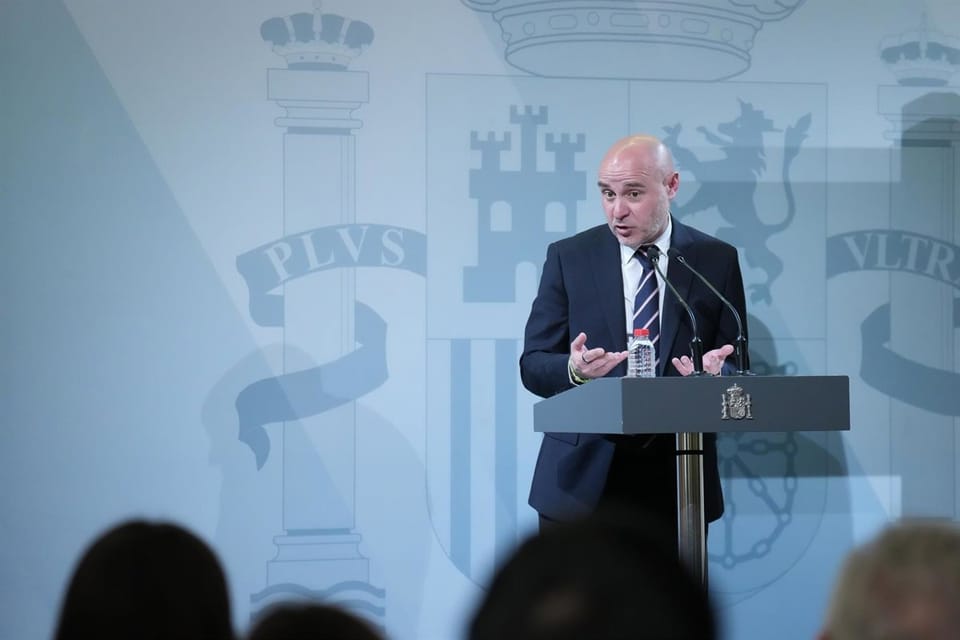
Pope Leo XIV's visit to Barcelona in June will trigger a reinforced anti-terrorist alert, Carlos Prieto, the Government Delegate in Catalonia, announced. This heightened security measure will accompany the Pontiff's multi-day visit across Spain, ensuring public safety for residents and tourists in the city.
Mr Prieto confirmed the current anti-terrorist alert level is 4, the highest before level 5. He stated, "Now we are at level 4, which is the maximum before 5." He added, "Sometimes, there is a reinforced level 4 alert, as it will be, evidently, during the visit of the Pope." Security preparations extend beyond terrorism, covering the Pope's overall safety during his complex agenda with many venues throughout his time in Spain.
Authorities have been working on the extensive security operation for an extended period, reflecting the significance of the papal visit. Mr Prieto holds weekly videoconferences with several key ministries, including Presidency, Interior, Foreign Affairs, and the State Secretariat for Communication. A dedicated technical commission also supports this effort. An institutional commission, chaired by Salvador Illa, awaits convocation to oversee the comprehensive arrangements. This multi-agency approach aims to guarantee the Pope's security fully.
Rodalies Rail Network Investment
Mr Prieto also addressed persistent concerns about the Rodalies rail network, a critical transport system for Barcelona's metropolitan area and Catalonia. He denied any government neglect regarding its recent failures. He attributed past issues to the Popular Party (PP), stating they invested "not a single euro" in Catalonia's railway network over eight years. The current government, however, is investing a substantial €8 billion to modernise the system. This significant investment aims to improve daily commutes for hundreds of thousands of residents. He acknowledged that immediate improvements are not possible, but significant progress is underway to update the ageing infrastructure.
He defended the Minister of Transport, Óscar Puente, noting that a ministry involves more than just one minister. Mr Puente has remained fully informed and in constant communication with the President of the Generalitat and the Territory Minister, Sílvia Paneque. Mr Prieto stressed, "It is not a time to look for culprits, it is a time to look for solutions." This stance highlights the government's focus on practical outcomes for the transport network.
Public Works and Tax Collection Discussions
Additionally, Mr Prieto recognised that a new investment consortium could help increase the liquidation of public works across Catalonia. Congress will vote on this consortium this week. The government agrees that the executive closest to the public should decide on public works development. This body could also accelerate project execution when necessary, potentially speeding up vital infrastructure projects for the region.
Regarding Catalonia's collection of Personal Income Tax (IRPF), Mr Prieto confirmed ongoing discussions. This is a key point in the agreement between the Socialist Party of Catalonia (PSC) and Republican Left of Catalonia (ERC). He stated that the Government and Generalitat are talking about this issue. He added, "There must be time for them to reach a satisfactory agreement for all parties." This negotiation holds significant financial implications for Catalonia's regional budget.
These ongoing discussions highlight the complex relationship between the central government and Catalonia, touching upon security, infrastructure, and financial autonomy. Residents await further details on the Pope's visit security. They also anticipate updates on critical infrastructure and financial agreements. These shape daily life in Barcelona and beyond.
Come and join our Barcelona English Speakers community on WhatsApp.
Originally published by Europa Press Barcelona. Read original article.