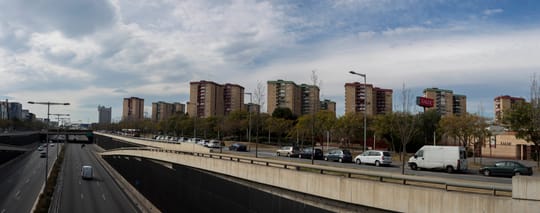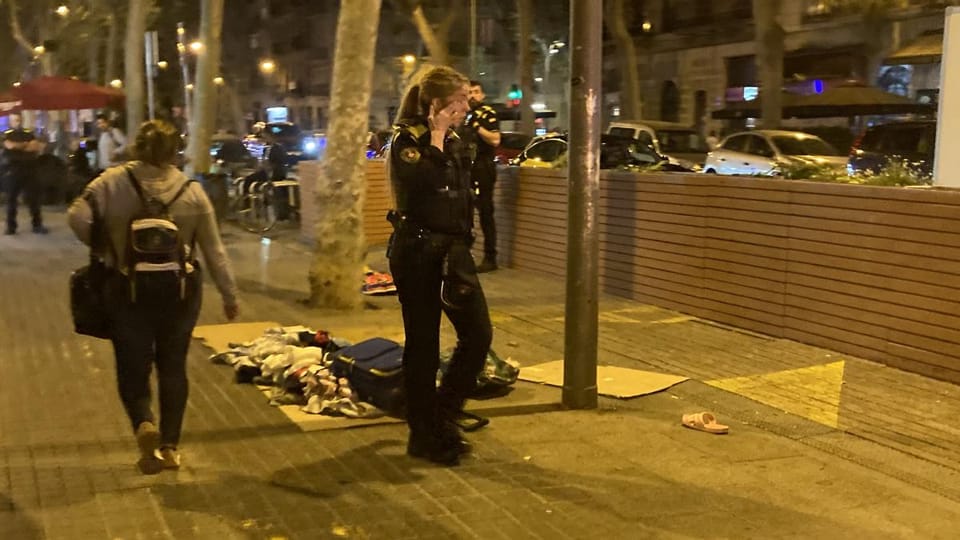
Barcelona's Sant Antoni district faces escalating challenges from its persistent "misery market", where street vendors quickly set up and dismantle stalls selling discarded items. Guardia Urbana officers frequently patrol Ronda Sant Pau near Escola Pia around 21:00, prompting many vendors to swiftly pack up and disappear into the Raval streets. However, police often catch others unprepared, forcing them to abandon items like analogue phone chargers, shoes, and prescription glasses. Officers then pile these goods for rubbish collection, only for vendors to reappear moments later on Cera Street, hastily re-establishing their makeshift stalls.
Growing Concerns in Sant Antoni
This cycle highlights a deeper problem beyond mere public order, according to local associations. Sant Antoni has become a refuge for many people in severe need. Several neighbourhood groups express disappointment that a municipal "shock plan", announced last summer to address the increase in rough sleepers and those seeking alms, has not yielded expected results. The "misery market" has moved between Ronda de Sant Antoni, Plaza del Dubte, and other Raval thoroughfares. It consistently involves individuals often living in shantytowns or tents, who scavenge for discarded items on collection days or from bins, and take unwanted belongings from emptied flats.
Merchants Report Deteriorating Conditions
"It got out of hand," stated the Som Sant Antoni merchants' association. "Many businesses on Ronda Sant Pau can no longer cope. People do not want to walk here anymore." The association has requested a 24-hour Guardia Urbana patrol, similar to previous arrangements on Ronda de Sant Antoni. They report a significant increase in vendor numbers, sometimes counting up to a hundred. Recently, one vendor even offered butane gas canisters. Fights among vendors are also becoming more common, and some individuals now control parts of the market. A few vendors arrive with their goods in a white van, suggesting organised activity.
Impact on Residents and Public Space
Of late, more people living on Montjuïc or sleeping rough in the neighbourhood come daily to beg. Some individuals, like a young man near a bakery on Manso Street or a transgender woman by supermarket doors, have become familiar figures. However, others, such as a man living in a Paral·lel car park, show signs of severe distress. These situations cause considerable neighbourhood anxiety. Residents frequently find mattresses hidden in public spaces, and many individuals use bins for sanitation. The presence of these vulnerable people, particularly women, raises safety concerns for those living alone on the streets.
Seeking New Solutions for Social Services
The non-governmental organisation De Veí a Veí also laments that the situation for those who have made the neighbourhood their refuge has not improved in recent months. They note that removing benches from the superblock and increasing patrols around the market only dispersed people throughout Sant Antoni. "The usual methods are not enough, and social services lack sufficient resources," a spokesperson for De Veí a Veí explained. "However, this week the Ajuntament is showing its willingness to work jointly with us. Perhaps things can change." This potential collaboration offers a glimmer of hope for a more effective, integrated approach to the complex social challenges facing the district.
Sign up for our new entrepreneurs community Bizcelona, now accepting our second wave of applicants.
Originally published by La Vanguardia Barcelona. Read original article.