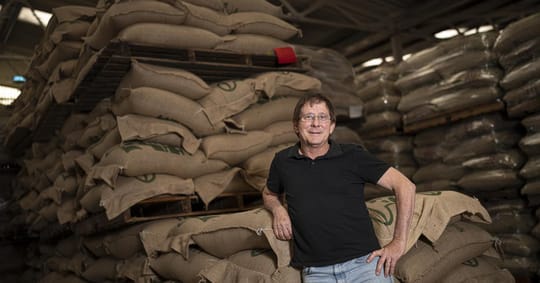
Ricard Conesa, a historian from the University of Barcelona, has published a new book exploring Barcelona's complex relationship with its historical memory. The work, titled "The City That Remembers. Memories of War and Dictatorship in Barcelona's Public Space," examines how the city confronts its past.
Conesa, a Doctor of History and a technician at the European Observatory of Memories of the UB Solidarity Foundation, argues that Barcelona faces many ongoing discussions about its past. He stated, "Barcelona has many open memory debates: Model, Via Laietana, Trinitat..." This book, published by Icaria Editorial and Barcelona City Council, offers a deep look into these critical conversations.
Exploring Barcelona's Past
The book focuses on the Spanish Civil War and the subsequent dictatorship, periods that left a lasting mark on Barcelona's urban landscape. Public spaces across the city, from former prisons to major avenues, remind residents of these turbulent times. For residents, these debates shape how they interact with their surroundings and understand the city's identity.
Barcelona's Model Prison, for example, closed in 2017 after 113 years of operation, now faces proposals for its future use as a public space. Similarly, Via Laietana, a major thoroughfare, has seen calls to remove symbols linked to the Franco regime. The Trinitat neighbourhood also holds significant historical layers related to these periods.
Public Space and Memory
These discussions are not merely academic; they directly affect the city's 1.6 million residents and millions of annual tourists. How Barcelona chooses to remember its history influences its public spaces, monuments, and educational narratives. The book provides a framework for understanding these often-contentious issues.
Shaping Barcelona's Identity
Conesa's research shows public dialogue is important for shaping collective memory. His work contributes to the ongoing effort to reconcile Barcelona's past with its present. The book will likely spark further discussion among historians, policymakers, and the public about the city's historical identity.
Come and join our Barcelona English Speakers community on WhatsApp.
Originally published by El Nacional. Read original article.