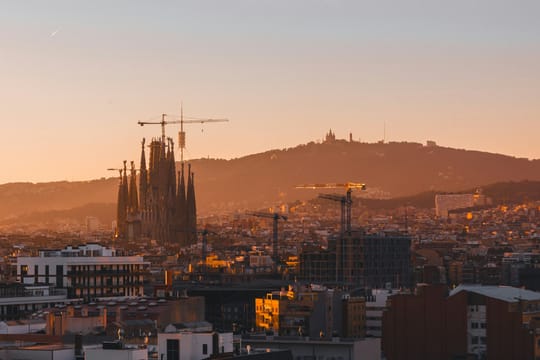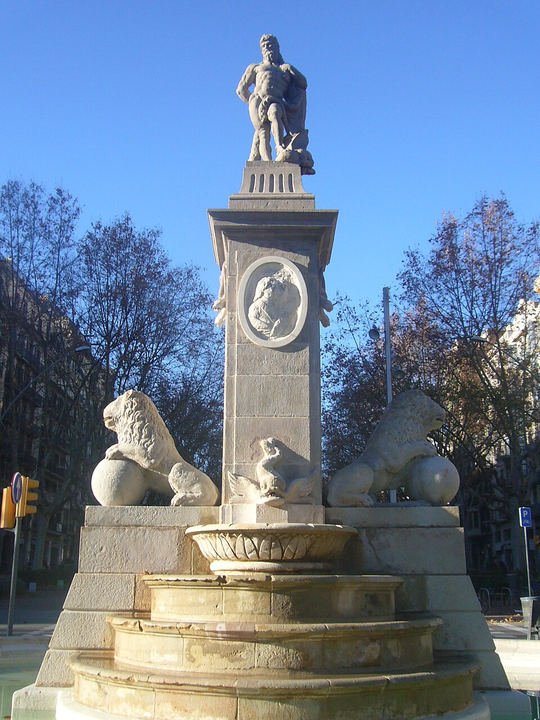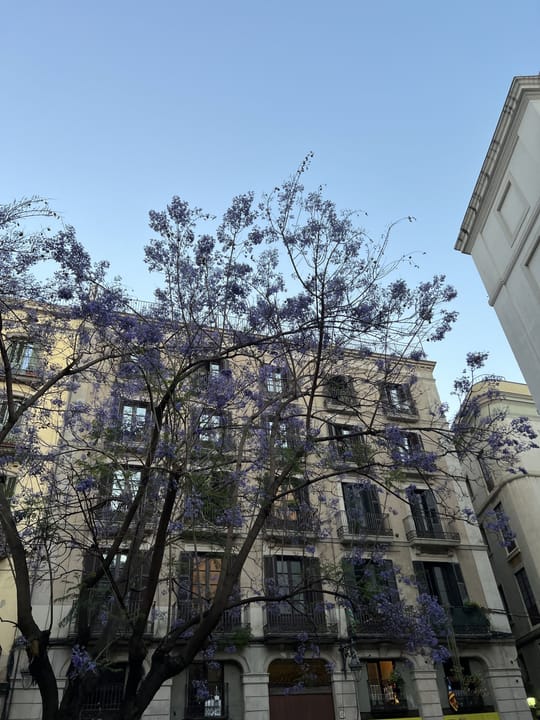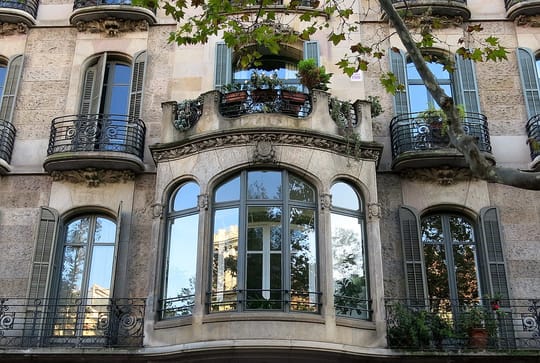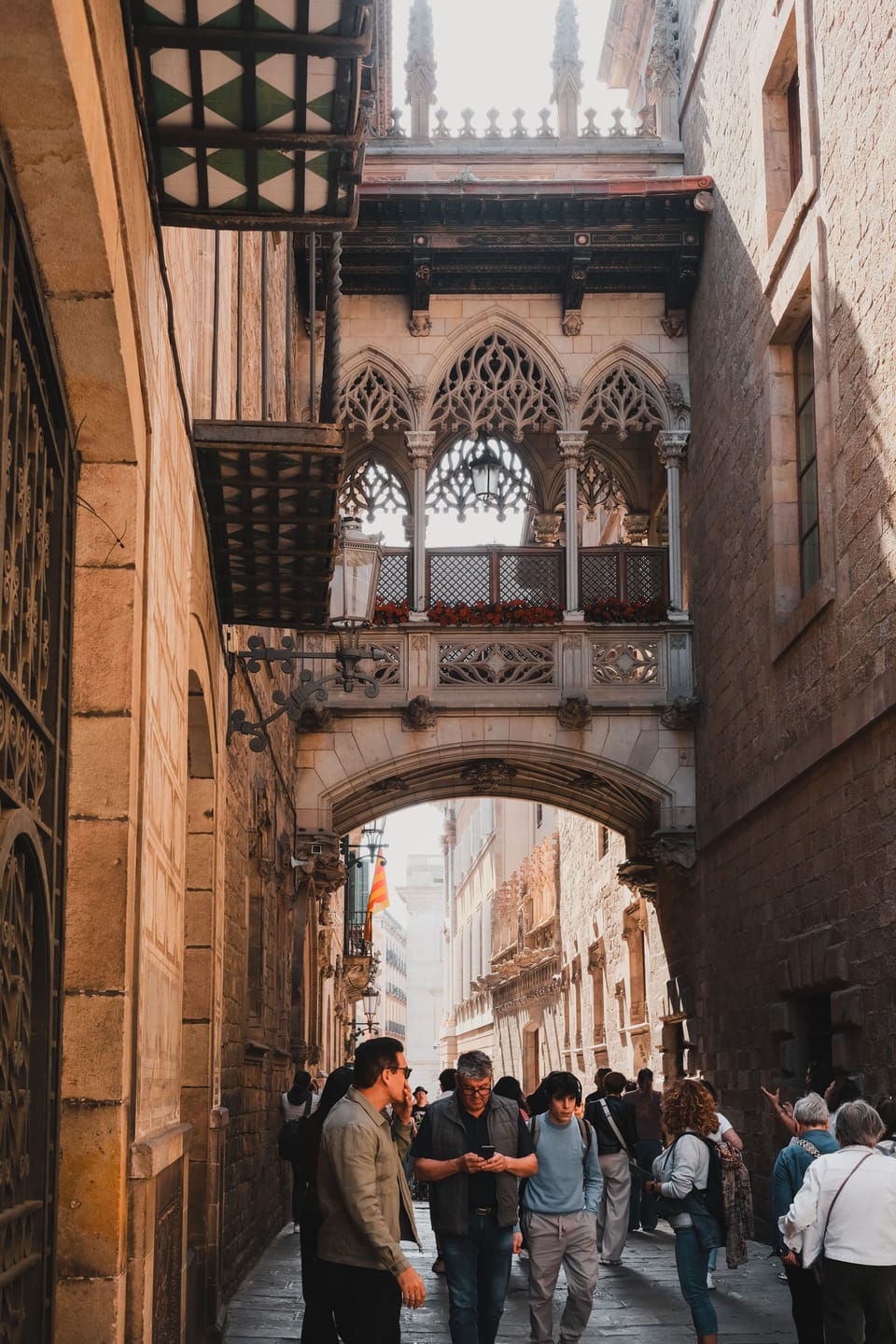
Barcelona's Barri Gòtic, located within the Ciutat Vella district, stands as the city's oldest area. Its origins trace back to the Roman city of Barcino. Romans established Barcino on Mount Tàber in the 1st century BC, concentrating centuries of power and history within its ancient walls.
Visible Roman remnants, such as sections of the ancient city wall and columns from the Temple of Augustus, still mark the district. The precise layout of some streets also preserves the original Roman urban planning. This historic core later developed into the medieval city. It created a dense network of narrow streets, intimate squares, and historic buildings. These define Barcelona's ancient heart today.
The Barri Gòtic itself comprises several distinct historical neighbourhoods, each retaining its unique character. These include El Call, Sant Just i Pastor, Santa Maria del Pi, La Catedral, Santa Anna, La Mercè, and El Palau. Many streets still carry their original medieval names, such as Carrer del Bisbe, or Bishop Street, named after the residence of Barcelona's bishop.
Uncovering Roman and Medieval Foundations
Barcelona's rich legacy extends over 4,000 years, beginning in the late Neolithic period. The city has steadily grown, accumulating layers of history that remain visible in its urban design and preserved heritage. El Periódico Barcelona reported that the Barri Gòtic holds the majority of the city's historically significant buildings and streets. This makes it a focal point for understanding Barcelona's evolution.
A central landmark in the Barri Gòtic is the Catedral de Santa Eulàlia, also known as Barcelona Cathedral. Construction of the current Gothic cathedral occurred between the 13th and 15th centuries. It stands on the site of an earlier Romanesque cathedral, which itself replaced a Visigothic church. This Visigothic church was built over an even older early Christian basilica. Visitors can explore its fascinating remains in the basement of the City History Museum.
The Royal Centre of Power
Plaça del Rei, or King's Square, served as a vital hub in medieval Barcelona. Markets and even grand tournaments took place in this historic square, drawing crowds from across the city. The impressive Palau Reial Major, or Royal Major Palace, presides over the square, dominating its eastern side. Built in the 9th century, the palace was the undisputed centre of power for the medieval city.
Catalan counts lived in the Palau Reial Major from the 13th century until the early 15th century, using it as their primary residence. Its most iconic room is the Saló del Tinell. This hall features a series of impressive semi-circular arches. They demonstrate significant architectural value. This grand hall now functions as a prominent exhibition space, hosting various cultural displays and events.
Broader Historic Context
Beyond the Barri Gòtic, other areas within Ciutat Vella also boast early origins and contribute to the city's ancient fabric. El Born and El Raval, for instance, expanded significantly from the Middle Ages onwards. These districts complete Barcelona's original historic core. They add further depth and complexity to the city's rich past. They show how the city grew outwards from its initial Roman settlement.
Spaces like Plaça Sant Felip Neri, the Cathedral, and Plaça Sant Jaume collectively embody centuries of Barcelona's political, religious, and social history. These sites offer both residents and millions of tourists a tangible connection to the city's deep and layered roots. They serve as open-air museums, telling stories of past eras.
Barcelona continues to attract millions of tourists annually, drawn by its unique blend of tradition and modernity. El Periódico Barcelona reported that the Catalan capital consolidated its position as the world's favourite tourist destination in 2025. The city's cultural and urban offerings are difficult to match, making its ancient heart a critical part of its global appeal and enduring charm.
Sign up for our new entrepreneurs community Bizcelona, now accepting our second wave of applicants.
Originally published by El Periódico Barcelona. Read original article.