On 24 August 2026, Jordi Cruz, spokesperson for the environmental group SOS Costa Brava, said between 25,000 and 30,000 developments remained planned along the Catalan coast during an interview on Herrera en COPE Catalunya.
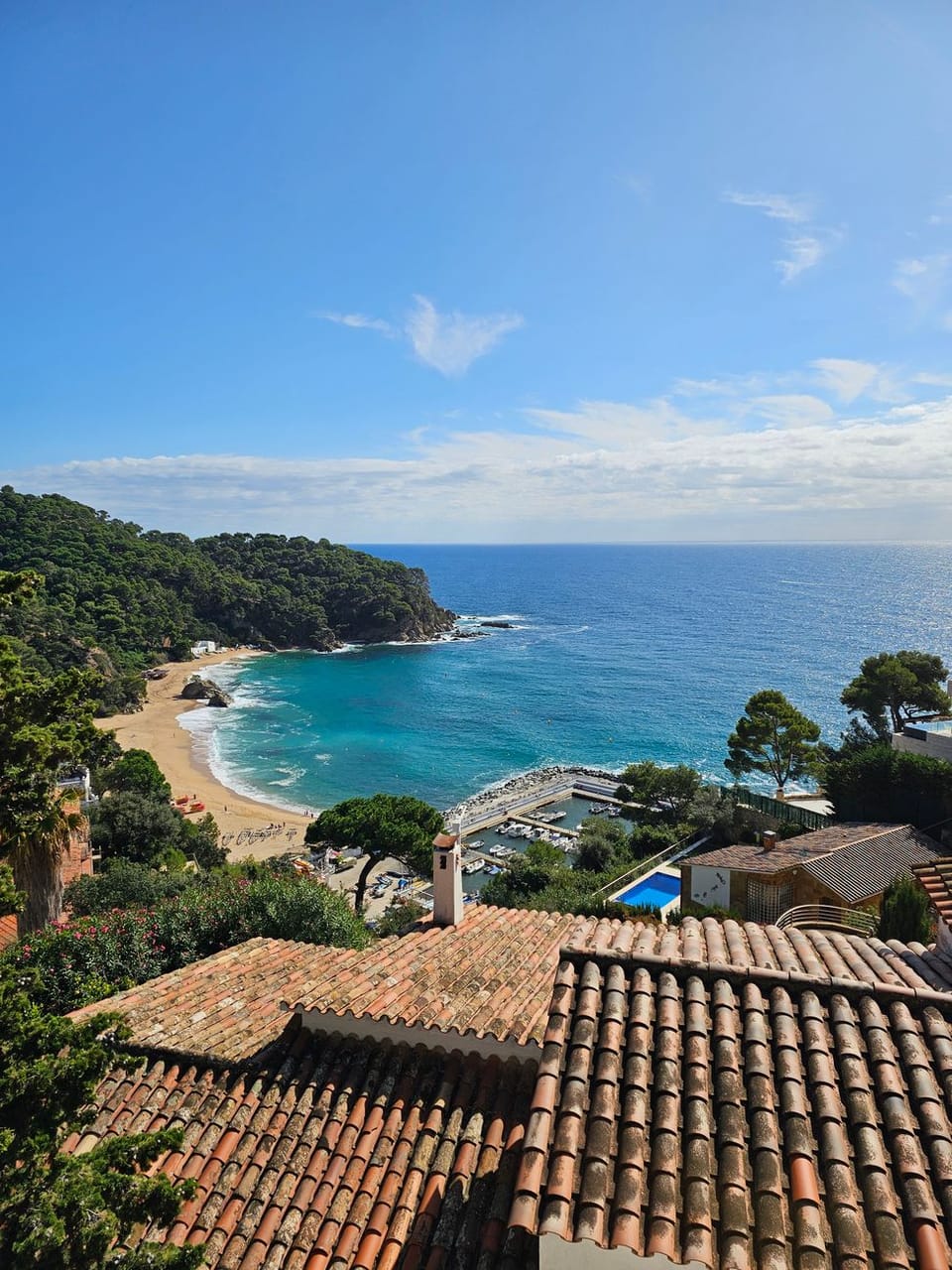
For Costa Brava residents, the warning concerns building planned in coastal stretches and wooded hillsides, which Cruz said was largely intended for tourism and second homes rather than permanent housing for local people.
Thousands of developments still planned
Cruz said a master planning measure had removed planning permission for about 1,000 buildings, but argued that the remaining potential for construction was still excessive.
“Between 25,000 and 30,000 developments are still planned along the whole coast.”
He said local plans continued to permit dozens of homes in mountain areas and environmentally sensitive coastal locations. According to SOS Costa Brava, this fragments land habitat and damages the Mediterranean landscape and the environmental services it provides.
- About 1,000 planned buildings have been declassified under the master planning measure, Cruz said.
- Between 25,000 and 30,000 developments are still planned across the Catalan coast, according to his estimate.
- SOS Costa Brava says many proposed schemes are tourist developments or second homes rather than main residences.
Call for enforcement at marine protected areas
Cruz also raised concerns about protection for marine ecosystems, including brown algae forests and posidonia, a Mediterranean seagrass that provides habitat on the seabed. He said weakened ecosystems were less able to withstand rising water temperatures and could be more vulnerable to invasive species.
He cited Asian algae in parts of Málaga, Aragón and Barcelona, as well as rabbitfish and Portuguese man-of-war reported in southern European waters.
The spokesperson alleged that protected areas lacked adequate funding and management, referring to the PEIN de las Gavarres protected-area plan. He also said the royal decree intended to protect posidonia was not being consistently enforced.
Cruz said Cap de Creus Natural Park and the Gulf of Roses needed sufficient maritime patrols to prevent recreational boats from damaging underwater vegetation at mapped anchorage sites.
“Paper holds up to anything, but then reality is very different.”
SOS Costa Brava called on public authorities to create marine reserves and introduce effective controls in coastal protected areas, including Cap de Creus and the Gulf of Roses.
Reported by cope.es.