Most relocators arrive thinking they will pick one healthcare system. Six months later they are using both. CatSalut handles the serious stuff and the prescriptions; a private mútua handles the routine GP visits where the public waiting list would be longer than the cold itself. Here is how to decide what you actually need.
The hybrid most expats end up on
If you have a NIE, padrón and a CAP registration, public access is free at point of use. A private mútua on top runs roughly €40 to €80 per person per month, depending on age, postcode, and whether you add dental and mental health to the policy. Pay-per-visit private GPs are about €60 to €130 per consultation.
The decision turns on three questions: how often you want to see a GP, how comfortable you are in Spanish or Catalan with a clinician, and whether your visa lets you choose between the two systems.
When CatSalut wins
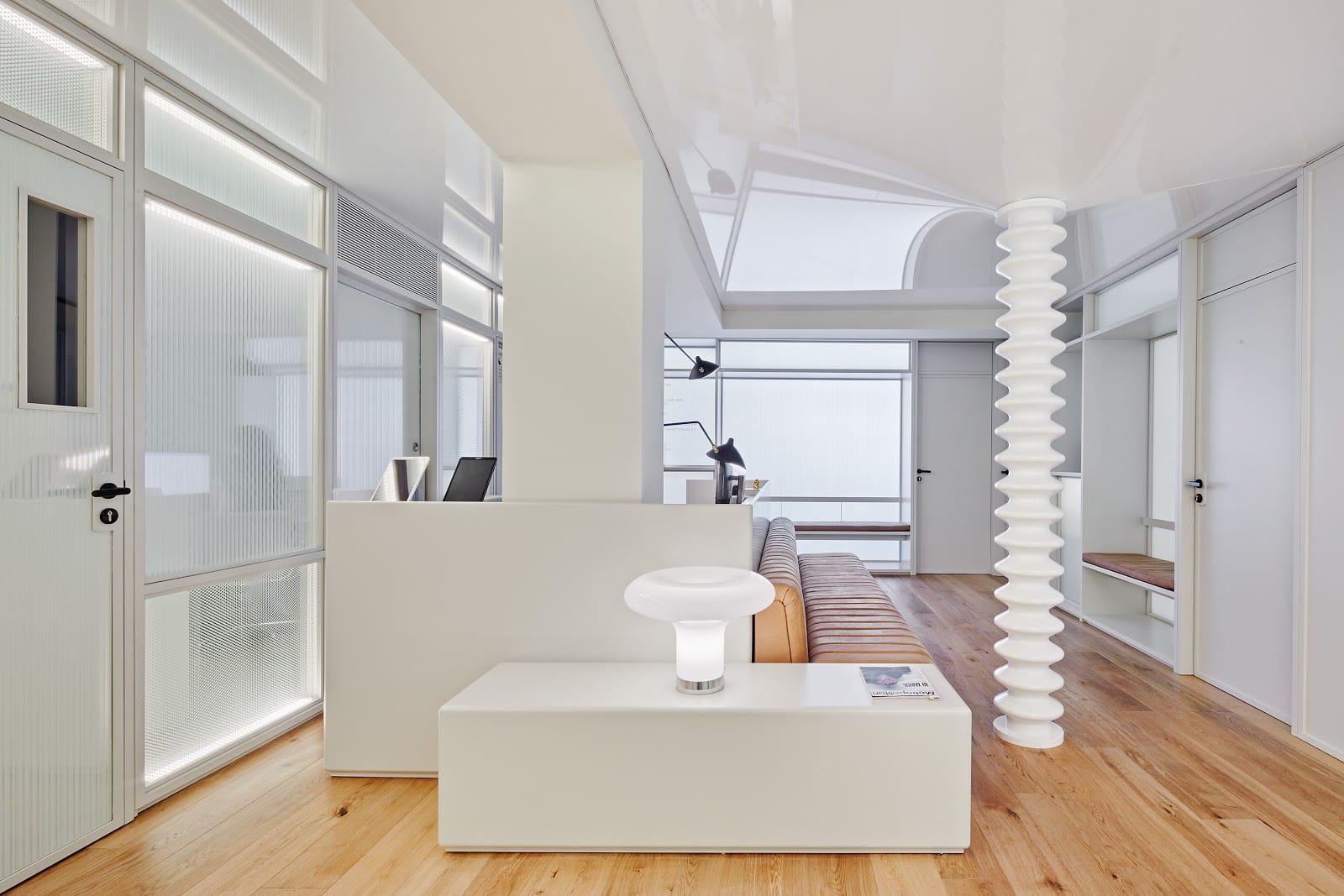
The public system is excellent at exactly the things you most want it to be excellent at.
Severe accidents, complex surgery, A&E care, oncology, maternity, paediatrics, cardiology: the big public hospitals (Clínic, Sant Pau, Vall d'Hebron, del Mar) are among the best-rated in Spain. If something serious happens, this is where you want to be. Ambulances are dispatched by 112 or 061 to public hospitals by default, and that is, in almost every case, the right outcome.
Prescriptions also live in the public system. CatSalut subsidises medication on a sliding scale by income (the copago), and the e-prescription pulled up at any pharmacy with your TSI is the cheapest way to get most drugs. That scale was rebuilt by Real Decreto-ley 11/2026, in force since 14 May 2026. A working-age patient earning under €18,000 now pays 40 per cent of the price, rising to 45 per cent from €18,000, 50 per cent from €60,000 and 60 per cent at €100,000 and above. Pensioners pay 10 per cent. Monthly caps run from €8.23 to €61.75 and apply to pensioners at every income level, and to working-age patients earning under €35,000, but not to working-age patients above that.
What CatSalut struggles with is routine specialist access. Waiting lists for dermatology, ophthalmology, gynaecology and orthopaedics regularly run to several months in Barcelona for non-urgent referrals. If your knee hurts and it is not an emergency, you might wait until autumn for a public traumatologist appointment. For mental health, the public CAP-referred therapy route exists but is similarly backed up; one-off psychiatric consultations are faster than ongoing therapy.
When private wins

Private cover buys two things: speed and language access.
With a Sanitas, Adeslas, DKV or Asisa policy and the cuadro médico in your hand, you ring up and book a specialist directly. No GP referral required. No triage queue. Most appointments land within the same week.
English-speaking professionals are easier to find inside the private network. Turó Park Medical Clinic, Centro Médico Teknon, Clínica Diagonal and the British Dental Clinic all advertise English-speaking staff and accept the major mútuas. The receptionists answer in English. The discharge notes are usually in Spanish or Catalan but most clinics will write English summaries on request.
Private hospitals tend to feel more attentive for minor problems: single rooms, short waits, polite explanations, parking. For genuinely serious cases the calculation flips: private hospitals often transfer complex cases to public centres because that is where the deep specialist teams and the trauma units sit.
The visa-class shortcut
If you are on a student visa or a non-lucrative residence visa, Spanish immigration law typically requires you to hold a private health insurance policy that meets specific cover criteria.
The policy needs to be from an insurer authorised to operate in Spain, with no copays, no deductibles and no waiting periods, and those conditions have to hold for the whole duration of cover, not just the first year. It also needs full medical equivalence to the public system. Sanitas, Adeslas, DKV and Asisa all sell visa-compliant variants; ask for one explicitly when you quote, and check your own consulate's requirement sheet, because the wording varies between them. Send the certificate of an active policy rather than a proposal. It takes a few working days to issue once you have paid the first premium.
Once you are on a renewable residence card with the right to public healthcare (work permit, family reunification, long-term residence, EU citizenship), CatSalut access opens up. You can then either keep the private policy as a top-up or drop it. Most people who can afford to keep both do, because the combination gives the broadest cover and the fastest specialist access.
A quick decision tree
Start at the top.
Is it an emergency? Call 112 or 061. Go to the nearest public urgencias. Do not think about insurance until afterwards; the public hospitals treat anyone regardless of paperwork.
Is it a routine GP visit and you do not mind a few days' wait? CAP via lameva salut. Free.
Is it a specialist you would wait months for publicly? Use the private mútua, or pay out of pocket if you do not have one.
Is it dentistry or therapy? Almost certainly private. Public dental cover is limited beyond emergency extractions and under-15 check-ups. Mental health has public access via CAP referral but the waits are long.
Is it a prescription refill? CatSalut, every time. The copago discount is significant on chronic medications and the e-prescription system is the cleanest in Europe.
A note on costs and value
The public system costs you nothing at point of use once you are CatSalut-registered (your tax contributions fund it through general taxation and seguridad social cuotas). The private mútua costs €40 to €80 per person per month. The pay-per-visit option costs €60 to €130 per consultation.
For most expats in their 30s and 40s, the maths works like this. Public alone: free, with the friction of waiting times for specialists. Public plus mútua: €500 to €1,000 per person per year for unlimited fast specialist access on top of everything the public system provides. Mútua alone (visa-required): same premium, fewer pharmacy benefits.
Most people who can afford the €60 a month settle into the hybrid model and stay there. The public system as the foundation, the private mútua as the convenience layer, the pharmacy on CatSalut for medicines.
What most people miss
You do not have to pick. Holding both is normal here, and switching emphasis as your life changes (kids, chronic condition, ageing parents visiting) is normal too.
The mistake people regret is letting CatSalut registration lapse "because they have private anyway". When something serious happens, the public hospital is still where you will be treated, and the CatSalut file system is what links your prescriptions, vaccinations and medical history together across decades. The TSI card is the cheapest insurance policy you will ever hold.
Pick the public system as your foundation, then layer private on top where it actually buys you something. That is the boring, durable answer that experienced expats land on after the first year of trying to choose one over the other.
Community experience, not medical advice. For anything urgent or unclear, call 061 or 112, or contact your GP.
Are you a Barcelona resident?
Working out which doctor, mútua or clinic actually speaks English is exactly the kind of question that gets answered fastest by people who have already sorted it. Our Barcelona English Speakers community has 4,000+ residents across 20+ free, moderated WhatsApp groups swapping real recommendations on healthcare, neighbourhoods and daily life. Come and join us.