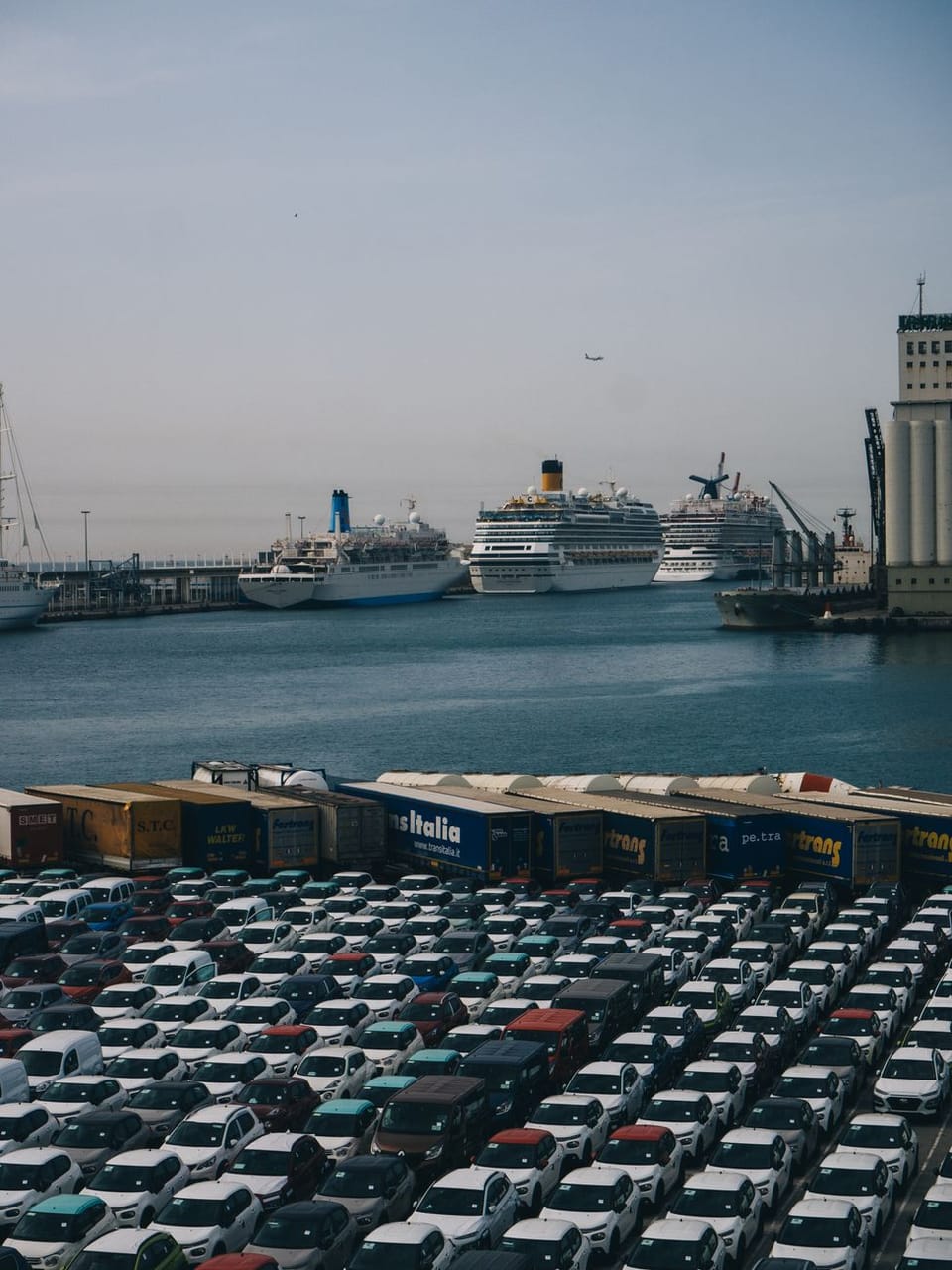
The Port of Barcelona recorded a substantial 77.7% increase in electrified vehicle traffic during the first five months of the year. These vehicles now account for 17.6% of all automobiles passing through the facility.
Overall, the port handled 314,711 vehicles up to May, a 4.6% rise compared to the same period last year. Vehicle imports grew by nearly 30%, while exports remained stable. This surge in vehicle traffic reflects a broader expansion in port activity.
The Port of Barcelona, one of Europe's largest ports, plays a critical role in Catalonia's economy. It serves as a major gateway for trade and tourism in the western Mediterranean.
Broader Port Activity Surges
The port processed over 30 million tonnes of goods, marking a 4.4% increase. Container traffic, measured in Twenty-foot Equivalent Units (TEUs), also grew by 4.3% to 1.61 million units. Increased imports drove this growth, particularly from Southeast Asia, which saw a 14.6% rise. However, export containers experienced an 11% decline.
Bulk liquid traffic reached 7.2 million tonnes by May, an 8.2% increase from the previous year. Biocomponents and chemical products led this growth, rising by 56% and 52% respectively. Bulk solids also showed positive development, increasing by 8.3%. Potash exports rose by 28.8%, and soybean traffic increased by 27.7%.
Roll-on/roll-off (ro-ro) traffic, which involves wheeled cargo, saw a 2.1% increase. The port moved 181,905 intermodal transport units.
Trade Links and Passenger Growth
Trade with Morocco increased by 43%, and with Algeria by 48%. Short-sea maritime traffic with Italy also grew by 7.2%. Passenger movements through the port reached 1,793,353 between January and May, a 4.4% increase.
Ferry passengers accounted for 488,181 movements, up 3.3%. Additionally, 784,762 cruise passengers visited Barcelona during this five-month period, also a 3.3% rise.
The port's strategic location and modern infrastructure attract significant maritime traffic. This includes both cargo and passenger services, connecting Barcelona to global markets. The increase in electrified vehicle movements aligns with wider efforts to promote greener transport solutions. Barcelona city aims to reduce its carbon footprint. This trend supports the city's broader sustainability goals and strengthens its economic position in the Mediterranean.
Sign up for our new entrepreneurs community Bizcelona, now accepting our second wave of applicants.
Originally published by betevé. Read original article.