AP-7 Tolls Under Review Amid Safety and Traffic Crisis
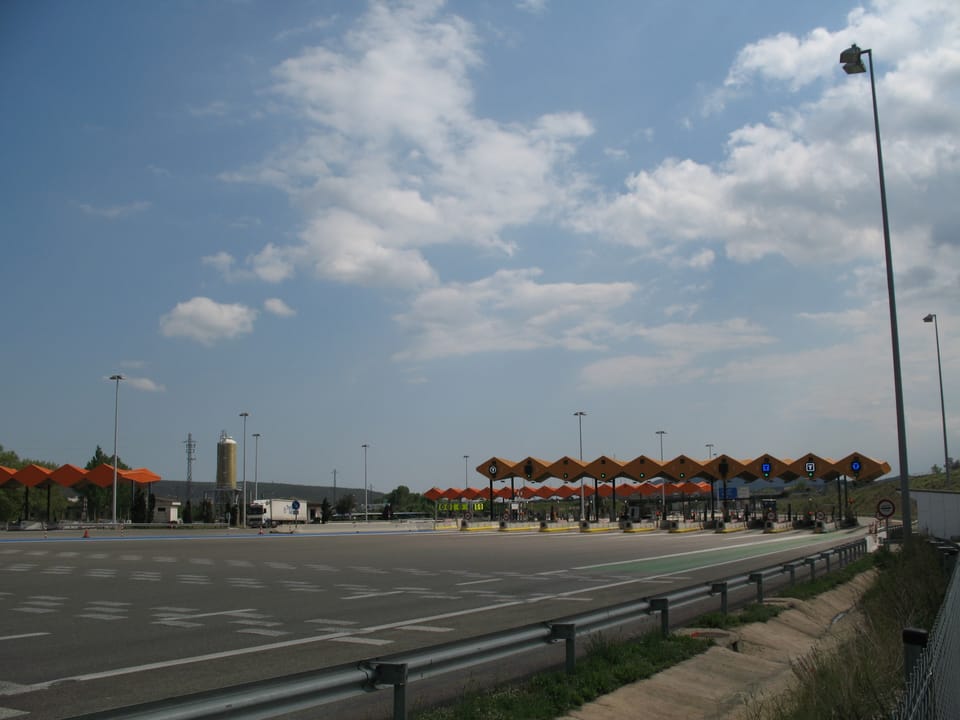
The Catalan government is actively reconsidering the reintroduction of tolls on the AP-7 motorway, one of the region’s busiest transport corridors, as traffic volumes and accident rates surge following the removal of tolls in 2021. Interior Minister Núria Parlon confirmed that a new working group will be established this autumn to evaluate potential solutions, including the politically sensitive option of restoring tolls. The AP-7, which runs 344 kilometres through Catalonia, saw its tolls abolished on 1 September 2021 as part of a broader policy to remove charges on motorways including the AP-2, C-33 and C-32 Nord. While the overall Catalan road network has seen a 17.3% reduction in traffic victims, from 12,973 to 10,733, since the change, the AP-7 has experienced a sharp deterioration in safety. According to analysis by the Servei Català de Trànsit (SCT), fatalities on the AP-7 have doubled from 12 to 25, and serious injuries have increased from 37 to 66 in the same period.
Traffic Surge and AI-Led Safety Measures
Mobility on the AP-7 has risen by an average of 26%, with heavy goods vehicle traffic up by 36%, the SCT reported in a 2023-2025 intervention plan. The increase has led to longer and more frequent traffic jams, particularly between Maçanet de la Selva and El Vendrell. To address the crisis, the SCT is rolling out a €14.3 million action plan featuring over 20 measures. Among the key initiatives is an artificial intelligence-powered variable speed system being deployed across 150 kilometres of the AP-7. The system dynamically adjusts speed limits based on real-time traffic density and is designed to predict congestion and reduce collision risks. This technology is already in its final implementation phase on the C-58, with the aim of smoothing traffic flow from the AP-7 into Barcelona.
The objective is to mitigate the effects of the toll removal and improve road safety on one of the country's main arteries.
A new mobile app is also in development to deliver real-time voice alerts to drivers about accidents and jams, as well as suggest alternative routes. It is expected to launch this autumn. Additional measures include six new radar units (bringing the total to ten), reinforced roadside inspections of heavy vehicles, and bans on truck overtaking in high-risk zones.
Focus on High-Risk Zones
In the Terres de l’Ebre region, where the AP-7 narrows to two lanes and accident rates are disproportionately high, variable speed signage is being installed. The area accounts for 34% of the AP-7’s length but 71% of incidents and breakdowns. The government has also noted a rise in fatal accidents involving heavy vehicles, doubling from 7 to 14, and an increase in vulnerable road user deaths, including six motorcyclists and seven pedestrians. President Salvador Illa has called for a “collective reflection” on the decision to scrap tolls, suggesting the region may have acted prematurely. He made the remarks in the Catalan Parliament on 1 July, prompting renewed debate over the long-term impact of free motorway access. Despite these interventions, Parlon acknowledged that current measures will not fully resolve the AP-7’s structural challenges. A planned expansion to three lanes in the southern section remains pending approval and will take years to complete. As the working group prepares to convene, residents and logistics operators are closely watching for any indication of a return to tolling on the vital corridor.
For more information on the AP-7 intervention plan, visit the official government announcement.
Primary sources: govern.cat, record.bibliotecadigital.gencat.cat. Reported by russpain.com, Miriam Saint-Germain, Natàlia Vila, Redacció, Dani Cordero, Clara Blanchar, El País, Cesc Maideu, Marta Lasalas, Nico Tomás / ACN, Yolanda Bernal, David Expósito J, 3CatInfo.