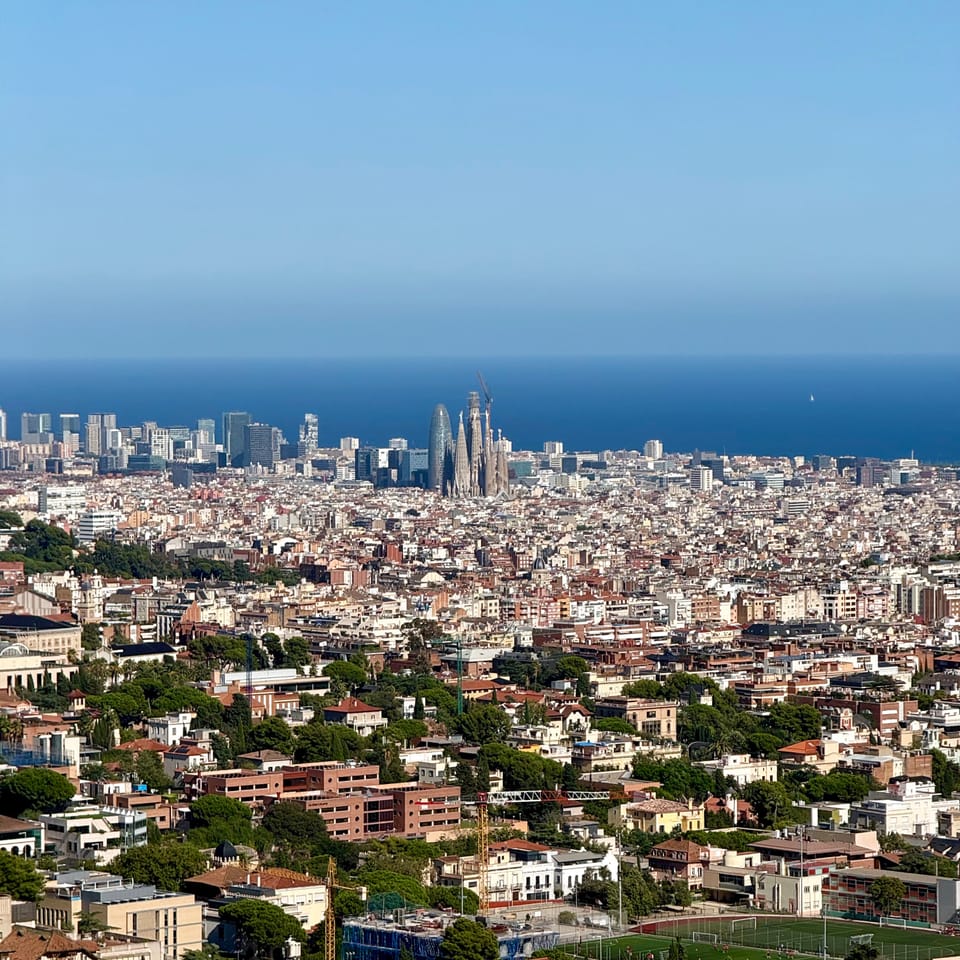
A recent high-profile drone show at the Sagrada Família has sparked renewed optimism for Barcelona's international standing and economic future. This spectacular event, which saw a Gaudí-like figure composed of drones observe the illuminated basilica, generated widespread admiration globally. However, this increased global attention also raises concerns about potential pressures from rising tourist numbers on the city's 1.6 million residents.
Journalist and writer Pedro Bravo highlighted this tension in an interview with Metrópoli. He stated that cities are designed for living, not for competing like businesses. Bravo also recounted a discussion among urbanists. After witnessing the Sagrada Família spectacle, these experts worried about the future for Barcelona residents. They feared the city's growing appeal.
"The city's seduction is so great that more tourists will arrive, and the pressure will be greater," Bravo quoted from the urbanist chat. This sentiment underscores a critical challenge for Barcelona. Public administration, alongside the private sector committed to sustainability, must implement necessary measures. These measures should regulate tourism effectively. They must ensure compatibility between residents' rights, affordable housing prices, and quality services for visitors.
Barcelona's Diverse Economic Strengths
Crucially, the economy of Barcelona and its entire metropolitan area does not rely solely on tourism. The region hosts many significant technological, research, and biotechnology centres. For example, the Barcelona Science Park and the 22@ district are home to numerous innovative firms. Additionally, many companies focus on the health economy, including pharmaceutical and medical technology businesses.
These diverse sectors attract substantial international investment. This investment comes largely due to Barcelona's high quality of life. This quality of life is a key draw for professionals and entrepreneurs alike. The city's vibrant culture, Mediterranean climate, and excellent infrastructure contribute to its appeal.
Many of these growing companies actively seek skilled talent. They often recruit professionals from outside the region to fill specialised roles. However, they also aim to cultivate and use local expertise. Barcelona residents, particularly those in districts like the Eixample, home to 260,000 people, should maintain a critical perspective on major city events. Yet, they should also recognise the new professional opportunities emerging within these growing, high-value sectors.
Opportunities for Local Talent
High-value jobs in technology, for instance, often require specific, advanced skills. Many local profiles currently cannot fill these particular roles. This presents a clear opportunity for residents to prepare for such positions. Investing in education and training can help bridge this skills gap.
Securing a well-paid job in one's home city or the metropolitan area offers significant advantages. It allows individuals to build strong careers without needing to relocate. This contributes to local economic stability and personal well-being. Barcelona provides these opportunities today, largely because of its international reputation as a hub for innovation.
While a substantial economy serves the service sector, a strong demand exists for many professionals in other fields. The city's economic strength extends beyond hospitality. The positive boost from the Sagrada Família event should motivate further development and strategic planning. This includes continued investment in education and training for local talent.
Looking Ahead for Barcelona
Barcelona continues to shine on the global stage. City leaders must balance its appeal as a premier tourist destination with its growth as a hub for innovation and high-value employment. This ensures a sustainable and prosperous future for all its inhabitants. It also helps maintain the city's unique character and quality of life for everyone.
Come and join our Barcelona English Speakers community on WhatsApp.
Originally published by Metrópoli Abierta - Urban Life. Read original article.