Minimally invasive breakthrough for rare paediatric condition
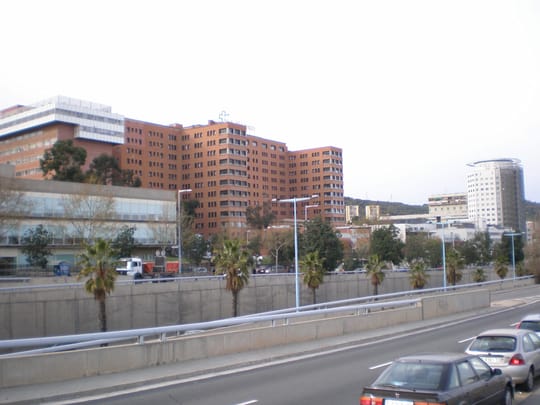
Vall d'Hebron University Hospital in Barcelona has successfully treated a dozen children with portal hypertension using interventional radiology, a less invasive alternative to major surgery. Since 2018, the hospital has performed 24 such procedures, with around half achieving full success, according to Dr Daniel Barnés Navarro of the hospital's Interventional Radiology Service. Portal hypertension, a rare condition in children, occurs when blood flow through the portal vein, which carries blood from the intestines and spleen to the liver, is obstructed. This can lead to enlarged spleens, low platelet counts, and life-threatening variceal bleeding. In adults, cirrhosis is the usual cause, often requiring liver transplant. In children, however, the condition is commonly linked to prematurity, umbilical vein catheterisation, or neonatal clotting disorders, though in many cases the origin remains unknown.
Less risk, faster recovery than surgery
Traditionally, treatment involved complex surgery known as a mesoportal shunt or 'Rex shunt' to restore blood flow to the liver. This procedure carries a high risk of bleeding, requires intensive care, and involves at least a week in hospital. In contrast, the interventional radiology technique requires only two tiny punctures, one in the liver and one in the spleen, through which micro-catheters and guidewires are used to reopen the blocked vein. A balloon is inflated to widen the passage, and a stent is placed to maintain blood flow. The procedure, carried out under general anaesthesia, allows patients to return home within 24 hours with minimal discomfort.
"This technique is much less invasive,"
said Dr Barnés Navarro.
Pioneering role and future collaboration
Vall d'Hebron was the first hospital in Spain and one of the first globally to apply this technique in children. It remains one of only three or four centres worldwide capable of performing it, due to the high level of skill required. Even when the procedure does not fully succeed, it provides detailed vascular mapping that helps surgeons plan more effective follow-up operations. The hospital is now working with other Spanish centres to expand access to the technique. The Gastroenterology, Hepatology, Nutritional Support and Paediatric Hepatic Transplant Unit at Vall d'Hebron is designated a CSUR (Complex Paediatric Liver Diseases Reference Centre) by Spain's National Health System, reflecting its national and international leadership. Twelve-year-old María José from the Basque Country, one of the patients treated, recalled vomiting blood clots the size of her hand before being referred to the hospital. Her father, Alexander Correa, said her recovery was fast and she now leads a normal life.
"The umbilical vein is a rapid vascular access in young children, and its catheterisation is a tool that is sometimes used, especially in premature babies with certain problems, but it can cause injury to the portal vein, which often does not show symptoms until adolescence,"
explained Dr Jesús Quintero, head of the Paediatric Hepatology and Liver Transplant section. The hospital’s Paediatric Surgery Department, organised into sub-specialities including hepatobiliary surgery, is the reference centre for complex paediatric surgical cases across Catalonia and parts of Spain, as noted on its official page.
Reported by larazon.es, hospital.vallhebron.com, elperiodico.com, vhir.vallhebron.com, La Razón Cataluña.