


Delayed Diagnosis for Debilitating Facial Pain
Neurologist Noemí Morollón, consultant in the Headaches and Neuralgias Unit at Barcelona's Hospital de Sant Pau, has warned of significant delays in diagnosing trigeminal neuralgia, a condition often mistaken for toothache. She told Europa Press that patients can wait up to four years for a correct diagnosis, during which time the pain severely impacts daily life. "Many patients start with jaw and maxillary pain, and think it's a toothache," Morollón explained, speaking on World Trigeminal Neuralgia Day, observed this Wednesday. The condition causes sudden, electric shock-like pain lasting seconds on one side of the face, following the path of the trigeminal nerve across the cheek, jaw, or forehead. "It's like a lightning bolt," she said.
Impact on Daily Life and Mental Health
Patients may experience multiple attacks daily, preventing them from eating, brushing teeth, or even kissing. "The other day, a patient told me that because of the attacks, he couldn't even kiss," Morollón recalled. Incidence estimates place the condition between 0.03% and 0.3% of the population, equating to 14,000 to 141,000 people in Spain and 2,450 to 24,500 in Catalonia, figures close to the threshold for rare disease classification. Due to the disabling nature of the pain, 13–34% of patients experience suicidal ideation and 30–40% develop depressive symptoms, often linked to anticipatory anxiety about when the next attack will occur. "It is clearly secondary to the pain: when we manage to control the pain with treatment, these depressive symptoms disappear," Morollón stated.
Causes and Treatment Pathways
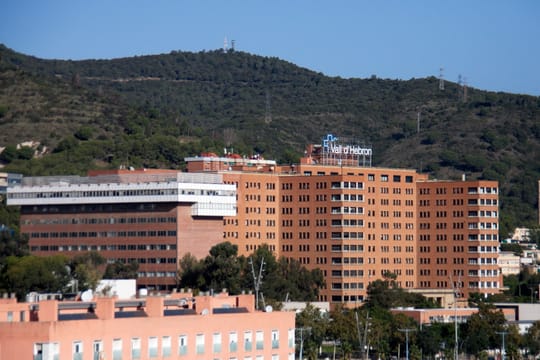
In 75% of cases, trigeminal neuralgia is classic and caused by contact between the nerve and an artery, typically diagnosed around age 50–53. Secondary cases (15%) are associated with tumours, multiple sclerosis, or other lesions, with onset averaging age 43. A further 10% are idiopathic, with no cause identified on MRI. Carbamazepine is the most commonly prescribed oral medication, with a "very good" response rate. For non-responders, alternatives include Botox or lidocaine infiltrations. If three families of medication fail, surgery is recommended. Hospital de Sant Pau specialises in surgical interventions, including microvascular decompression, percutaneous procedures, or brain electrode stimulator implantation in severe cases. Around 30–35% of patients eventually undergo surgery.
People need to know more about trigeminal neuralgia. They need access to a specialist neurologist and effective treatment.
Morollón stressed the importance of awareness and early access to specialists: "The outbreak phase, the peak of pain, is very disabling. There are patients who experience months and months of pain if they don't have access to these measures. If they are like this for months, they can't bear it, they end up being admitted because they can't even eat." Despite low research investment compared to more common conditions like migraines, Morollón remains optimistic: "With the surgical approach, and if research into drugs picks up a bit, things will improve." More information is available via the Headaches and Neuralgias Unit at Hospital de Sant Pau.
Reported by europapress.es, santpau.cat, democrata.es, elsevier.es, diagnosticdetectives.com, Europa Press Barcelona.








_01.jpg)