Rodalies, Catalonia’s commuter rail network, carried 8.31 million passengers in September 2026, down 4.9% from 8.74 million a year earlier, according to a CatalunyaPress report published on Tuesday 17th November.
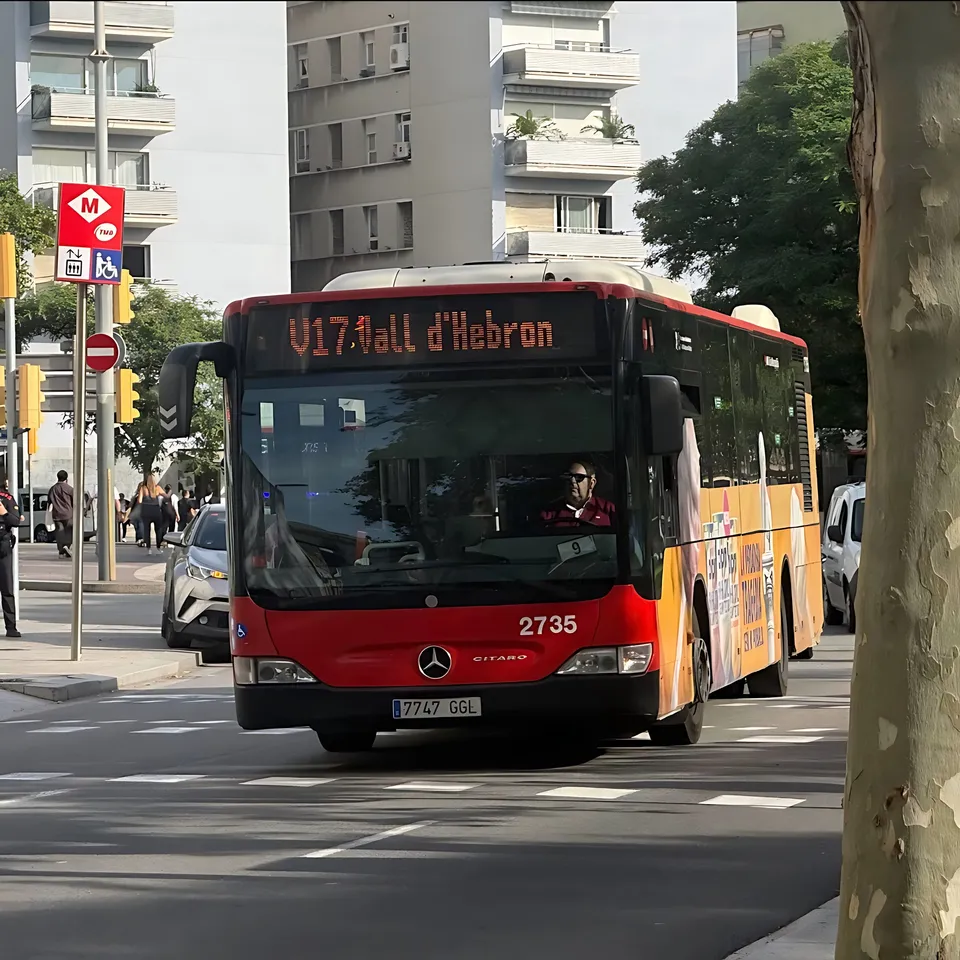
The outlet reports that delays, breakdowns and strikes have pushed some commuters towards buses, the Metro and cars. On the Barcelona to Mataró corridor, express buses have carried 2.5 million passengers a year, with demand up 46% on 2023, it says.
Intercity bus services across Catalonia are expected to carry more than 100 million passengers in 2026 for the first time, according to CatalunyaPress. That is a forecast for the year, not a confirmed total.
Rodalies passenger numbers fell across 2026
CatalunyaPress attributes the shift away from trains to repeated delays and breakdowns, strikes and failures to meet minimum service requirements, the services required to run during industrial action. Its report says free season passes did not prevent passenger numbers from falling.
The figures cited by the outlet show the scale of the decline at different points in the year:
- In the first three months of 2026, Rodalies carried 20.9 million passengers, about one quarter fewer than in the same period of 2025.
- In February, passenger numbers fell by 33.1%, from 9.35 million a year earlier to 6.25 million.
- Between January and June, the year-on-year decline was close to 16%.
- In September, the network recorded 8.31 million trips, compared with 8.74 million in September 2025.
CatalunyaPress also cites the latest barometers from the Centre d’Estudis d’Opinió, Catalonia’s public opinion research centre, as saying that 45% of regular Rodalies users have reduced or stopped their use of the service. The outlet reports that the metropolitan mobility survey, known as EMEF, put its rating at a record low of 5.5 out of 10.
Pressure on buses and alternative routes
The forecast of more than 100 million intercity bus passengers would represent growth of between 10% and 15% on 2025, CatalunyaPress reports. It says some services on corridors affected by rail disruption have exceeded 100% occupancy at peak times, requiring additional departures.
The outlet also reports increased use of the Barcelona Metro and Ferrocarrils de la Generalitat de Catalunya (FGC), the Catalan government’s railway operator, at stations where passengers can change from Rodalies. The government’s FGC passenger data viewer records ticket validations at station entrances, but does not identify the journey taken or whether a passenger transferred from Rodalies.
CatalunyaPress says some former rail users have switched to private cars, adding to congestion on roads into Barcelona. Commuters can use the FGC viewer to check monthly station-entry figures by line, station, year or municipality; the data run from 2019 onwards.
Sources: CatalunyaPress, Generalitat de Catalunya.