Moving to Barcelona with a dog or cat is perfectly manageable, but the city has a few layers of rules that catch newcomers out. The main ones are local registration, microchip paperwork, lead rules in public space, and the seasonal limits on dogs at the beach. If you sort the admin early and learn how neighbourhood life works, daily pet care here is usually straightforward.
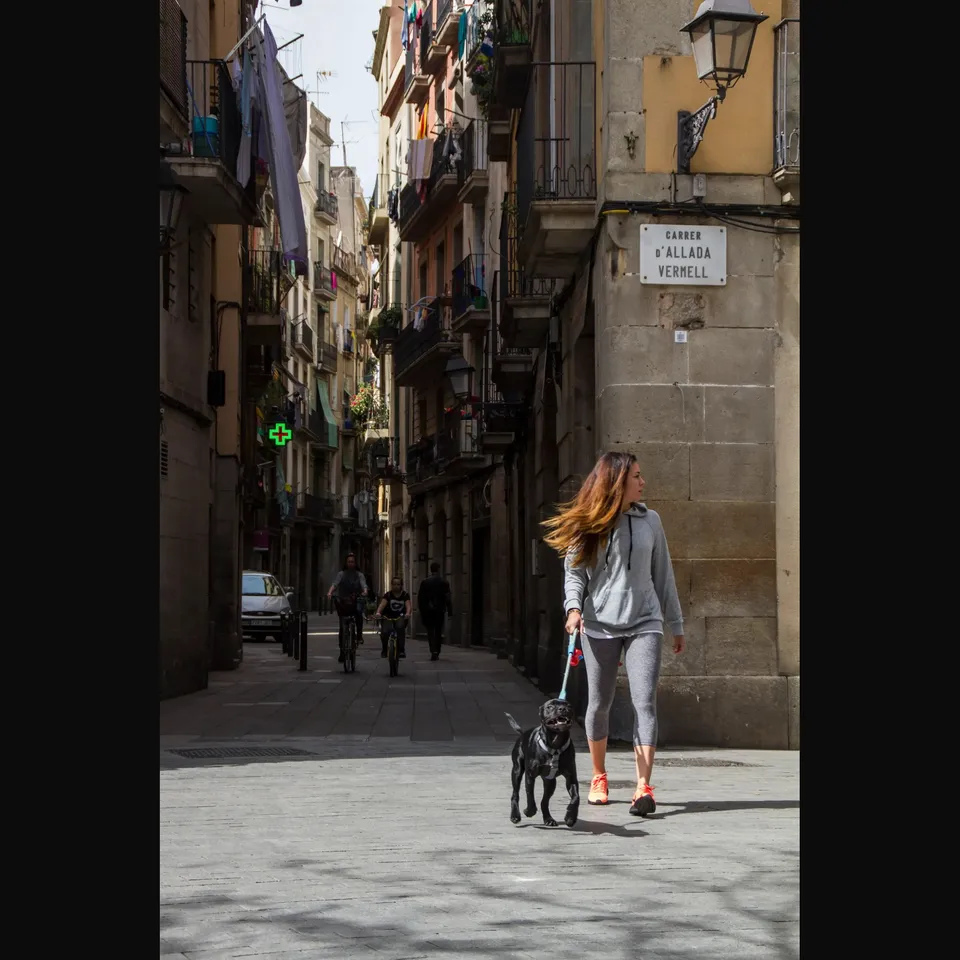
Barcelona is dense, apartment-based and highly walkable, which is great for routine pet care, but it also means more shared public space. That makes understanding the rules especially important in central districts such as Eixample, Ciutat Vella, Gràcia and Sant Martí, where pavements, squares and parks are busy all day.
Start with paperwork: chip, census and local admin
If you are settling in the city with a dog, cat or ferret, one of the first practical steps is making sure the animal is correctly identified and entered on the relevant registers. In Spain, microchipping is a basic requirement for dogs and is also standard for other companion animals. If your pet already has a chip from abroad, ask a local vet whether it is readable and whether any additional registration steps are needed in Catalonia.
Barcelona residents should also check the city’s pet census requirements. This is the local layer many people miss. The process can change over time, so the safest approach is to check the Ajuntament de Barcelona website or your district office soon after arrival. If you have also just registered your own address in the city, it makes sense to deal with pet admin at the same time.
Keep a folder, paper or digital, with the microchip number, vaccination record, passport or import documents, and your Barcelona address details. If your pet is ever lost, found by the police, or needs emergency treatment, having that information ready saves time.
For anyone moving from outside Spain, budget for setup costs rather than just monthly care. A first vet visit to review vaccinations, parasites and local paperwork can add up quickly. Routine consultations in Barcelona are often broadly in the tens of euros, while diagnostics, urgent care and surgery rise much faster. Pet insurance is worth considering, especially for dogs living in a city with traffic, stairs and crowded pavements.
Finding a vet and building a local routine
You do not need to live near the city centre to find veterinary care. Most neighbourhoods have clinics within walking distance or a short trip away, including areas such as Poblenou, Sants, Sant Andreu, Horta and Les Corts. When choosing one, focus less on glossy branding and more on practical fit: emergency arrangements, weekend cover, whether staff communicate clearly in English, and how easy it is to get there without a car.
If you rely on public transport, map the route before you need it in a hurry. Barcelona’s metro is useful, but a pet in a carrier is much easier to manage than a large dog on a busy line at peak time. If you live in hillside areas such as Vallcarca, El Carmel or parts of Sarrià-Sant Gervasi, think about whether your nearest clinic is uphill, downhill or realistically reachable on foot in an emergency.
It is also smart to ask early about parasite prevention suited to Barcelona’s climate. Warm weather for much of the year changes the rhythm of flea, tick and mosquito protection compared with northern Europe. Even indoor cats may need a different routine after a move.
For day-to-day life, many pet owners choose routes around quieter green areas rather than relying only on major promenades. The larger parks and seafront paths can be good exercise spaces, but they are not the same thing as off-lead zones, and local signage matters.
Leads, off-lead areas and everyday street rules
In Barcelona, assume your dog should be on a lead unless signs clearly say otherwise. This is the safest default and the one least likely to lead to a fine or an argument in a crowded square. Lead expectations are taken seriously in busy public areas, around children’s play spaces, and on streets with heavy bike or scooter traffic.
The city does have designated dog-use spaces and some areas or time slots where off-lead exercise is allowed, but they vary by district and can change. Look for posted signs in parks and gardens, and check the city’s online maps before relying on a spot as your regular run. What is acceptable in a quieter edge neighbourhood may be enforced more strictly in central areas.
You should also expect stricter rules for dogs considered potentially dangerous under Spanish regulations. In practice, that can include extra documentation, muzzling and lead requirements. If your dog falls into that category, verify the current obligations directly with the city or a local vet rather than relying on online forum advice.
Barcelona is generally good for dog walking, but there is little tolerance for owners who do not clean up properly. Carry bags every time, and in warm months bring water too. On hot pavements, especially in July and August, early morning and late evening walks are far kinder on paws than midday outings.
Dog-friendly beaches: where, when and how to use them
The biggest surprise for many new arrivals is that Barcelona’s beaches are not simply open to dogs year-round everywhere. In the main bathing season, dogs are usually restricted on most city beaches, with only specific dog-friendly sections or limited arrangements available. Outside peak season, rules are often looser, but exact dates can change, so always check the current city guidance before heading out.
In practical terms, this means planning ahead if you live in Barceloneta, Vila Olímpica, Poblenou or Diagonal Mar and hope to include the beach in your dog’s routine. A beach that feels local on the map may still be off limits in summer. Signage on the sand is the key reference point, and enforcement tends to be more visible in the warmer months.
When dogs are allowed, go prepared. Bring fresh water, a bowl, bags, and a towel, and expect sand to get everywhere on the journey home. Morning and evening are usually more comfortable than the middle of the day. If your dog is not used to crowds, the beach can be overstimulating, especially near central stretches with runners, cyclists and groups gathering on the promenade.
If beach access is your priority, look beyond the nearest sand and think in transport terms. From inland neighbourhoods such as Eixample or Gràcia, a metro trip to the coast can be easy with a small dog in a carrier. For larger dogs, a walkable local park may be more practical than forcing a stressful summer beach journey.
Transport, housing and settling in smoothly
Public transport with pets in Barcelona is possible, but smaller animals in carriers are the easiest fit. For larger dogs, rules depend on the transport mode and operator, so check before you travel rather than assuming the same rule applies everywhere. Avoid rush hour if you can. Stations with lifts are worth identifying in advance, especially if you have an elderly dog, a nervous rescue or a heavy carrier.
Housing can be the hardest part of moving with a pet. Many flats in older buildings have small lifts, narrow stairs and limited outdoor space. On viewing day, check practical details, not just whether pets are allowed: nearest green space, street noise at night, summer heat, balcony safety, and whether the building entrance is manageable for several walks a day.
Monthly pet costs in Barcelona vary widely, but a realistic baseline should include food, routine vet care, parasite prevention and occasional grooming or boarding. For many households, that means at least several dozen euros a month before any unexpected treatment. Emergency care can change the budget very quickly, so keeping a reserve fund is sensible.
The good news is that Barcelona is a very liveable city for pet owners once the setup is done. Learn the rules for your district, keep your documents organised, choose a vet before you need one, and treat the beach as a bonus rather than a guaranteed daily dog run. That approach makes city life easier for both you and your pet.