If you are about to sign a flat in Barcelona at €1,300, and the legal cap on that exact address is €950, you are about to overpay by €350 a month. That is €4,200 in the first year alone, and you can claim it back for up to three years afterwards, provided you check the right database and keep the right screenshot. This guide shows you how to look up the cap for any address in ninety seconds, what to say to a landlord who is asking over the line, and which paperwork to keep so a future refund claim actually sticks.
Yes, the Catalan rent cap is real. Yes, it is enforced. And yes, plenty of landlords are quietly relying on tenants not knowing how to check.
The mechanics have shifted year to year, but the principle has held: in declared "zones tensionades" (stressed-market areas), your new long-term contract cannot exceed the published reference index, and in many cases it cannot exceed what the previous tenant was paying.
Best for: long-term renters signing a "vivienda habitual" (habitual-residence) contract in Barcelona city or its metropolitan corona.
Avoid relying on this if: you are signing a genuine tourist or holiday let, which is the one category still outside the cap. Since 1 January 2026, temporada (seasonal) contracts taken for work, study or medical reasons and room-by-room lets in a shared flat sit inside the cap, so the protections no longer drop away the moment the contract stops saying "habitual".
What the law actually does
The Catalan rent-cap regime sits on top of the state Ley 12/2023 por el Derecho a la Vivienda (the 2023 national housing law). Catalonia uses it to declare municipalities and barris as zones tensionades, areas where rent has outpaced incomes, and applies ceiling rules to new long-term contracts in those zones. The Agència de l'Habitatge de Catalunya (AHC), the Catalan housing agency, keeps the current register of declared zones. Following the July 2024 expansion, that register contained 271 municipalities. Two resolutions dated 16th October 2026, published in the DOGC on 19th October 2026, added 53 municipalities and renewed the declaration for a further 118. Media coverage of the July 2026 announcement gave the total as 302 municipalities, so consult the live list instead of taking that figure on trust.
There are two ceilings, and the lower of the two wins.
Ceiling one: the reference index
The Spanish government publishes the state reference index for rents, which provides a price range for an individual home once its address or cadastral reference is entered; the Generalitat applies this index in the zones it has declared. Where a contract falls within one of those zones, the rent requested may not be higher than the upper limit of the index for that property.
Ceiling two: the previous tenant's rent
If the flat was rented in the past five years, the new contract usually cannot exceed what that tenant was paying, with limited inflation adjustments under the INE rental reference index (IRAV), the official index used to update existing rents. Even if the reference index is higher, the previous rent caps you.
What is, and isn't, covered
| Contract type | Capped? | The catch |
|---|---|---|
| Vivienda habitual (5+ years, your main home) | Yes | Standard protection. This is the one to insist on. |
| Temporada (32 days to 11 months) | No | Excluded by design. Now the favourite landlord workaround. |
| Tourist licence (HUT, "Habitatge d'Ús Turístic") | No | Different regime, and Barcelona is phasing licences out by 2028. |
| Room rental in shared flat | Partial | The flat's total rent is capped; individual rooms exist in a grey zone. |
| New build (first letting, defined window) | No | Exempt for a limited period after completion. |
| Renewal of an existing contract | No new check | Continues under original terms plus IRAV adjustment. |
How do I check the cap for an address, in 90 seconds?
- Open the Generalitat's Índex de referència de preus de lloguer (the official rent-index lookup tool).
- Type the full address, including portal and floor where known.
- Enter the surface area in m², the number of bedrooms, year of construction, and tick the boxes that apply: lift, parking, heating, terrace, furnished.
- Read the range it returns: a lower and an upper bound in euros per month.
- Save the page as a PDF or screenshot the result, with the date visible. You will want this later.
Two things to do with the result.
Compare to the asking price. If the listing's asking is at or above the upper bound, the contract is likely capped at that upper bound, or at the previous tenant's rent, whichever is lower.
Ask the landlord, in writing, for the previous tenant's rent and the dates of the previous contract. Under the Catalan housing law (Llei 18/2007, as amended by Decret llei 1/2025 and Llei 11/2025), the previous contract's rent, the reference-index price and whether the owner is a large holder all have to appear in the advert and again in the contract itself in a stressed zone, so they are obliged to give you this. Leaving it out of an advert is a serious infraction carrying a fine of €9,001 to €90,000. If they refuse or dodge, that is a red flag and worth noting in your file.
If you are already in a flat and want to check whether your current contract is legitimate, the same lookup works. The cap applies to the contract signing date, not the day you do the lookup, so set the calculator to the year you signed if it offers a historic option.
Best for using the lookup tool yourself: tenants signing a long-term contract who can produce a clean address, square metres, and year of construction.
Avoid relying on the lookup alone if: the address is a subdivided flat, a recently renovated unit, or anywhere the building data on the cadastre disagrees with what the landlord is telling you. In those cases, take the printout to an Oficina de l'Habitatge for a second look.
What do I do when the asking exceeds the cap?

The polite version: send a single email saying "I have looked up the address on the Generalitat index, the upper bound is €X, and I understand the previous contract was at €Y. Are you happy to draft the contract at the lower of the two?"
Plenty of landlords will accept. Plenty will say "then we do not have a contract" and move on. A handful will lie about the previous rent and bank on you not checking. The honest ones tend to be the landlords who want a long, stable tenant; the dodgy ones already had a plan B before you walked in.
If you have already signed a contract that exceeds the cap, you have three routes.
| Route | How it works | Best for | The catch |
|---|---|---|---|
| Pay and reclaim | Pay the contracted rent, then sue for the overpayment. | Tenants who want to stay in the flat without conflict. | You front the cash for months or years before recovering it. |
| Pay the legal cap | Pay only the capped amount, notify the landlord in writing. | Tenants ready to defend an eviction action. | Confrontational. Landlord can file for non-payment. |
| Formal complaint | File with the Catalan housing authority, which opens an inspection. | Tenants who have already left, or want regulatory pressure. | Enforcement is patchy; investigations are slow. |
The path most tenants pick is "pay and reclaim". The legal infrastructure to support this exists; the Sindicat de Llogateres (the Barcelona tenants' union) runs free clinics to help tenants prepare claims, and they have published wins from 2024 onwards on their site. A note on the statute of limitations: civil claims for overpaid rent in Catalonia generally fall under article 121-21 of the Codi Civil de Catalunya (the Catalan civil code), which sets a three-year window from the moment you could reasonably have known about the overpayment. That is not the same as "the clock is on the landlord forever", so treat the date of your screenshot as the date your clock effectively starts ticking and act within a sensible window.
Things people get wrong
"The index is the rent I have to pay." It is not. It is a cap, not a target. Plenty of flats are legitimately let below the index, particularly in less-touristy barris like Sant Andreu, Nou Barris, or the upper reaches of Horta-Guinardó, and on long-running contracts with established landlords.
"The cap only applies in central Barcelona." It does not. L'Hospitalet, Badalona, Sant Adrià, Santa Coloma, Cornellà, and large parts of the metropolitan corona are all in the stressed-zone list, alongside coastal towns like Sitges and Castelldefels. Check the published list for the year in which your contract is signed.
"The cap follows the flat forever." It does not. Renewals at the same rent are fine; new contracts trigger new index checks; and works carried out in the two years before a new contract, rehabilitation, accessibility improvements, or measures cutting energy use by 30 per cent or more, let the landlord lift the previous rent by up to 10 per cent under the housing law's improvement clause.
"Temporada is just a flexible long-term contract." It was the single biggest loophole in the system, and even though the law closed it on 1 January 2026 it is still the most common way landlords try to sidestep the rules. More on that below.
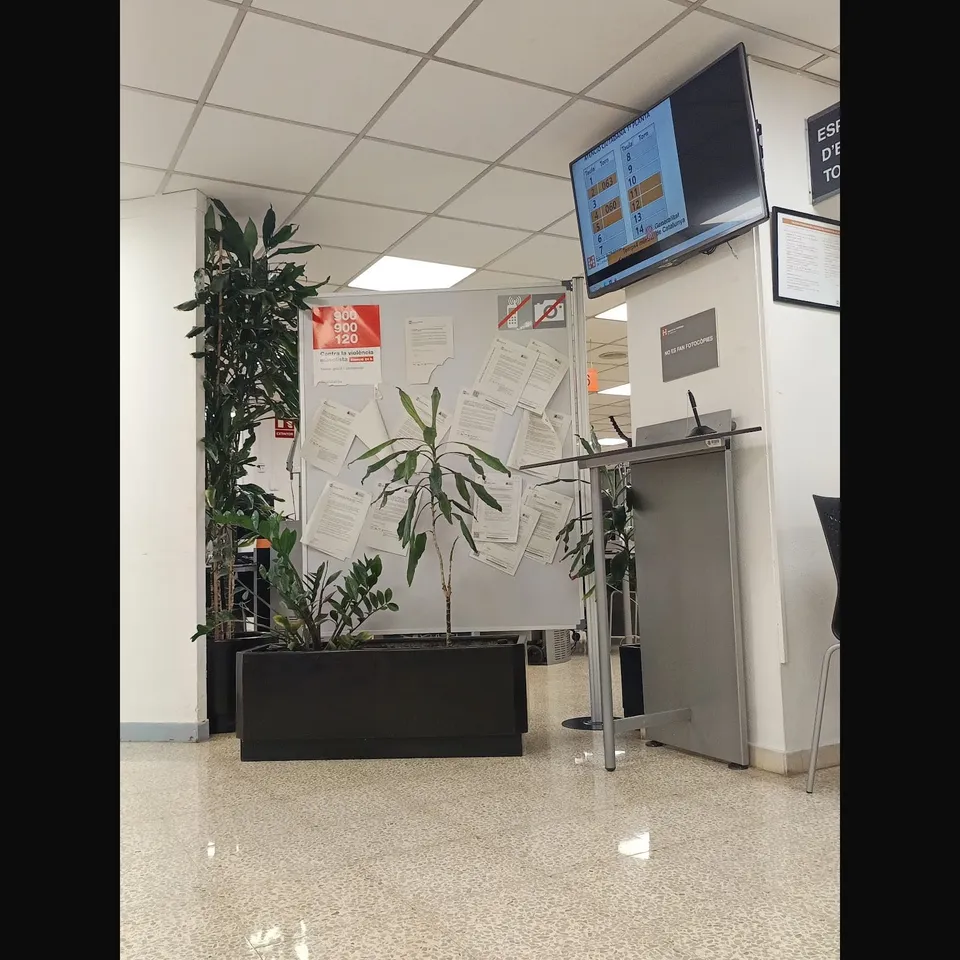
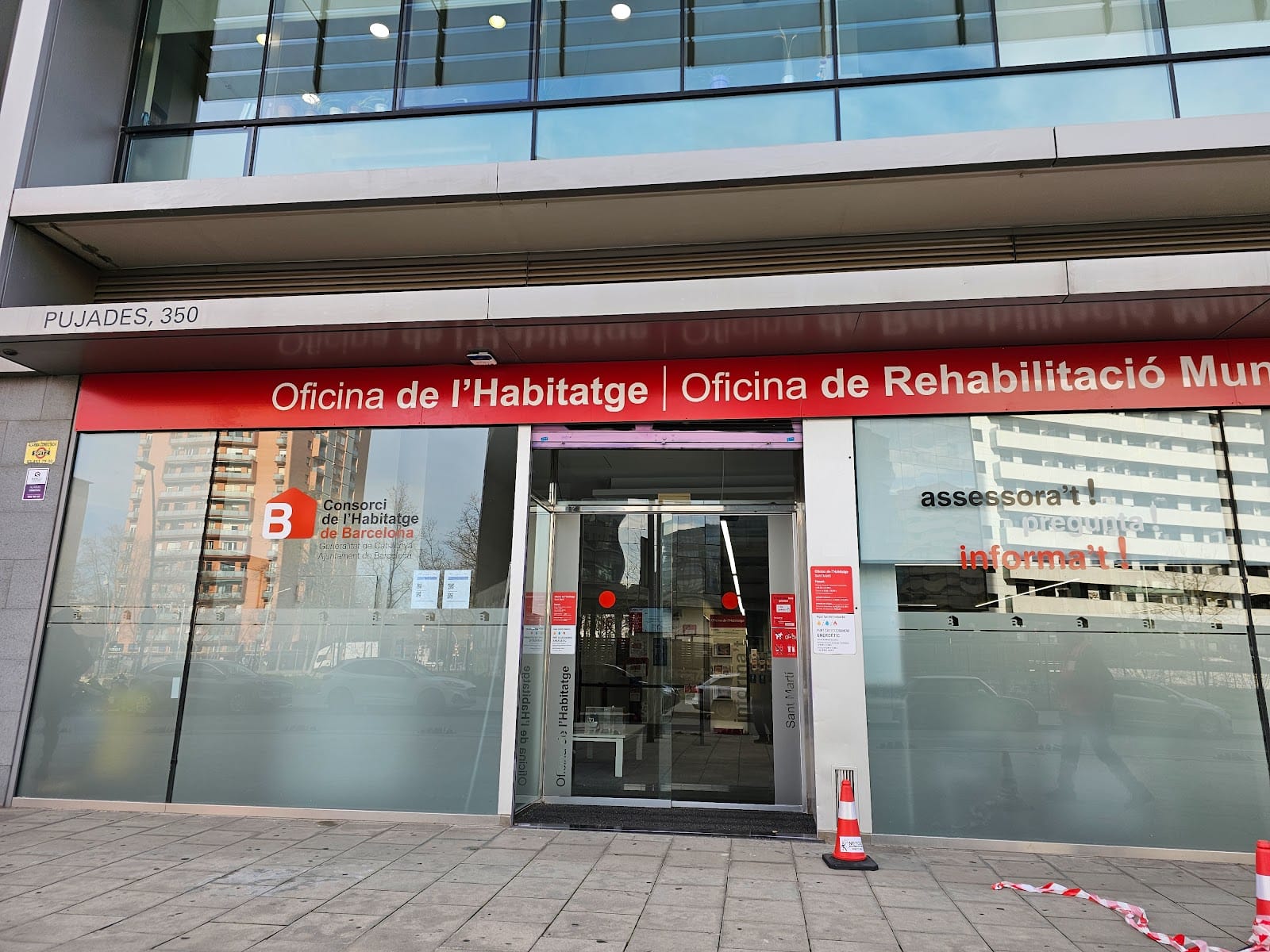
If you are unsure whether your specific situation is capped, the Sindicat de Llogateres runs free advice clinics across the city, and the Ajuntament de Barcelona Oficines de l'Habitatge (the city council's district housing offices) will look up your contract for you. There is one office in each of the ten districts, plus a Zona Nord service point, and they see people by appointment only, so book a cita prèvia before you turn up. Both are worth more than half an hour spent guessing on a forum.
The temporada workaround, and why it matters
A temporada contract runs from 32 days to 11 months, and until the end of 2025 it sat outside the cap entirely. Llei 11/2025 changed that on 1 January 2026: non-tourist seasonal lets and room-by-room lets are now capped, and any contract is presumed to be a habitual-residence let unless the landlord can document a real reason for the temporary term. Catalan landlords have responded to the regime by listing properties as temporada by default even when the tenant is plainly moving permanently. The listing on Idealista shows "temporada" rather than "vivienda habitual"; the asking rent is 20 to 35 per cent above the cap; the tenant signs and discovers they have no renewal right and has to argue the cap after the fact rather than settle it before.
If you are moving to Barcelona indefinitely, do not sign a temporada contract. If a landlord insists on temporada for a clearly long-term let, walk: you are being sold a worse product at a higher price. The full mechanics, including how to argue a temporada contract was actually a habitual-residence contract in disguise, are in the five-year contract guide on this site.
Best for a temporada contract: students on a confirmed nine-month exchange, professionals on a fixed-term secondment with a return ticket, anyone with a documented reason the let is genuinely seasonal.
Avoid temporada if: you are moving indefinitely, you have children who will need padró-based school priority, or you intend to stay past 11 months. The "flexibility" is for the landlord, not you.
What most tenants miss
Knowing the cap does not only help you negotiate at signing. It gives you a legal claim against an over-cap landlord later, even if you signed a year ago and the rent felt fair at the time.
The clock for filing the claim runs from the date you could reasonably have discovered the overpayment, not necessarily from when you signed. If you find out next year that the index for your flat was €200 below what you have been paying, the claim is usually still alive, within that three-year window.
The folder to keep:
• Screenshot or PDF of the index lookup for your address, dated to the day you signed.
• Signed contract and annexes.
• Any emails or WhatsApps about the previous tenant's rent and dates.
• Bank transfers or receipts for every rent payment.
• A note of the listing as it appeared (Idealista, Fotocasa, Habitaclia) with the URL and the asking price.
Kept casually in a cloud folder, this becomes the basis for a refund claim worth a few thousand euros if you ever decide to make it.
The bigger picture of renting here
The cap is one piece of a wider rental reality in Barcelona, and the rest of it shapes how you should think about a flat before signing.
Schools and the padró. If you have children, your school assignment runs off the padró municipal (the municipal residents' register), and the padró requires a contract. Temporada contracts are accepted for the padró but make your school priority weaker than a habitual-residence contract. That alone is a reason to push back on temporada.
Transport. Most flats outside the centre lean on the TMB (Transports Metropolitans de Barcelona, the metro and bus operator) network or ATM (Autoritat del Transport Metropolità) integrated transport zones. A flat one zone out can cost €200/month less in rent but add €20/month in transport and 30 minutes a day in commute. Worth pricing in.
Utilities. Endesa or a free-market provider handles electricity, Aigües de Barcelona handles water, gas is usually Naturgy. Average monthly bills for a 70 m² flat run €80 to €140 in winter (heating-dependent) and €40 to €70 in summer. Some landlords include utilities in temporada contracts, which obscures the true cost.
Language. Most official paperwork is in Catalan first, Spanish second. The Generalitat index tool, the Sindicat clinics, and the Oficines de l'Habitatge will all serve you in Spanish or English if asked, but the source documents are Catalan and worth scanning even if you do not read fluently.
Summer closures. Many tenants' clinics and housing offices reduce hours or shut entirely through August. If you are moving in late July or August, start the index check and any landlord correspondence in June. Do not assume you can ring the Sindicat on 10 August and get a same-week appointment.
The shortage is real. According to figures from Idealista for the second quarter of 2026, Barcelona, a city of some 1.7 million residents, has around 30,000 long-term rental listings in circulation, and the typical listing there now attracts roughly 95 enquiries. The cap does not change the queue. It changes what you pay once you reach the front of it.
Decision matrix: what to do, by situation
| Your situation | First move | Then | Watch out for |
|---|---|---|---|
| Viewing a flat, not signed yet | Run the address through the Índex de referència, screenshot the result. | Email the landlord asking for the previous tenant's rent and dates. Negotiate to the lower of index upper bound or previous rent. | Asking listed as "temporada" when the let is plainly long-term. Walk. |
| Already signed, suspect overpayment | Look up the index for your address as of the contract signing date. Compare to your rent. | Book a free clinic at the Sindicat de Llogateres. Decide between pay-and-reclaim, pay-the-cap, or formal complaint. | Three-year claim window from when you could reasonably have known. |
| Renewing an existing contract | Confirm the renewal continues under the original rent plus the IRAV adjustment only. | Refuse any "new contract" framing that triggers a fresh index check or higher rent. | Landlord proposing a "new contract" to escape the prior rent ceiling. |
| Offered a temporada contract | Establish in writing that your intent is to stay long-term. | Push for vivienda habitual. If refused, walk unless the let is genuinely seasonal. | Loss of cap protection, school priority, and renewal right. |
| Sharing a flat, paying for a room | Look up the cap for the whole flat, divide by rooms as a rough check. | Make sure the head-tenant contract is vivienda habitual. Room sub-lets sit in a grey zone. | "Room temporada" contracts that strip you of every protection. |
| Outside Barcelona city (L'Hospitalet, Badalona, Sitges, etc.) | Confirm the municipality is on the current stressed-zone list. | Same lookup and same paperwork. The rules apply identically. | Listings still implying the cap is "Barcelona only". It isn't. |
Quick recap
The 90-second version:
1. Check if the address is in a zone tensionada via the Generalitat list.
2. Run the address through the Índex de referència. Save the result.
3. Ask the landlord, in writing, for the previous tenant's rent.
4. Insist on a vivienda habitual contract. Refuse temporada for a permanent move.
5. If the asking exceeds the cap, negotiate, then pay and reclaim if you have already signed.
6. Keep the folder. Three-year claim window from the date you could reasonably have known.
Get this in your inbox
Working out a rent cap or pushing back on a temporada contract is far easier when other renters have just been through it. Our Barcelona English Speakers community brings together more than 4,000 residents across 20-plus free, moderated WhatsApp groups, including flat-hunting, neighbourhoods and settling in. Swap real listings, compare landlords and ask the questions you would rather not post on a public forum.