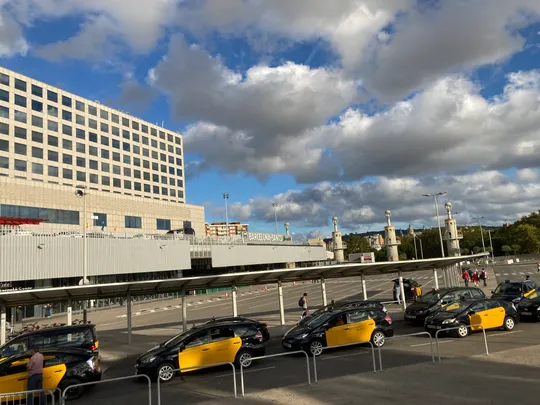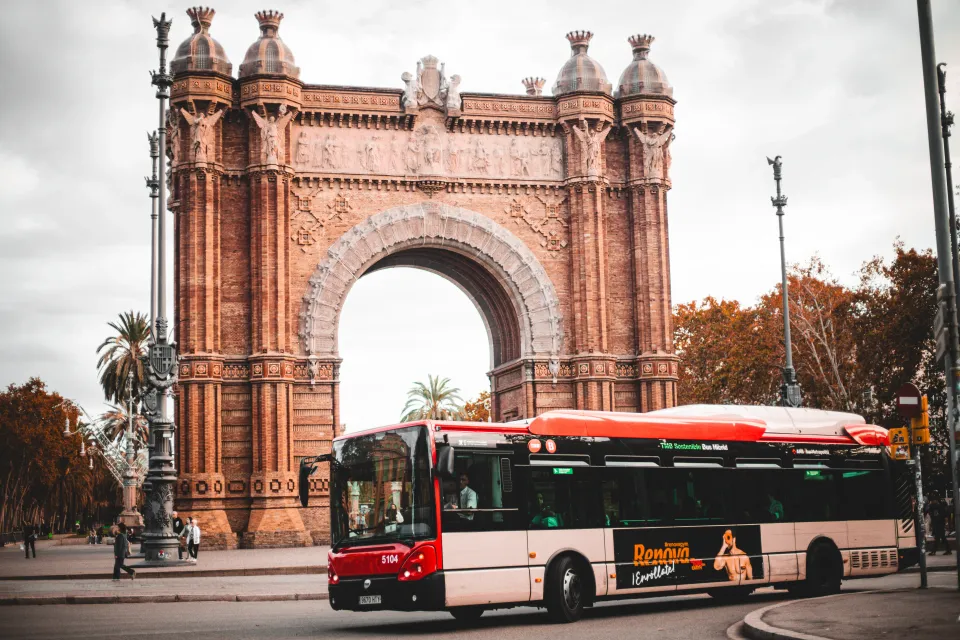
Bus operators in Barcelona have demanded an end to being treated as the "poor relation" of public transport, after two years of carrying more passengers than Rodalies [Catalan commuter rail], with up to 7,000 daily intercity trips into the city, according to El Periódico Barcelona (source).
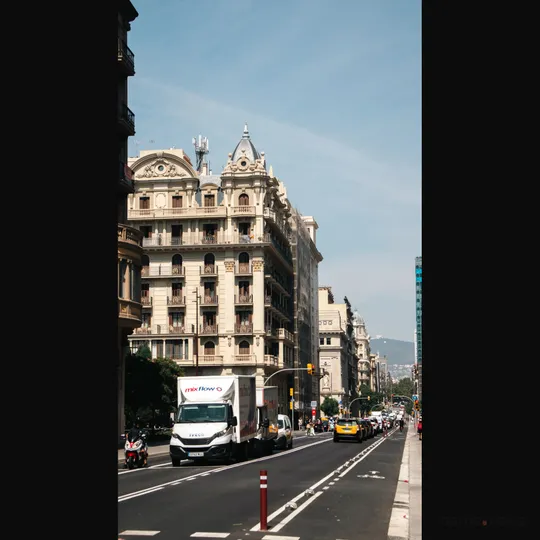
At the 6th Conference of the Catalan Federation of Passenger Road Transport (FECAV) on Monday 16th November 2026, president José María Chavarría called for greater recognition, proper planning and increased funding. He highlighted the lack of a suitable bus station on Avinguda Diagonal and deficiencies on Avinguda Meridiana and Gran Via.
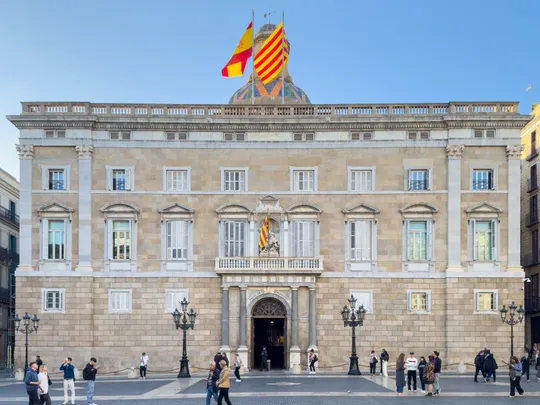
Jordi Terrades, general secretary of the Department of Territory, confirmed the government’s commitment to a €22 million reinforcement plan for intercity bus services, particularly during peak hours. Susi López, director of Transport and Mobility for the Government of Catalonia, acknowledged that ongoing Rodalies disruptions have driven significant growth in bus use.
Improving Infrastructure and Decarbonisation
Barcelona City Council and the Barcelona Metropolitan Area (AMB) are studying options to reorganise bus stops and develop underground stations at key locations including Maria Cristina, Zona Universitària, and Plaça de Francesc Macià. Lídia Torres, director of Mobility Services for the city council, noted that 90% of intercity bus operations take place in public space, creating challenges in a densely built city.
On decarbonisation, sector leaders agreed that no single technology fits all needs. A mix of electric, hybrid, biomethane and hydrogen vehicles is required. Elena María Atance, representing the Ministry of Transport, stressed that sustainability goals must be matched with viable economic conditions for operators.
Sources: El Periódico.