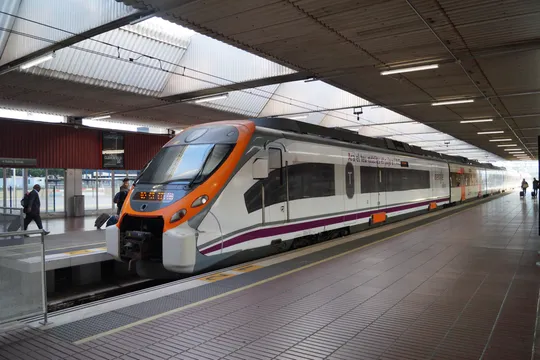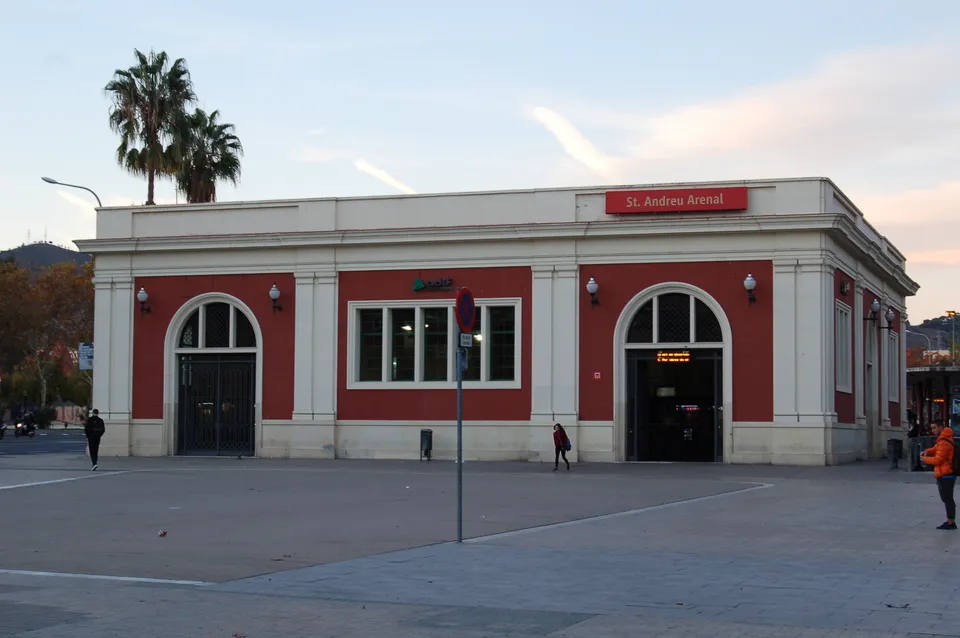
A cable theft at Barcelona’s Fabra i Puig station has added to widespread Rodalies commuter rail delays on Friday 13th November, affecting R4 and R7 services, according to operator Renfe. The disruption follows days of problems linked to train and driver availability.
Rodalies issued an alert at 06:24 on Friday reporting average delays of 30 minutes on the R4. Passengers can check the Rodalies service disruption page before travelling; the alert says trains may also stop as they approach the affected section.
Other lines and regional services are affected too. La Sexta, citing Renfe and rail infrastructure manager Adif, reports delays of between 15 minutes and an hour on the R1, R2, R2 Sud and R8, as well as on regional trains arriving from southern Catalonia.
Theft affects signalling near Fabra i Puig
The theft has affected signalling between Fabra i Puig and Montcada Bifurcació stations, according to Renfe and Adif, as reported by La Sexta. Renfe put average delays on the R4 and R7 at about 30 minutes, while Adif said its staff were working to resolve the incident.
The official Rodalies alert identifies two causes for the R4 disruption: an operational incident and infrastructure damage from cable theft at Fabra i Puig. It warns that trains can remain stopped as they approach the affected point, as well as running late.
La Sexta reports that operational incidents have included a lack of trains or drivers at the starting point of services, meaning some scheduled trains do not depart.
Taxi company disputes explanation for delays
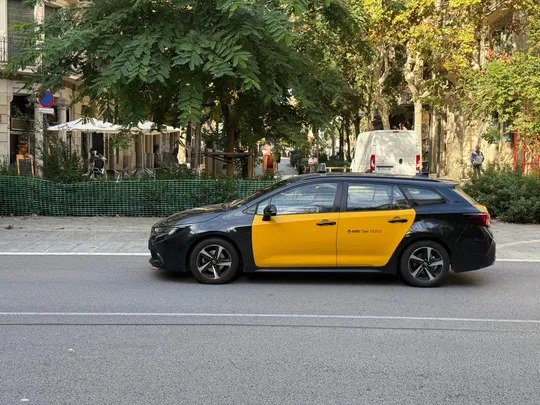
Rodalies director Òscar Playà said on Thursday 12th November that a lack of taxis to take drivers to the starting points of their trains had contributed substantially to the network’s delays. Taxis are commonly used for those journeys, he said, but their use had increased since the previous weekend.
Playà linked that increase to the breakdown of agreements on working schedules between Renfe and Semaf, the train drivers’ union, according to La Sexta.
Marc Grau, commercial director of the taxi company serving Renfe, disputed the suggestion that taxis were responsible. Speaking to Catalunya Ràdio, he said the company had responded to all requests made before 06:00 on Thursday:
“We had 80 requests and activated our own taxis for all of them, but for 30 journeys the driver did not turn up.”
Grau also said the company had met Renfe’s requests during Wednesday’s general strike, despite having approximately 15% of its vehicles available. Some journeys were delayed, he said.
Strikes preceded the latest disruption
The network has experienced daily incidents since the previous weekend, La Sexta reports. A train drivers’ strike took place on Tuesday 10th November, followed by a general strike on Wednesday 11th November.
During Tuesday’s drivers’ strike, legally required minimum services were not met. These are the trains designated to keep running during industrial action. Renfe said 89 of the 215 trains scheduled under those requirements up to 14:00 were cancelled, or 41% of the planned service.
The operator said 73 of the 143 drivers rostered for minimum services had not reported for duty. Semaf disputed Renfe’s account, with its general secretary, Diego Martín, saying drivers who had received formal notices had reported for work, according to Catalan News.
Playà said on Tuesday that staff assigned to minimum services had been notified through Renfe’s internal communications app. He apologised to passengers and appealed to drivers to respect the requirements.
Sources: La Sexta Barcelona, Rodalies de Catalunya, Catalan News, La Vanguardia, RTVE.