Bellvitge Leads Surge in Robotic Procedures
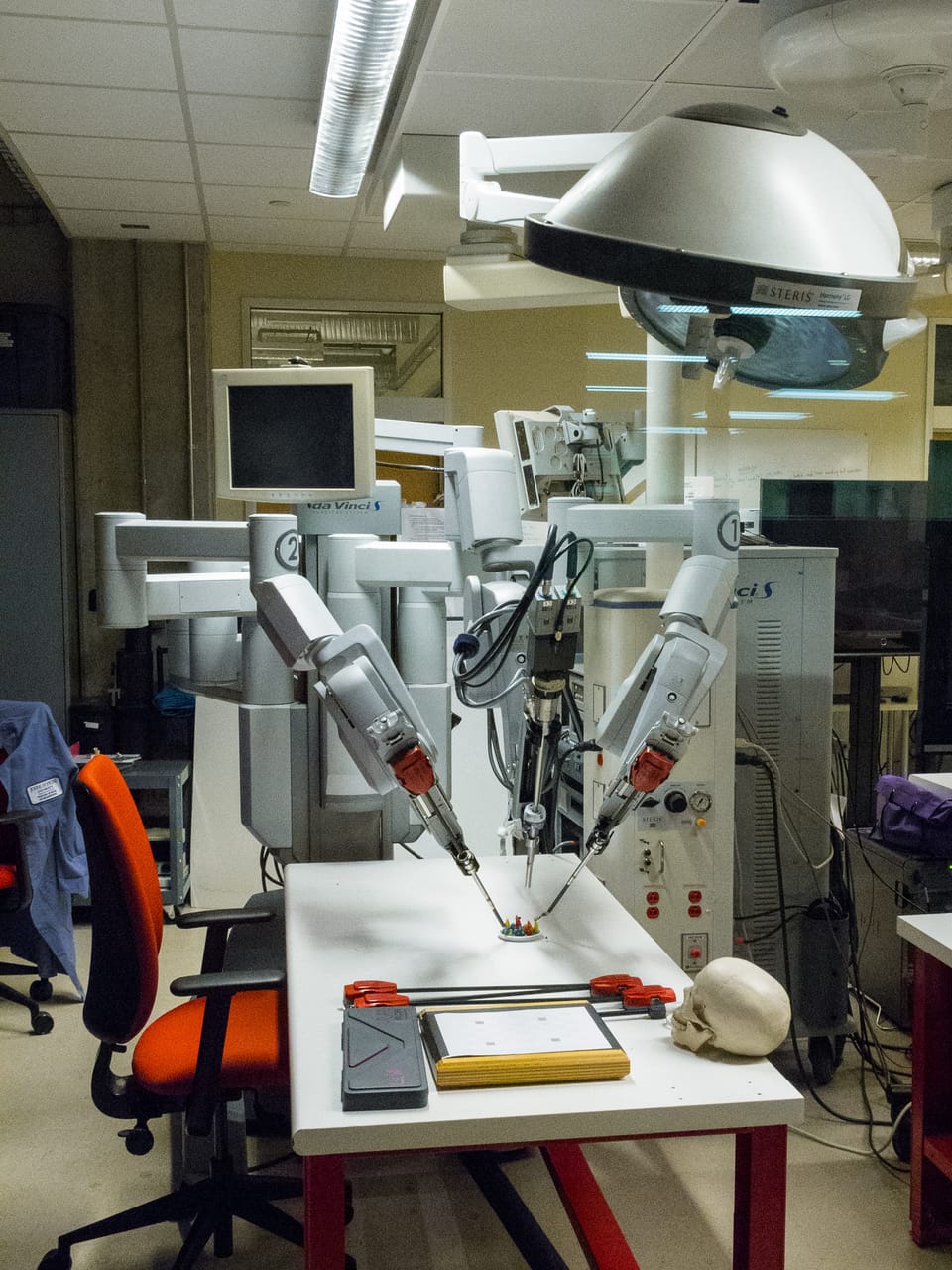
In 2025, 9,402 robotic surgeries were performed across Catalonia, a rise from 1,288 in 2018, according to data from the Agency for Health Quality and Assessment of Catalonia (AQuAS). This sevenfold increase over eight years reflects a sustained expansion in access and adoption of robotic surgical systems. Bellvitge University Hospital has emerged as the leading centre, performing 1,200 robotic surgeries in 2025–15.5% of the regional total. The hospital has carried out more than 5,700 robotic procedures since 2018, becoming the first in Catalonia to surpass 1,000 interventions in a single year, in 2024. The hospital now operates six surgical robots, including the recently added Symani system for microsurgery and supermicrosurgery. It has also achieved 300 kidney transplants using robotic techniques.
Expansion Across the Public Health Network
The number of hospitals in Catalonia’s Integrated Public Health System (SISCAT) offering robotic surgery has grown from 10 in 2018 to 24 in 2025. While still representing a small share of total surgical activity, rising from 0.25% to 1.59%, the annual trend is described as 'statistically significant and consistent' across specialties. Gastrointestinal and urological procedures have seen the most growth. Robotic prostatectomy is now the predominant method for prostate cancer surgery in the region.
Bellvitge launched its robotic surgery program in 2009 and has steadily expanded capacity and expertise ever since.
The Descriptive Study of Robotic Surgery in Catalonia, prepared by AQuAS, attributes the growth to improved technology, training, and centralisation of complex oncological cases at specialist centres like Bellvitge.
Regional Access Improves with New Collaborations
Five regional hospitals, in Vic, Igualada, Terrassa, Mataró and Calella, have jointly acquired the Chinese-made Toumai robotic system, reducing costs by 21% and saving €3.5 million on a €12.4 million investment. This coordinated purchase, reported by Catalonia Today, is believed to be the first of its kind in Spain. The initiative aims to reduce healthcare inequalities by bringing advanced surgery closer to patients outside Barcelona. Initial procedures will focus on gynaecology, urology and general surgery, including hysterectomies, prostate surgery and gallbladder removal. Patients in L'Hospitalet and surrounding areas benefit directly from Bellvitge’s leadership, with local residents gaining faster access to minimally invasive techniques without needing to travel to central Barcelona.
Robotic surgery allows for greater precision, shorter recovery times and reduced complications, according to clinical assessments by AQuAS.
The Generalitat’s health department continues to assess the efficiency and safety of robotic systems through ongoing studies hosted on scientiasalut.gencat.cat, including evaluations of the Da Vinci and Toumai platforms.
Primary sources: scientiasalut.gencat.cat, inventariarxiu.l-h.cat. Reported by lhdigital.cat, teresa márquez / [email protected], bellvitgehospital.cat, LHDigital (L'Hospitalet).