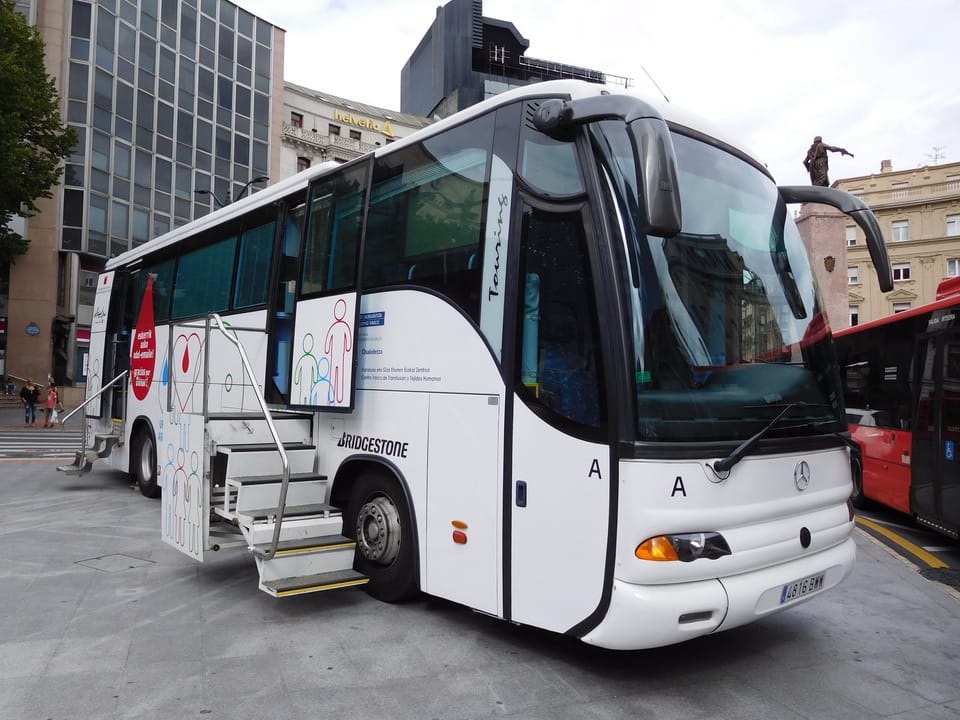
Barcelona, 12 August 2026, The Banc de Sang i Teixits (Blood and Tissue Bank, BST), Catalonia’s public blood supply service, is intensifying its donation campaigns in August after recording 18,000 donations in July, falling short of its 23,000-target. With hospitals requiring a daily average of 1,000 donations to maintain adequate reserves, the BST is deploying 67 mobile collection units across Catalan municipalities during local festivals to keep pace.
To encourage participation during peak holiday travel, the BST has embedded donation points within community festivities, allowing donors to contribute without disrupting their summer plans. Each procedure takes about 30 minutes, and donors can resume normal activities immediately afterward.
We try to make our donation points a kind of climate refuge.
Joan Ramon Grifols, assistant director of the BST, said the organisation has conditioned donation spaces for thermal comfort amid high temperatures, calling them “a kind of climate refuge.” All donors receive a gift fan, and some sites are offering promotional items such as horchata popsicles through partnerships with local businesses like L'Orxateria Ribera.
Meeting Daily Demand Amid Summer Drop
Despite efforts, current forecasts estimate only around 600 daily donations in August, against a need for 800 to 1,000 transfusions per day, a deficit of up to 20%. The BST supplies all hospitals and clinics in Catalonia and manages transfusion services in 13 major public hospitals, covering 80% of the region’s transfusions.
“The volume we extract allows for a completely normal life,” Grifols said, stressing that healthy adults weighing over 50 kg can donate safely. Before donation, staff conduct a brief health check and questionnaire to rule out temporary ineligibility due to medication or recent travel outside the European Union.
How to Donate and Track Your Contribution
- Donors can book appointments via the bancsang.net portal by entering their postal code or municipality.
- Reservations help allocate resources, but walk-ins are accepted.
- Hospital-based donation points remain open on public holidays, including 15 August.
After donation, each blood unit is processed into three components, red blood cells, plasma, and platelets, each with specific storage conditions and shelf lives. Red blood cells last 41 days at 4°C, platelets are viable for seven days at 22°C, and plasma can be frozen at -25°C for up to three years.
Ten to 14 days after donation, participants receive an SMS indicating which hospital received their blood component. Donors can also access basic test results via their online portal, though the BST clarifies these are for transfusion safety and not diagnostic use.
Reported by cope.es, bancsang.net, Banc de Sang i Teixits, Javier Sánchez.