Immediate action on storm resilience
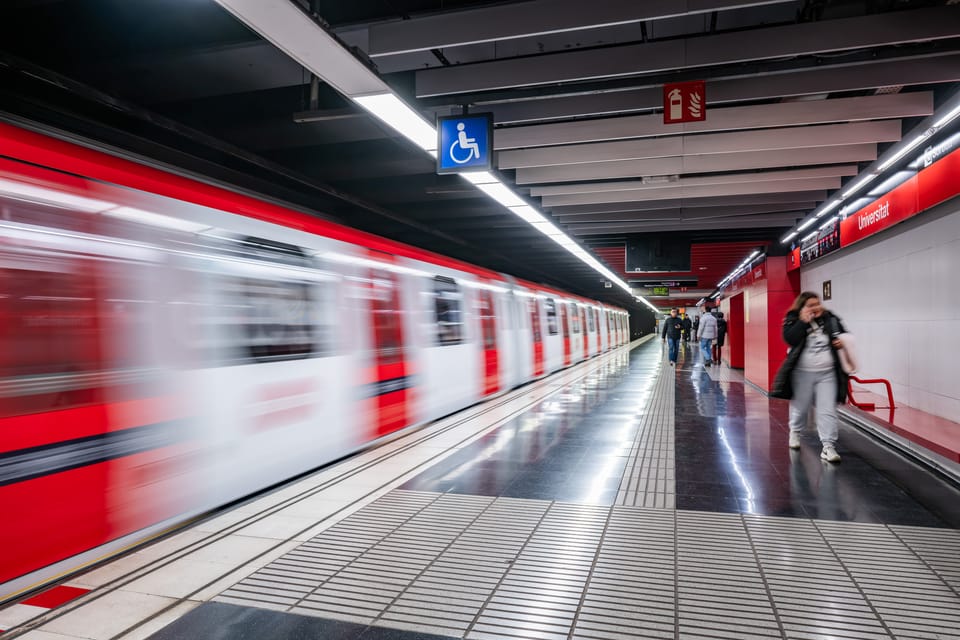
Transports Metropolitans de Barcelona (TMB) will review the weakest points in its metro network following two severe downpours in September that flooded stations and halted service across most lines. The storms on 16 and 29 September dumped over 100 litres of rain per square metre in under an hour in parts of the city, forcing station closures and leaving large areas without underground transport. 'We are aware that we have to adapt to new climate circumstances and we are doing so,' TMB sources told ARA. Teams are already defining measures to minimise damage during future torrential rains, with some improvements to be made "immediately".
Infrastructure upgrades planned
Work will focus on infrastructure where water has entered, including ventilation shafts and water pumping stations. TMB confirmed it will reinforce pumping capacity and inspect entry points to prevent flooding during extreme weather.
We will act on the infrastructure where we have detected water entering.
The Barcelona City Council is also analysing the municipal response to the recent storms to determine whether updates are needed to protect public spaces, the metro network, and wider urban infrastructure.
Widespread disruption reported
During Tuesday’s storm, water accumulation led to extended outages across the metro system. The worst-affected lines included line 5 between Collblanc and Diagonal, line 3 between Liceu and Vall d'Hebron, and line 4 between Verdaguer and Trinitat Nova. At Fabra i Puig station on line 1, water cascaded onto platforms, a scene repeated from the 16 September storm. Other critical transport routes were also hit. The Ronda de Dalt and B-20 motorways closed for hours due to standing water. Meanwhile, residents in Torre Baró and Ciutat Meridiana mobilised to clear mud from streets to restore bus access and prevent isolation.
Rainwater storage expands citywide
Despite the chaos, flooding was reduced in historically vulnerable areas like Avinguda del Paral·lel, thanks to rainwater tanks operating at up to 90% capacity. The city currently operates 15 such tanks, with a combined volume of 477,020 cubic metres. An additional 29 tanks are planned, which are expected to increase retention capacity by more than 1 million cubic metres, according to Barcelona City Council.
Primary sources: tmb.cat, noticies.tmb.cat. Reported by en.ara.cat, ara.cat, lavanguardia.com, elnacional.cat, Diari ARA.