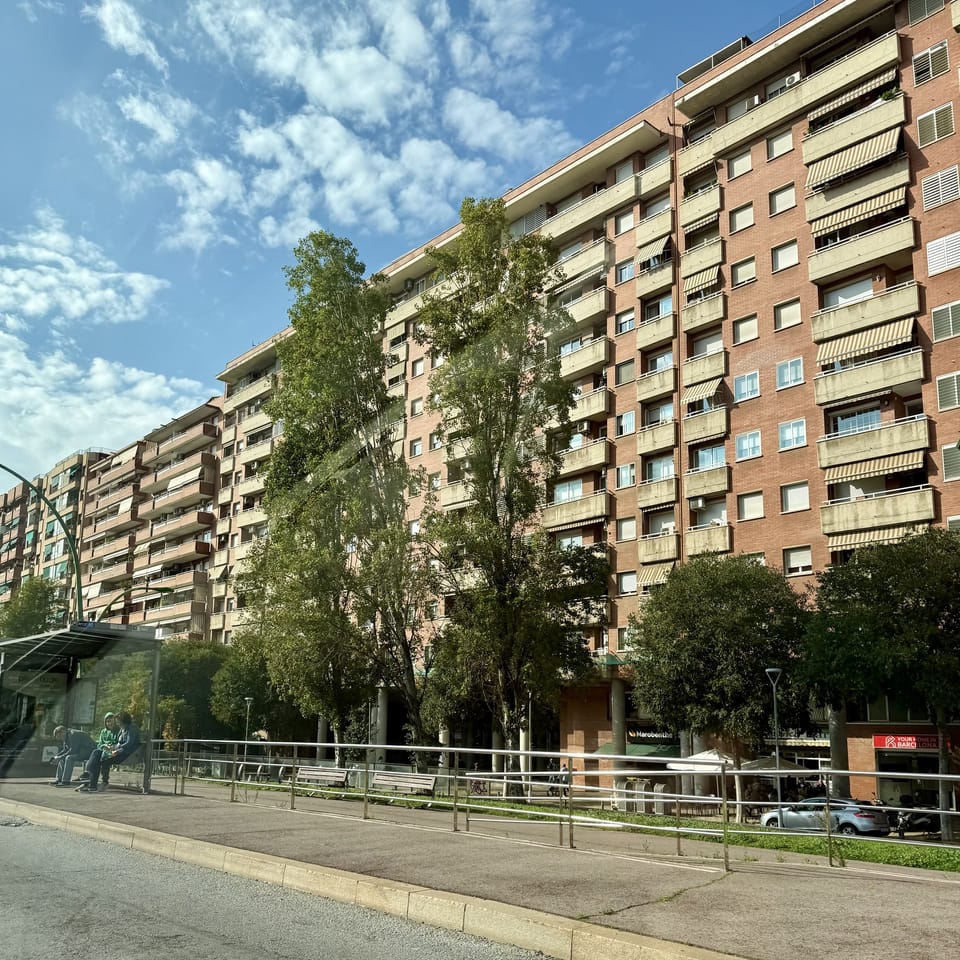
Housing Targets Under Scrutiny
As of early September 2026, the Catalan government reports that nearly 10,000 homes under the Plan 50.000 are completed and occupied, with around 28,000 more in development, according to Territorial Minister Sílvia Paneque in a Catalunya Ràdio interview cited by Infobae. The total of 38,000 units currently projected falls short of the full 50,000 target set for 2030. The Plan 50.000 forms part of Catalonia’s broader Plan territorial sectorial de vivienda, approved under Decree /2023 and effective from 1 January 2024. This plan mandates municipalities in areas of strong residential demand to achieve a 15% social housing stock over a 20-year period. The goal applies specifically to cities such as Barcelona, L’Hospitalet, Badalona and others designated in the plan’s Annexes. However, analysis from Observatori DESCa suggests only between 9.8% and 37.1% of households needing housing assistance may qualify for the new 90m² units, raising concerns that the most vulnerable, including many migrant families, could be excluded.
Fast-Tracking Permits and Reducing Bureaucracy
The Generalitat has launched a draft law titled the draft bill for the simplification of procedures in the urban and environmental sphere, open for public consultation until September 2026, aiming to reduce building permit processing times from an average of nine months to just one month in cities like Barcelona. Under the proposal, developers can submit compliance certificates prepared by accredited private professionals through Urban Area Certification Collaborating Entities (ECAUs). The reform would amend up to 15 regulations but keeps existing legal standards intact, focusing instead on accelerating administrative workflows. Salvador Illa announced the initiative in July 2026, positioning it as a key step toward making government more efficient and responsive. The Government expects final approval by December 2026.
Broader Governance Challenges Ahead
Beyond housing, the Executive faces mounting pressure on multiple fronts: improving Rodalies commuter rail services, expanding the Mossos d'Esquadra force to 25,000 agents by 2032, and modernising healthcare with digital tools while retaining staff. The 2026 Budgets have been approved, and planning is underway for the 2027 spending ceiling of €43.191 billion, a 4.9% increase. Yet financial constraints remain, particularly regarding the renegotiation of Catalonia’s regional financing model and potential debt relief from the Autonomous Liquidity Fund, both requiring agreements with Spain’s central government and Junts.
Our focus now is on delivering real improvements in people’s lives, not symbolic debates, but concrete solutions,
said President Illa during his institutional address on 16 July 2026 following the European Court of Justice’s endorsement of the amnesty law. With climate-related emergencies becoming routine, the Generalitat also plans to expand Bombers and Protecció Civil staffing and deploy AI, drones and weather radars for better prevention.
Next Steps for Residents and Developers
Citizens and businesses can review and comment on the proposed planning reforms via the Generalitat’s transparency portal. Annual audits on the housing plan’s progress will be submitted to parliament, in line with legal requirements under the Plan territorial sectorial de vivienda.
Primary sources: governobert.gencat.cat. Reported by observatoridesca.org, infobae.com, barna.news, elpais.com, elperiodico.com, lavanguardia.com, rtve.es, europapress.es, elplural.com.