Life expectancy gap of 34 years
People who lived or had lived on the streets in Barcelona between 2015 and 2025 died at an average age of 49, according to the report 'Vivir en la calle mata' (Living on the Street Kills) by Fundació Arrels. This is 34 years less than the city’s overall average life expectancy. In 2025, the average age of death in Barcelona was 79.9 for men and 85.8 for women, a citywide average of 83 years. The gap means homeless men die around 30 years early, and homeless women around 40 years early.
Women face even greater risk
The report highlights a reversal of the usual gender longevity pattern. While women typically live longer than men in Barcelona, homeless women die at an average of 45 years, five years younger than homeless men. The foundation described this as “very alarming.” Between 2015 and 2025, 682 people who lived or had lived on the streets died in Barcelona, according to the study. Of these, 204 were still living on the streets at the time of death.
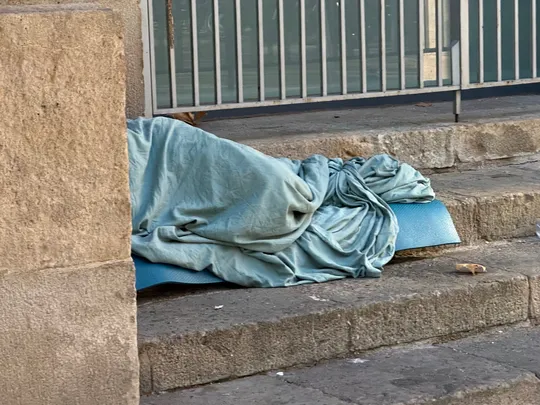
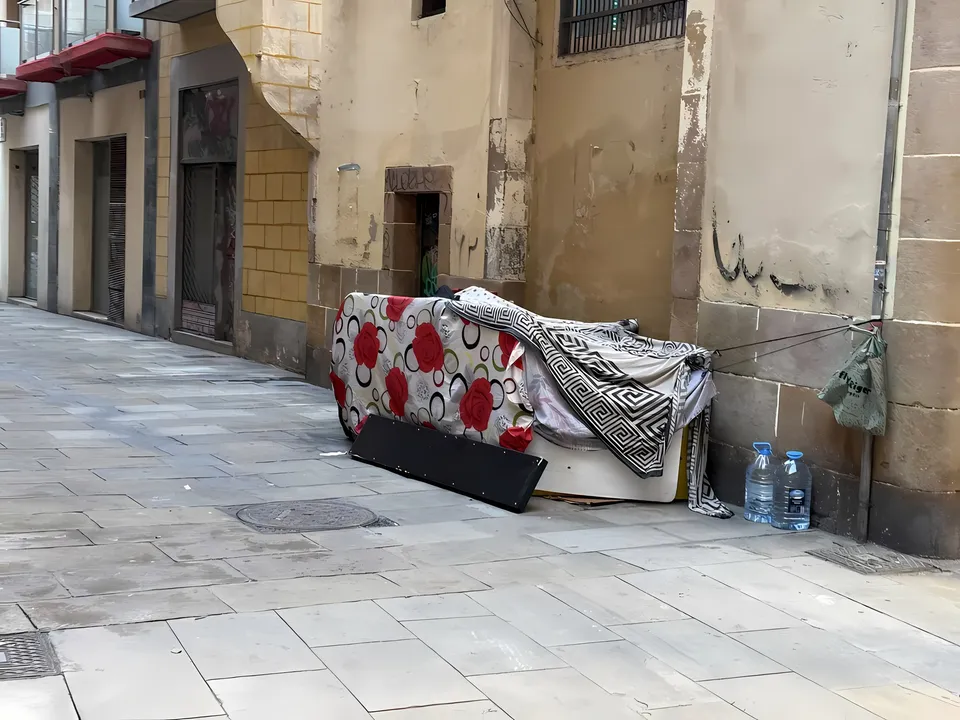
The street is not only where they live, it is also where they die.
Where deaths occur
- 60% of homeless people died on the street
- 35% died in hospitals or socio-sanitary centres
- The remaining 5% died elsewhere, including in temporary shelters
Dying on the street is nearly 20 times more common among unsheltered people than those who have accessed accommodation.
Causes of death
Medical causes accounted for 43% of deaths among homeless people. External causes, including violence, overdoses, and suicide, made up 27% of deaths. Overdoses are a particularly significant factor among women. For younger people, external causes represent a large share of known deaths. Beatriz Fernández, president of Arrels, said: "The deaths of homeless people are not solely due to health deterioration, but also to the conditions of exposure, violence, and risk that life in public spaces entails."
Accommodation improves survival
The report found that people who accessed accommodation before death lived 13 years longer on average than those who remained on the street, dying at 62 years compared to 49. However, the foundation stressed that housing does not automatically reverse the long-term physical and mental health impacts of years spent outdoors.
Policy recommendations
The report calls for:
- Expanding access to stable, long-term housing
- Reducing time spent living on the street
- Better coordination between health, social, and homelessness services
- Strengthening harm reduction and overdose prevention policies
- Creating a standardised death registry for homeless people
- Clear protocols for informing next of kin and managing personal belongings
Arrels presented the findings on Wednesday 28 October 2026, as part of its 10-year remembrance ceremony for people who have died while homeless.
Sources: elDiario.es, El Nacional.