Residents Endure Over 30°C in Public Homes
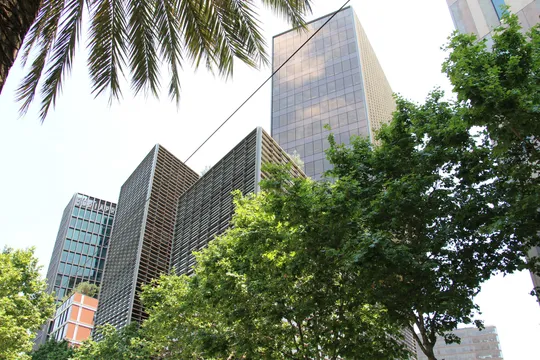
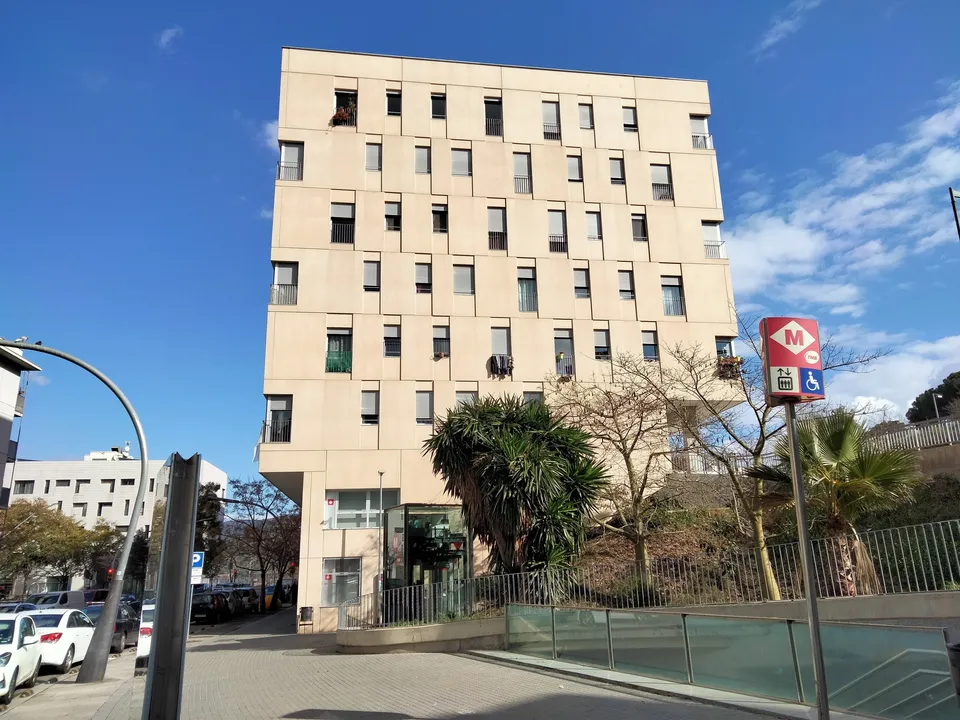
Residents of the Illa Glòries public housing development in Barcelona have reported enduring indoor temperatures above 30°C this summer, despite the installation of aerothermal air conditioning systems designed for energy efficiency. Complaints have also emerged from Torre Baró, another municipal housing site, where residents face ongoing issues with climate control. At Illa Glòries, one of the city’s largest public housing projects, tenants say the aerothermal system, intended to support decarbonisation, is failing to deliver basic thermal comfort. Neighbour Vaskén from Block B described the system as "malfunctioning and expensive", while Gaetano from Block A said it failed to cool his home, which reached over 30°C even when operating.
ERC Calls for City-Wide Audit and Action Plan
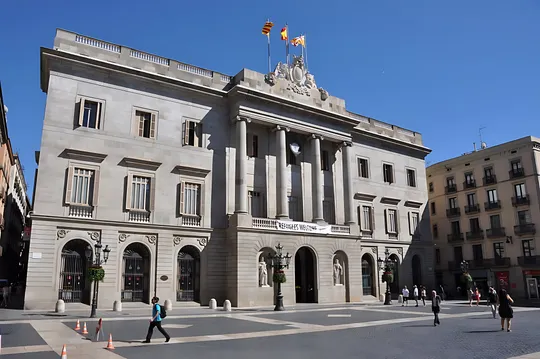
In response, the Republican Left of Catalonia (ERC) Municipal Group will formally ask Mayor Jaume Collboni’s administration to present an action plan before the next Ecology and Urban Planning Commission meeting. The proposal demands a full audit of all public housing units in Barcelona to assess thermal performance ahead of summer 2027. ERC councillor Eva Baró stressed that public housing must be "exemplary" in architectural quality, energy efficiency, and adaptation to climate change. She acknowledged that while aerothermal technology is efficient, factors such as building orientation, insulation, ventilation, and system sizing are critical to ensuring real comfort.
New Builds Must Be Tested Before Occupancy
The ERC motion also calls for mandatory testing of air conditioning systems in all new public housing developments before residents move in. This would ensure both functionality and affordability of operation, addressing resident concerns about high running costs and poor performance. Tenants at Illa Glòries have criticised the management by IMHAB, the city’s public housing agency, citing inadequate responses and administrative silence. Maria, a resident, said the support received so far "is not up to par with dignifying public housing in Barcelona". Some affected residents have contacted the Síndic de Greuges (Ombudsman of Catalonia), who is currently reviewing the case.
Public housing must guarantee not just roofs over heads, but real living comfort, especially as summers grow hotter.
With Barcelona experiencing record-breaking September temperatures, including 35.5°C recorded at Fabra Observatory, pressure is mounting on the city to protect vulnerable residents from extreme heat. The European-funded ISMED-CLIM project, led by Vall d’Hebron Research Institute, highlights the Mediterranean region warming 20% faster than the global average, increasing risks to public health. Residents affected by unresolved technical failures, including a recent three-day elevator outage at Block D that trapped disabled tenants indoors, warn that delays in repairs undermine the promise of dignified social housing.
Next Steps for Council
The City Council is expected to respond to ERC’s request during the upcoming commission session. Tenants and advocates are urging immediate corrective measures, particularly before the summer of 2027, to prevent further suffering during heatwaves.
Reported by beteve.cat, bandc.crccheck.com, vhir.vallhebron.com, betevé.