Monthly Pension Spending Doubles Since 2012
State spending on contributory retirement pensions in Catalonia has doubled over the past 14 years, rising from €970 million per month in September 2012 to €1,965 million in the same month of 2026, according to Social Security data cited by ACN. This increase far outpaces inflation, which has risen by approximately 33% in Catalonia over the same period, compared to a near 100% rise in pension expenditure. Annual spending in the region climbed from €12.816 billion in 2011 to €25.781 billion in 2025. Catalonia now accounts for 18.5% of total state retirement pension spending in Spain, ahead of the Community of Madrid at 15.1% and Andalusia at 13.9%.
Over 1.2 Million Pensioners, Average Payment €1,611
The rise is driven by both an increasing number of recipients and higher average payments. As of September 2026, Catalonia had approximately 1.22 million contributory retirement pensions, a 20% increase over the past 15 years. On average, about 14,000 new retirement pensions have been added annually over the last two decades. The average monthly retirement pension in the region stood at €1,611, up more than 66% over 15 years. This reflects both cost-of-living adjustments linked to the consumer price index (CPI) since 2022 and broader revaluations. Despite the high average, the median pension falls between €1,300 and €1,400 per month. Retirement pensions now represent 66.5% of the 1.82 million contributory pensions paid in Catalonia, up from around 60% a decade ago, and account for over 75% of total benefit spending.
Gender Gap Persists: Women Receive 33% Less
A significant gender disparity remains. Retired women in Catalonia receive an average of €1,276 per month, compared to €1,912 for men, a difference of 33.2%. This gap stems from historical wage inequalities, higher rates of part-time work among women, and career interruptions for caregiving. The average female pension is also 20.7% below the overall regional average. The typical retired pensioner is 76 years old, with nearly one-third of recipients aged over 80.
Pension Reserve Fund Reaches Highest Level in a Decade
The Social Security Reserve Fund, known as the pension pot, reached €15.267 billion in March 2026, its highest level in ten years. The fund had previously dropped to €5.043 billion in 2018 after years of deficit during Mariano Rajoy’s government. This recovery is partly due to the Intergenerational Equity Mechanism (MEI), introduced in the 2023 pension reform, which adds extra contributions to prepare for the retirement of the baby boomer generation. The government projects the reserve could reach €130 billion by 2040, with withdrawals beginning in 2032.
Long-Term Challenges Ahead
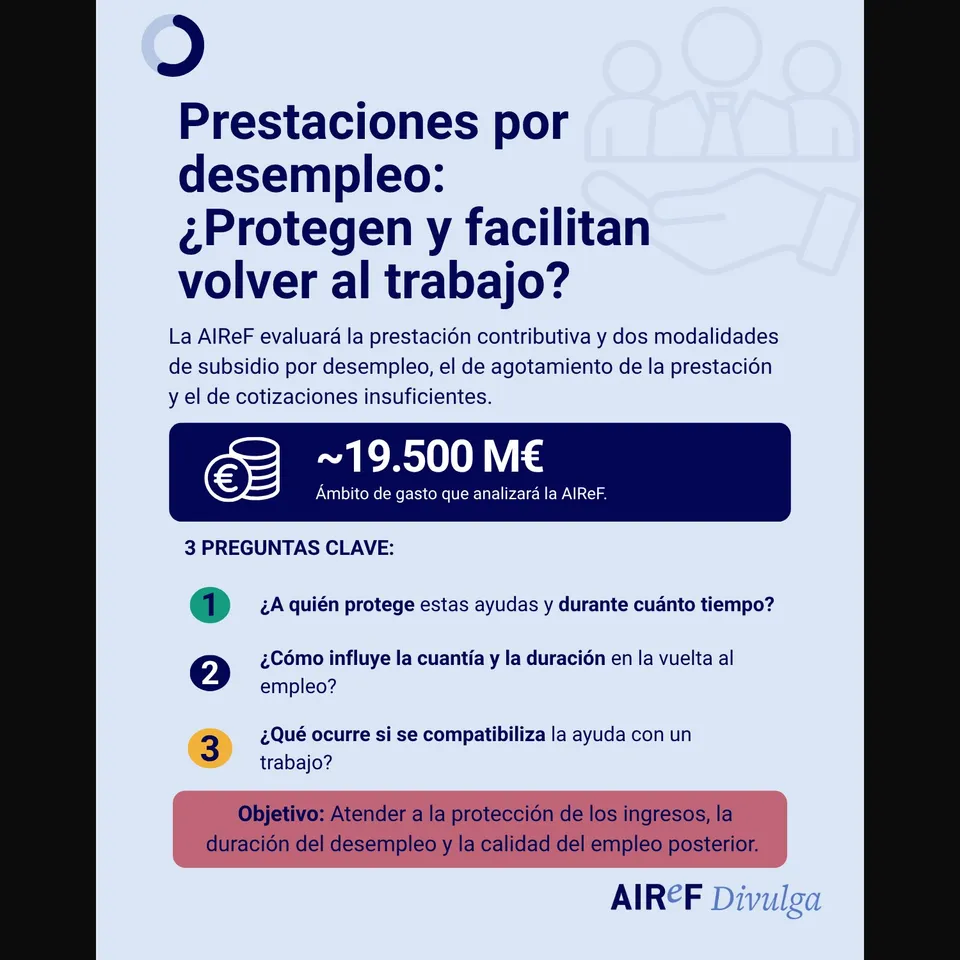
The Independent Authority for Fiscal Responsibility (AIReF) forecasts that pension spending will continue to grow, rising from 12.9% of GDP in 2023 to 16.1% by 2050. The number of pensioners across Spain is expected to increase from 11.3 million to 17 million. The dependency ratio, the proportion of people over 65 relative to those aged 20 to 64, could rise from 26.4% in 2023 to 48.2% by 2050, meaning nearly one retiree for every two working-age people. Demographic ageing and low birth rates make pension sustainability a key economic and social challenge. The debate gained momentum on Saturday 24 October 2026, as pensioner organisations held demonstrations in Madrid during the pre-election campaign.
Sources: El Periódico, Nació Digital (ACN), laciutat.cat.