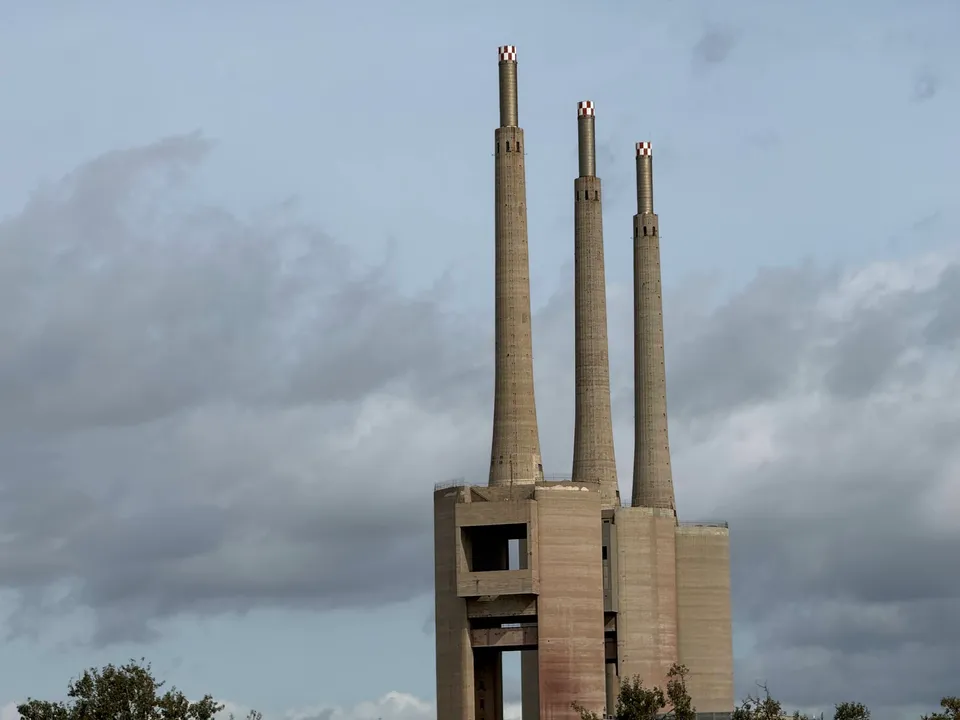
At least 1,783 new homes will be built in the Tres Xemeneies area on Barcelona’s northern coast, with construction set to begin in the third quarter of 2027, though no ground-floor housing will be permitted due to flood risks from the Besòs River. The development will span 32.3 hectares across Sant Adrià de Besòs (1,359 homes) and Badalona (424 homes), accommodating an estimated 5,000 residents once completed in the next decade. The project, approved by the Generalitat in 2023 under the Urban Development Master Plan (PDU), remains subject to a final ruling by the High Court of Justice of Catalonia.
Flood Protection Measures
A 2025 flood risk study, revised using updated hazard maps from the Catalan Water Agency (ACA), mandates that no homes be located on ground floors within the new residential zone. The report, prepared by consultancy TYPSA for the Consorci del Besòs, the body overseeing redevelopment, states that buildings must be constructed “in safe conditions” against potential flooding, with the requirement that “no homes are located on the ground floors” explicitly included. Residential blocks will be elevated between 5.30 and six metres above sea level, and basement and garage entrances will be raised 45cm above street level and fitted with watertight doors.
To manage extreme flood events, defined as those with a 1-in-100 or 1-in-500-year likelihood, the plan includes a levee, wetlands, drainage collectors, and two flood channels. Four major drainage pipes will be enlarged to increase their capacity from 40 to 307.86 cubic metres per second, significantly boosting water evacuation during severe overflow. The study estimates that without these measures, floodwaters could reach over one metre in height across streets near the site.
If actions are expanded by other administrations, the extent, duration, and frequency of floods can be reduced.
Evacuation and Warning Systems
Carrer Dolores Ibárruri will serve as the designated safe evacuation route, widened and elevated to between 6.30 and 6.60 metres to remain above projected flood levels. An early warning system, developed in coordination with the Directorate General of Civil Protection and the councils of Sant Adrià and Badalona, will feature acoustic and visual alerts, including illuminated panels and loudspeakers, activated during pre-alert, alert, and emergency phases. The system will restrict access to low-lying areas and direct residents to safe routes.
Despite the planned infrastructure, the study acknowledges that some areas outside the development may still experience flood depths exceeding 1.5 metres due to insufficient river channeling. Non-structural measures, such as height-based confinement in upper floors, will therefore remain necessary.
Unresolved Sea-Level Concerns
While the flood study focuses on river overflow, it does not assess the potential impact of rising Mediterranean sea levels on the neighbourhood. To date, no public analysis from the Ministry for Ecological Transition has been released on coastal evolution risks or necessary shoreline reconfiguration. Separately, concerns have been raised about the Rodalies train bridge over the Besòs, which may act as a barrier to floodwater; raising it could further reduce inundation risks, according to recent reporting.
Sources: El Periódico, Generalitat de Catalunya.