Public Spending on Housing '0.2% of GDP'
Carme Trilla, president of the social housing foundation Hàbitat 3, has described current public investment in housing as critically insufficient, stating that it amounts to just 0.2% of GDP, far below spending on education (4%) or health (7%). Speaking on the podcast Les claus de casa, produced by Nació and sponsored by the Metropolitan Strategic Plan of Barcelona (PEMB), Trilla said: "If people really knew the figures for housing in public budgets, they would cry." The observation is backed by data from the Consell Econòmic i Social de Barcelona, which reports that the Barcelona Metropolitan Area has over 2.2 million homes, with demand heavily concentrated in the urban core. Despite this, public funding remains minimal compared to other European countries.
Need for National Funding Mechanisms
Javier Burón, former Housing Manager for Barcelona City Council and now managing director at Navarre’s public housing company Nasuvinsa, argued that solutions exist beyond increasing debt. He proposed a national pact with companies and workers to pool contributions into a strategic housing fund, combining public and private resources. Burón also pointed to international models such as France’s 'Livret A' savings account, where returns on deposits are legally required to finance public housing. "There are instruments," he said, suggesting Spain could adopt similar mechanisms to redirect private savings toward social housing.
- Current residential policy spending is far below European benchmarks
- Barcelona’s rental supply has decreased while prices rise
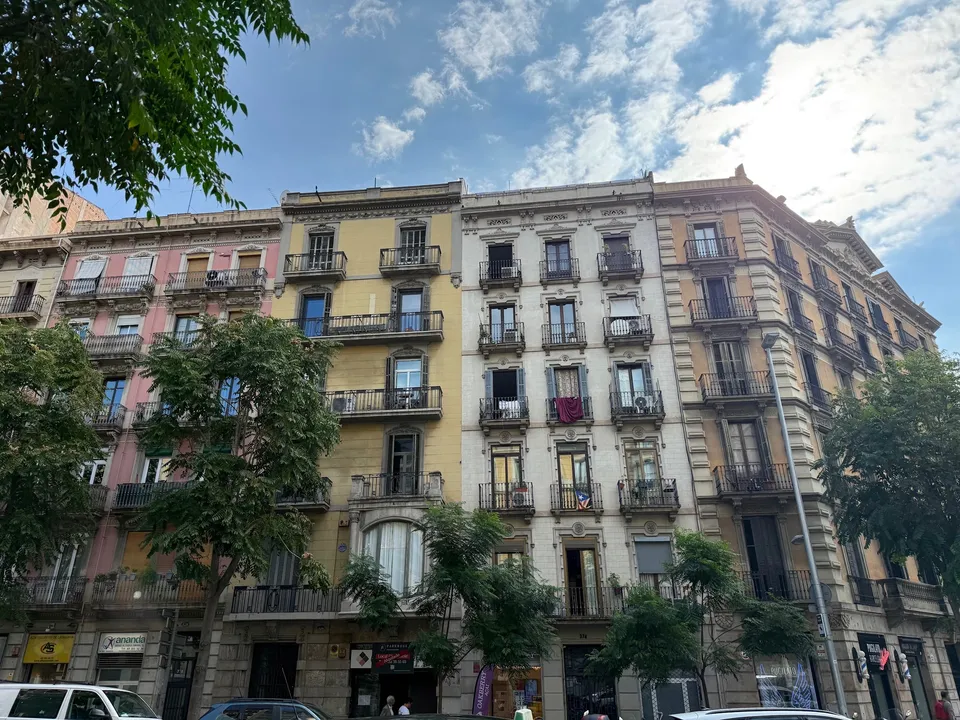
- Demand outstrips affordable supply, pushing lower-income residents to outer areas
Barcelona Seen as Pioneer in Reform
Despite the challenges, both experts believe the Barcelona Metropolitan Area could become the first region on the Iberian Peninsula to stabilise its housing crisis. Trilla highlighted the availability of strategic land and a growing number of non-profit developers as key assets. Burón attributed Barcelona’s potential leadership to a strong social, economic, and administrative fabric not seen in Madrid, Lisbon, or Seville. "There is a will," he said, "and we have had previous experimentation and knowledge of what is being done in Europe." However, he cautioned that progress will be neither fast nor easy, requiring sustained political will and investment over many years.
Sources: Nació Digital, Ajuntament de Barcelona.