City’s Infrastructure Held During Recent Storms
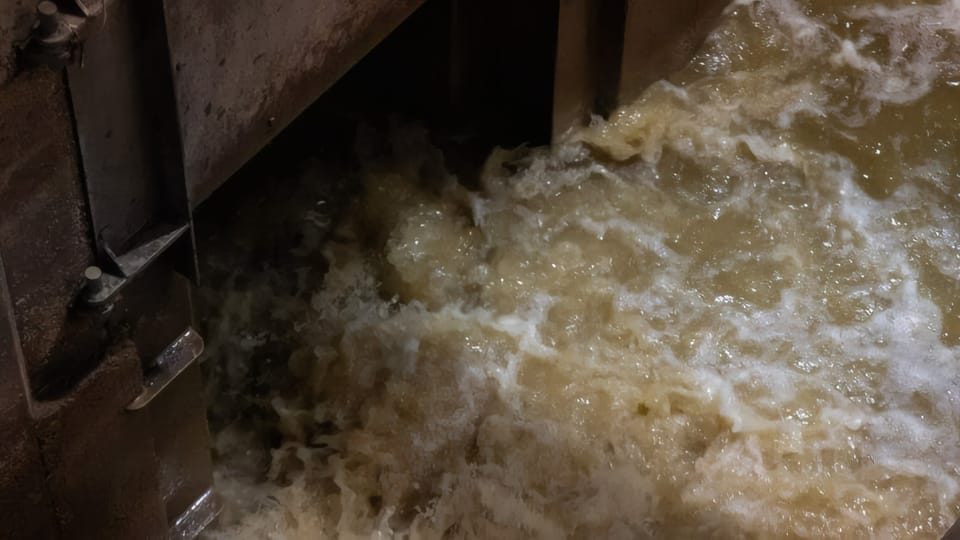
Following heavy rainfall on Tuesday, 29 September 2026, which filled Barcelona’s existing network of 15 rainwater tanks to an average of 90% capacity, with two reaching full capacity, city officials confirmed the drainage system performed as intended. A municipal spokesperson stated there is no cause for concern, affirming that the infrastructure effectively managed the stormwater and prevented widespread flooding.
Gustavo Ramon, operations director at Barcelona Cicle de l’Aigua (BCASA), told La Vanguardia that such intense rain events are rare, expected only once every several decades. He added that while the current system worked well, the city is preparing for more frequent extreme weather by expanding its retention capacity.
Four Tanks in Development, 29 Planned Citywide
The most advanced project is the Rambla Prim tank, currently under construction and scheduled for completion by the end of 2028. The Vallcarca tank is in the design phase, with work expected to finish in the second quarter of 2027. The Bac de Roda tank will begin preliminary design in November 2026, with a seven-month timeline, while the Motors street tank in Zona Franca remains at the study stage.
A fifth site in Bogatell has undergone preliminary geometric integration studies, indicating potential for future development. These four projects are part of a broader plan announced in September 2025 by the Barcelona City Council to build 29 new rainwater tanks citywide. Administrative steps are already underway to reserve land for these infrastructures.
The tanks are one of the measures in the Climate Plan to minimise the risk of flooding, protect assets and people and safeguard the city’s coastal and river ecosystem.
This expansion aligns with the Barcelona Master Plan for Comprehensive Sanitation (PDISBA) and the city’s Climate Plan. Once completed, the new tanks will increase total rainwater retention capacity by over one million cubic metres, tripling the current 447,020 m³ held across the existing 15 reservoirs.
Long-Term Protection Against Climate Impacts
- The upgrades aim to eliminate flood risk from rainfall with a ten-year return period.
- Flood risk from extreme rain events (up to 500-year return periods) will be halved.
- Beach and coastal pollution from sewer overflows during storms will be significantly reduced.
Since the last tank, Rieres d’Horta, opened in February 2013, no new reservoirs have been completed. The upcoming construction marks a renewed push to adapt Barcelona’s urban infrastructure to the growing challenges of climate change.
Primary sources: Barcelona City Council. Reported by lavanguardia.com, La Vanguardia Barcelona.