The Barcelona metropolitan motosharing network has completed two years of operation, recording 6.1 million trips by the end of September 2026, as Metropoliabierta reported. Launched in late October 2024, the service now covers eight municipalities: Barcelona, L'Hospitalet, Badalona, Santa Coloma de Gramenet, Sant Adrià de Besòs, Esplugues, Sant Feliu, and Sant Just Desvern.
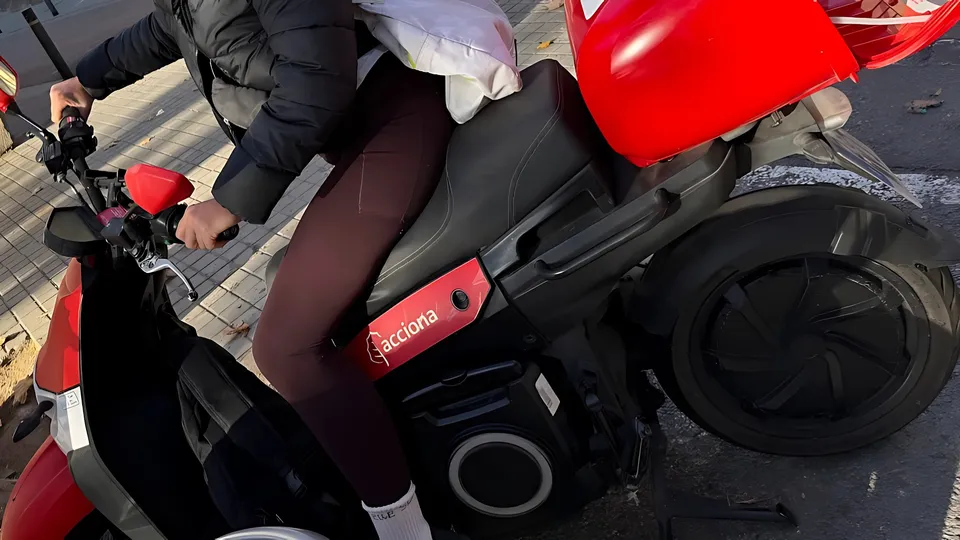
Currently, the fleet consists of 5,950 electric motorcycles, with 2,050 operated by Yego, and 1,950 each by Cooltra and Acciona. Daily usage exceeds 11,000 trips, concentrated between 17:00 and 19:00. The average journey spans 3.2 kilometres and lasts 13.2 minutes, typically taken by men aged 25 to 45.
Metropolitan Regulation and Public Space
The regulation prioritises public space for pedestrians and improves road safety, while enabling real-time data for decision-making.
Lorena Zurrón, Sustainable Mobility Engineer at the Àrea Metropolitana de Barcelona (AMB), told Metropoliabierta that the expansion beyond Barcelona’s city limits has strengthened urban mobility. She highlighted the benefits of public-private collaboration in managing shared transport and ensuring user safety.
What It Means for Users
The service is expected to grow further, with a planned expansion of 10,000 additional vehicles within 40 days. Residents can monitor updates via the AMB’s official mobility portal for access, pricing, and zone changes.
Sources: Metrópoli.