BCN Content Factory, in collaboration with nextllobregat.cat and La Vanguardia, has released "Estiu al Baix 2026 Next Llobregat." This new monographic publication positions the Baix Llobregat region and L'Hospitalet as central to Gaudí Year 2026 and the World Capital of Architecture.
The 500-page work promotes a metropolitan perspective extending beyond Barcelona. It highlights the area south of the city as a key location for Modernisme, industrial architecture, Roman heritage, and contemporary creation. The publication also features the region's agricultural produce, local nature, and gastronomy for day trips.
Highlighting Architectural Heritage
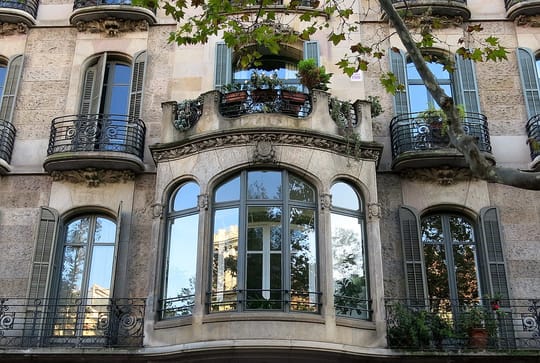
The Colònia Güell Crypt, an unfinished work by Antoni Gaudí, forms a central part of the narrative. It symbolises the comarca and is critical for understanding Gaudí's architectural evolution. The publication includes reports recovering the figure of Eusebi Güell through an interview with his great-granddaughter. It also discusses the role of La Rajoleta in Esplugues in Modernista ceramics and Josep Maria Jujol's legacy in Sant Joan Despí. Additionally, it covers the heritage of Sant Feliu, Cornellà, and Sant Boi, alongside the restoration of the Roman arch of Pont del Diable in Martorell.
This collection, directed by journalist Joan Carles Valero, offers a cultural and tourist reading of the territory. It presents the Baix Llobregat as a sustainable, less crowded alternative for visitors. The region offers heritage routes, unique spaces, and a distinct architectural identity. L'Hospitalet and the comarca claim their role as a metropolitan co-capital of architecture, uniting memory, urban innovation, and future prospects.
A Metropolitan Food Hub
The gastronomy chapter champions the Baix Llobregat as a metropolitan larder, with the Parc Agrari playing a central role. This fertile area, surrounded by infrastructure and urban pressure, continues to supply Barcelona with fresh produce. However, it faces significant threats, including a lack of generational replacement and difficulties in making agricultural work profitable. The comarca promotes unique products such as Gavà white asparagus, El Prat artichoke, Pota Blava chicken, Baix leek, and local Montserrat oils. These items are more than just food; they represent the territory, agricultural memory, and municipal pride. Local restaurants support this defence of local produce. The Sabors de l'Horta network, with its 38 establishments, exemplifies proximity cuisine linked to the land's rhythm.
Castelldefels becomes the Spanish gastronomic capital this summer, hosting the first edition of The Food Capitals Summit. This event gathers delegations from 27 cities across 20 countries. It also pays tribute to Ferran Adrià with a star on the seafront promenade of the municipality where he began as a dishwasher. L'Hospitalet gains importance in culinary training with the Barcelona Culinary Hub by Martín Berasategui. Esparreguera excels in creative pastry inspired by Gaudí, and Argentine cuisine integrates fully into local consumption. The chapter presents a Baix Llobregat that residents eat, cultivate, and defend.
Sustainable Tourism and Natural Spaces
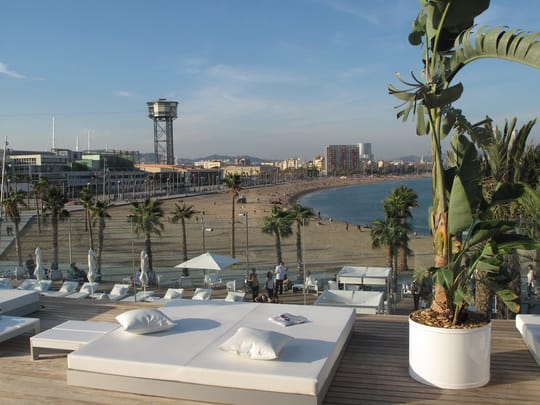
The monographic shows the Baix Llobregat as a great local destination for metropolitan summer tourism. Beaches, parks, municipalities, hotels, shops, gastronomy, and heritage create a diverse offering. The region asserts itself as more than just Barcelona's periphery. The coastline is a primary focus, with beaches increasingly used as social and climatic refuges. However, these areas are also more vulnerable to storms, sand loss, and environmental pressure. Castelldefels, Gavà, Viladecans, and El Prat offer spaces where swimming, sports, nature, and family tourism coexist. Nature gains prominence with metropolitan parks, Collserola, the Llobregat Delta, and the Parc Agrari. These are now essential green infrastructures against heat, overcrowding, and climate change.
"Estiu al Baix 2026" also explores municipalities connected by the FGC Llobregat line. Each station serves as a gateway to discover places like Cornellà, Sant Boi, Sant Just, Sant Vicenç dels Horts, or Pallejà. These towns offer short, sustainable getaways thanks to their heritage, urban routes, gastronomy, and public transport connections.
Economic Growth and Sports Initiatives
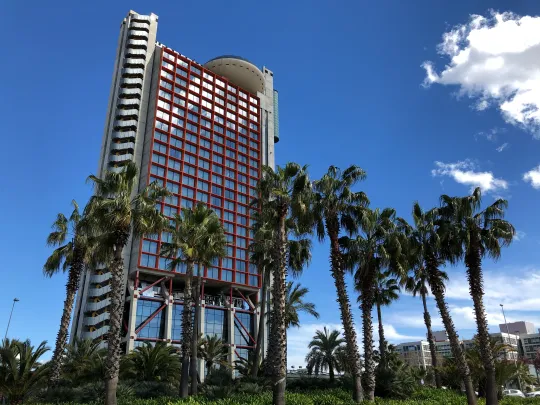
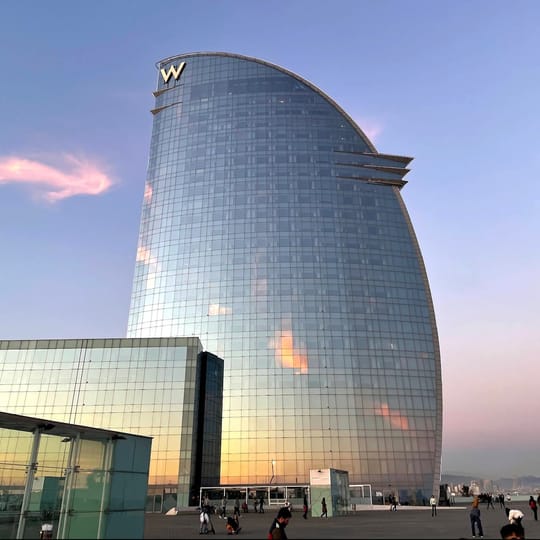
Simultaneously, the comarca transforms economically. New hotels are opening in Esplugues, glamping sites appear along the coast, and shopping centres undergo renovation. El Prat Airport has become a major consumption space, and the Port de Barcelona acts as an environmental innovation laboratory. The Baix Llobregat thus emerges as a nearby destination, a green refuge, a leisure space, a commercial hub, and a new metropolitan centre. The publication also addresses the territory's growing tourist, audiovisual, and economic weight. The coastlines of Gavà, Castelldefels, Viladecans, and El Prat present themselves as Barcelona's new Mediterranean facade. This area is more exclusive, better connected to the airport, and attracts luxury hotel investments, such as the future Hotel Club de Mar in Gavà Mar.
The Baix Llobregat also establishes itself as an audiovisual set. Castelldefels projects an image linked to summer and cinema. El Prat strengthens its role as a setting for national and international productions. Cornellà hosts the filming of "El director," and L'Hospitalet appears in "Hermanos," the new film by the Rodríguez Colás sisters. This film explores youth, periphery, migration, and identity. The heritage perspective completes with the documentary "Camí Ral. La ruta olvidada." This film recovers an ancient connection route between Barcelona, Baix Llobregat, and southern Catalonia. It offers opportunities for hiking, local tourism, and territorial self-esteem. In sports, the Baix Llobregat and L'Hospitalet use sport as a driver of identity, mobility, and metropolitan projection. Cycling is a major theme. The passage of the Tour de France 2026 places the comarca on the international stage. It reinforces its potential as a cycle-tourism destination, with routes connecting the river, coast, Garraf, Collserola, and Montserrat. The commitment to sustainable mobility includes new infrastructure, such as the cycle lane connecting Esplugues with Barcelona via Diagonal. This lane integrates into a Bicivia network aiming to exceed 550 metropolitan kilometres. The sports section also highlights strategic facilities. The Canal Olímpic de Castelldefels remains open to elite athletes, schoolchildren, families, and businesses. RCD Espanyol promotes Club 1900 in Cornellà-El Prat to use football as a platform for business and social relations.
A Recognised Sustainable Destination
Javier González, Tourism Councillor for the Baix Llobregat Comarcal Council, confirmed the region's recognition. He stated, "The comarca has received the Intelligent Tourist Destination distinction, which certifies a strategy based on governance, sustainability, accessibility, innovation, and technology, valid until January 2028." Additionally, the Diputació de Barcelona and the Cambra de Barcelona awarded the "Commitment to Tourist Sustainability Destination Barcelona" distinction to 116 Baix Llobregat businesses. They also recognised 111 tourist agents as Tourist Information Points. Sustainability is no longer an extra; it is a critical condition for maintaining tourist activity without harming the territory. This approach incorporates social, economic, and environmental impact. It is particularly necessary in an area like the Baix Llobregat and L'Hospitalet, where coastlines, natural spaces, fair activity, hotels, restaurants, heritage, and metropolitan mobility coexist. The publication ultimately presents the Baix Llobregat as a close destination, a green refuge, a leisure space, a commercial hub, and a new metropolitan centre.
Come and join our Barcelona English Speakers community on WhatsApp.
Originally published by La Vanguardia Catalonia. Read original article.