93.8% of graffiti reports resolved within seven days
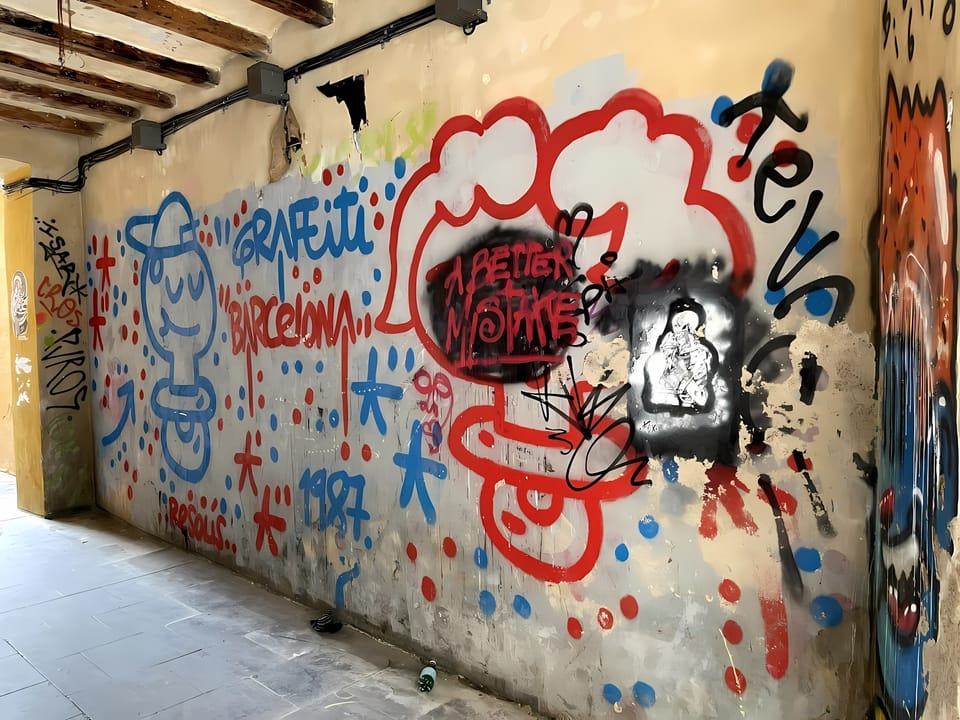
Barcelona has reduced the time it takes to remove graffiti from public spaces, with 93.8% of resident reports now resolved within seven days or less, according to municipal data for the first eight months of 2026. Two years ago, the average response time was up to 30 days, the city council said in a statement released on Friday 2 October. The improvement is attributed to increased resources and better planning under the Pla Endreça (Tidy Up Plan), overseen by Deputy Mayor for Urbanism, Climate Action, Mobility, Neighbourhood Plans, and Urban Services, Laia Bonet.
Sharp decline in graffiti recurrence and fines
Cleaning crews carried out 82,861 graffiti-related cleaning operations in the first eight months of 2026, cleaning a total of 222,087 square metres of surfaces across the city. Municipal services also managed nearly 8,000 citizen complaints during this period. The city council reports that the recurrence rate of graffiti in high-incidence areas has dropped to around 2%, down from 15%–20% recorded at the start of the current cleaning contract in early 2024. This is due to both resident reports and regular preventive checks in problem areas. Between 15 February and 30 June 2026, 103 fines were issued for graffiti and other unauthorised markings, a 23.1% decrease compared to 134 fines in the same period in 2025.
The new working model has helped bring about a significant reduction in the indicators compared to 2024.
The Public Space Audit system, active since July 2025, has generated 911 actions based on detected incidents in 2026, with 470 interventions carried out in the last five months of 2025.
Specialist cleaning for heritage buildings
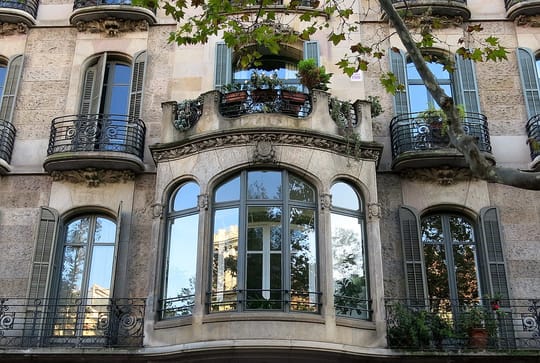
A dedicated protocol applies to heritage buildings with B and C-level cataloguing. So far in 2026, 3,619 cleaning operations have been carried out on these facades, covering 11,075 square metres. Four specialist teams work Monday to Friday using techniques tailored to materials, including low-pressure recycled glass microspheres, hydro-pressure, and biodegradable stripping agents. After cleaning, surfaces are assessed and, where necessary, treated with glazes to restore appearance. A water-based anti-graffiti protection can also be applied to prevent future damage and ease removal. A focused operation on Gaudí’s heritage sites involved over 2,200 interventions across 140 workdays, cleaning 1,850 square metres of affected surfaces.
Preventive and event-based cleaning
Preventive checks have been carried out across recurring graffiti zones, public buildings, infrastructure, and all 41 municipal markets during the first half of 2026. Additional operations were deployed during major events including the Tour de France, the Pope’s visit for Gaudí Year, and the Goya Awards Gala.
Primary sources: Barcelona City Council, ajuntament.barcelona.cat, Ajuntament de Barcelona, barcelona.cat, bcnroc.ajuntament.barcelona.cat. Reported by elperiodico.com, beteve.cat, lavanguardia.com, barcelonaaldia.com, El Periódico Barcelona.