Plenary Vote Approves Restructuring
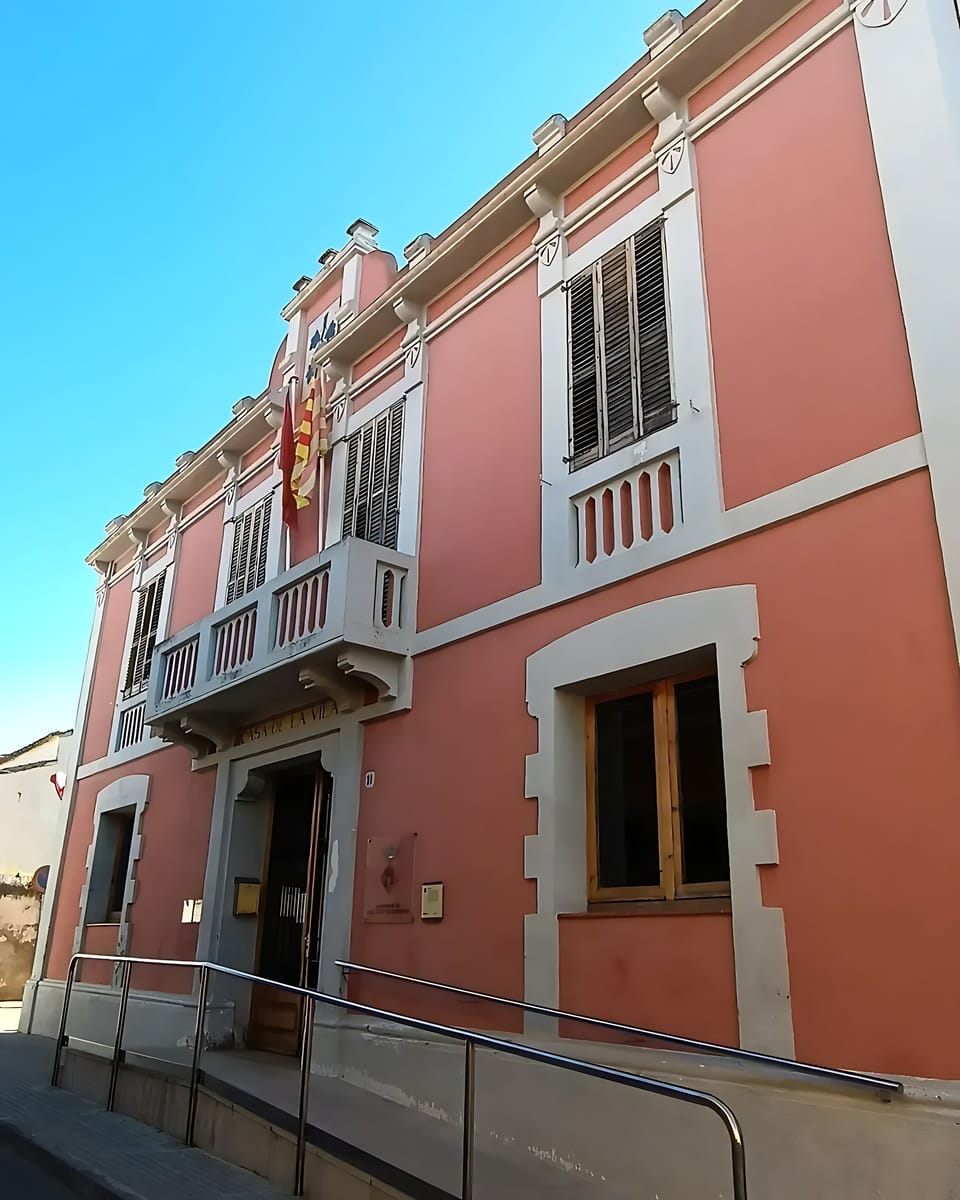
Sant Cugat City Council has approved a restructuring that creates two new deputy director positions in its technological division. The posts, Deputy Director of Information Systems and Technological Infrastructures and Deputy Director of Process and Data Technology, will be freely appointed by the municipal government and are not restricted to civil servants. The change replaces the current civil servant roles of Head of Service for Information Systems and Head of Service for Process and Data Technology. According to the council’s official communications, the new positions will carry a gross annual salary approximately €10,000 higher than the outgoing roles [source]. The proposal was approved during a municipal plenary session, backed by the governing coalition of Junts and Esquerra Republicana (ERC), with votes against from PSC, CUP, Vox, and En Comú Podem. The PP abstained. The decision followed four negotiation sessions between July and September with union representatives, though no agreement was reached, with the majority union opposing the move.
Government Justifies Change to Attract Talent
Carles Brugarolas Conde, First Deputy Mayor for Economy, Knowledge, and Organisation (Junts), defended the reform as essential to modernise the council’s technological capabilities. He stated the administration had been "very far behind in the technological field" and argued that the current civil service recruitment model hindered its ability to attract and retain skilled professionals. "It is a very specific field, which requires a lot of updating and is highly competitive in the market," Brugarolas said, adding that opening the roles to external, freely appointed candidates would allow the council to "expand the perimeter" of eligible applicants. He reaffirmed the council’s commitment to professional management, stating that appointees are not selected based on political affiliation: "They are not asked who they vote for, where they come from, or if they have been politically active."
According to official council documents, the broader reform includes a reduction in political appointees (càrrecs eventuals) over time, as professional management roles are filled through open selection [source]. However, provisional appointments have temporarily increased the cost of political staff.
Opposition Raises Concerns Over Discretion and Cost
The PSC spokesperson, Elena Vila, questioned the legal basis for removing these roles from the civil service framework and warned the change could limit internal promotion opportunities for existing municipal workers. She stressed that certain technical roles should remain within the public service. Álvaro Benejam, PP spokesperson, acknowledged the benefit of accessing external talent but called for stronger guarantees in the selection process, citing past appointments that lacked objectivity. Marco Simarro, CUP councilor, urged the council to "trust the people we have at home," advocating for internal promotion and training. He also criticised the timing of the change, noting it comes months before municipal elections, and estimated the total annual cost of the management structure at around €1.7 million.
Vox spokesperson Marcos Rodríguez rejected the shift from merit-based competitive exams to free appointment, calling it incompatible with public service principles.
Ramon Gutiérrez, spokesperson for En Comú Podem, described the move as a "de-civil servantization" of command positions. He opposed the urgency of the proposal and the lack of union agreement, warning it "opens the door to more discretion" in job appointments.
Digital policies are necessary, but they are not built by replacing professional managers with free appointment.
, Ramon Gutiérrez, En Comú Podem
Primary sources: Diputació de Barcelona, premsa.santcugat.cat, assets.cugat.cat. Reported by totsantcugat.cat, seu-e.cat, TOT Sant Cugat.