Population and Housing Growth
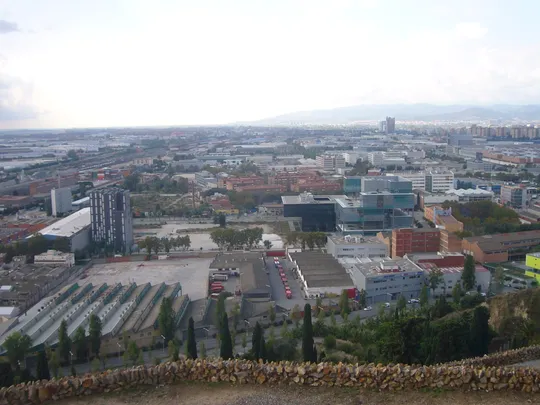
The Llobregat Delta, a densely developed area southwest of Barcelona, is projected to grow by 115,000 residents, a 33.2% increase, reaching 461,000 inhabitants by 2050, according to the Metropolitan Urban Master Plan (PDUM). The region, which currently has 137,000 homes, will also see 53,000 new dwellings built, bringing the total to 190,469. This expansion comes despite municipalities like Castelldefels stating they have nearly run out of available land for development. The seven municipalities in the delta, Sant Boi, Viladecans, Gavà, El Prat, Castelldefels, Sant Feliu de Llobregat, and Sant Vicenç dels Horts, already house 346,000 people and generate around 4% of Catalonia’s GDP. Over the next decades, urban development plans in the five largest cities alone will add more than 15,000 new homes.
Mobility Under Pressure
The PDUM warns that current public transport systems are already strained during peak hours, particularly the bus services linking the delta to central Barcelona. In recent years, increasing reliance on buses has been driven by service improvements on those routes and the inconsistent reliability of Rodalies (Catalonia’s commuter rail network). As a result, some bus lines are now more crowded than anticipated. The PDUM forecasts a 44% rise in total trips across the region by 2050, with interurban bus journeys expected to surge by 180%. To address this, the plan proposes major infrastructure upgrades, including the creation of a "delta metro" running parallel to the C-245 road from Cornellà to Castelldefels, doubling the R2 Rodalies track between El Prat and Castelldefels, and extending metro lines L1 and L10. However, these projects remain in the study phase.
Economic Expansion and Innovation
The Llobregat Delta is increasingly recognised as an economic hub, supported by its proximity to Barcelona-El Prat Airport, the Fira exhibition centre, and the city itself. The PDUM describes the area as a "key functional area for the new economies of the metropolitan area", with around 30% of local employment now in high-tech sectors. Gavà, Viladecans, Sant Boi, and El Prat are defined as "innovation hubs" focused on the bioeconomy, information and communication technologies (ICT), sustainable mobility, and Industry 4.0. The region currently supports just over 150,000 jobs, a figure expected to rise to nearly 200,000 within 25 years.
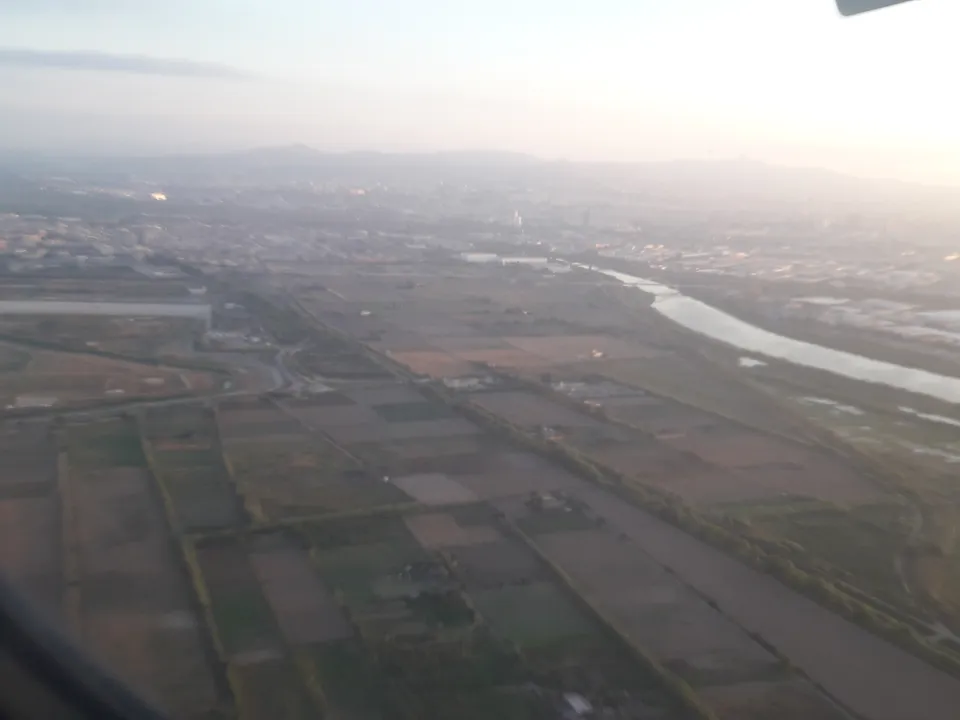
The delta combines protected natural spaces, agricultural land supplying local produce, industrial estates, and urban centres. As growth accelerates, the pressure on these coexisting land uses intensifies, making integrated planning essential.
Sources: El Periódico, Rodalies de Catalunya.