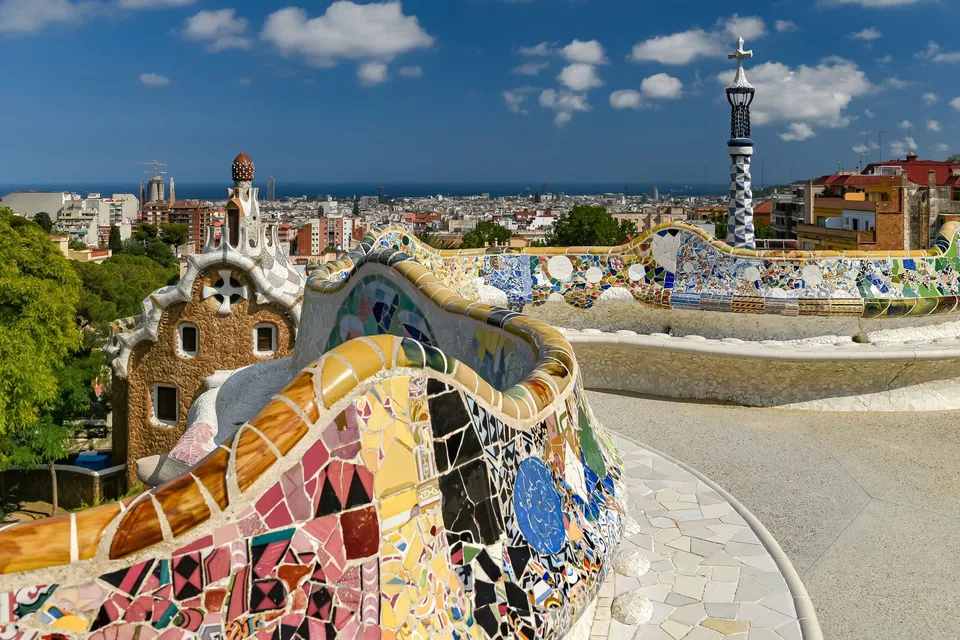
Record Revenue from Park Güell
Park Güell, the Antoni Gaudí-designed garden in the La Salut neighbourhood, generated 66.3 million euros in revenue in 2025, surpassing for the first time the 40 million euros collected from Barcelona’s blue and green surface parking zones. The figures were published on Sunday 29th November 2026 by La Vanguardia, citing financial data from municipal operator BSM and the Ajuntament de Barcelona’s 2025 budget liquidation report. The 83.5% revenue increase from the previous year followed a ticket price rise from 10 to 18 euros on 1st January 2025. Despite the hike, visitor numbers dropped to 4,367,412 in the financial year, down from pre-2013 levels of nine million. Since the site’s enclosure in October 2013, ticket sales have brought in a cumulative 286 million euros for BSM (Barcelona de Serveis Municipals), the city-owned company managing the site.
Municipal Finances and Investment
BSM closed 2025 with a record profit of 25.9 million euros, up from 19.2 million in 2024. However, these earnings do not feed into the city’s ordinary budget and cannot be used for projects like La Rambla renovations or the Pla Endreça housing plan. Instead, BSM operates as a unified treasury, using profits to offset losses in other municipal companies and fund urban improvements. Between 2020 and 2026, BSM will have invested 186 million euros across the city, including upgrades at Park Güell, modernisation at Port Olímpic, a new attraction at Tibidabo amusement park, and enhancements at Barcelona Zoo and Olympic Ring facilities. This follows 70 million euros invested between 2014 and 2019. The Ajuntament de Barcelona closed 2025 with a 96.4% budget execution rate and 654 million euros in investment, marking one of the highest investment years in recent history. The city recorded a surplus of 51.8 million euros, or 1.4% of the total budget, maintaining financial stability under national fiscal rules.
Access Rules Tightened for Residents
In March 2026, the city adjusted access rules after detecting misuse of the Gaudir Més platform, which offers free entry to Barcelona residents. The Park Güell option was removed from the portal, and resident ticket requests are now processed exclusively through the park’s official website, requiring proof of empadronamiento (municipal registration). Despite lower visitor numbers, residents in La Salut continue to report mobility issues and overcrowding. City agreements between the PSC and ERC aim to further reduce annual visits to four million by 2027.
Broader Revenue Context
While Park Güell’s 66.3 million euros now exceeds parking revenue, it remains below other major income sources: the IBI property tax brought in nearly 760 million euros, capital gains tax (plusvalía) 150 million, and the tourist tax 110 million. Other BSM assets include markets (32.8 million via a 51% stake in Mercabarna) and the Olympic Ring, which saw a 25.4% revenue increase to 27.6 million euros. Barcelona Zoo earned 9.3 million euros in 2025, up one million from 2023, while Tibidabo, celebrating its 125th anniversary in 2026, reported a turnover of 17.4 million euros, slightly down from 2024. Culture, leisure, and nature revenues within BSM rose 37.4% in 2025, driven by Park Güell’s performance. The site also strengthened community ties by hosting events during La Mercè festival and participating in 3Cat’s La Marató and the city’s Christmas lights switch-on, according to BSM’s 2025 audit report.
Sources: La Vanguardia, Ajuntament de Barcelona.