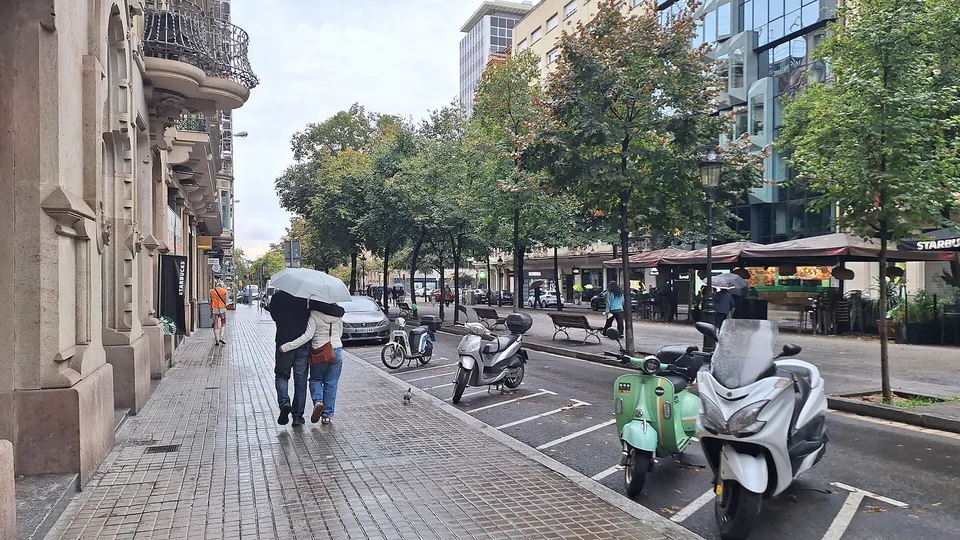
Rain seldom brings Barcelona to a standstill, though it does alter the way you get around. Rather than battling the weather by trekking between distant sights, the wisest wet-weather approach is to anchor your day in a single neighbourhood, keep a metro line within easy reach and pick venues where an hour or more can pass indoors without any sense of hurry. In practice that points to museums, covered markets, historic interiors, shopping streets with ample cover and a handful of sensible local standbys that residents themselves rely on.
For newcomers to Barcelona, a common error in heavy rain is to make for the seafront old town, only to find that plenty of its streets, attractive as they are, offer little shelter. When it is wet, Eixample, sections of El Raval, Sant Antoni and Glòries tend to be simpler to get around. Pavements there are broader, metro connections are direct and there are more places to step inside when the downpour intensifies.
Pick one museum zone, not five separate sights
Barcelona's museums work best when you approach them neighbourhood by neighbourhood, and Montjuïc is a case in point. When the rain is light, you can base yourself at Espanya and still move between the large indoor cultural venues, with only brief spells outdoors. This suits anyone planning to spend half a day or more in a single area. The drawback is that the hill offers little shelter in wind and heavier rain, so wearing sensible shoes is advisable.
Ciutat Vella offers a different sort of museum itinerary for wet days. Across El Raval and the Gothic quarter of the centre, it is possible to pair one large museum with churches, cloisters, cultural centres and coffee stops while staying close to cover. This tends to suit anyone who wants architecture as much as exhibitions. The streets can be slippery, however, particularly where older paving stones retain water.
For those seeking a more family-oriented and accessible option, Glòries is frequently a sensible choice. Metro and tram links are good, shopping centres provide additional indoor alternatives, and the broader streets feel less hectic when umbrellas are out. For families with children, this area of the city is often simpler to manage than the most densely packed parts of the old centre in poor weather.
Ticket prices for major museums in Barcelona commonly fall somewhere around the low teens to the twenties in euros, depending on the exhibition and whether you book ahead. It is worth checking official sites the same morning, especially in high season or on weekends, because rainy days push more people indoors and timed entry can sell out.
Sheltered markets are the place to head for a lunch out of the rain and to pick up everyday essentials
A rainy day is a good excuse to use Barcelona’s markets the way locals do, as practical neighbourhood anchors rather than quick photo stops. Covered markets in areas such as Sant Antoni, Sants, Gràcia and Barceloneta can give you a very Barcelona afternoon without the pressure of doing formal sightseeing. You can shop for produce, have a simple lunch, pick up bread or pantry basics and wait out the worst of the weather.
Pick a market in a neighbourhood you were already hoping to wander around: that is the handiest way to go about it. Sant Antoni suits this well, since its grid is straightforward to get around and plenty of indoor or partly covered choices sit close by. Gràcia, the neighbourhood with a village atmosphere, has narrower streets linking the stops, and those can become crowded beneath umbrellas. Sants is a practical option with fewer tourists, which makes it a good fit if you want to observe everyday life outside the central postcard districts.
When it comes to keeping food costs down, market lunches remain among the better-value choices in the city, although prices differ considerably. A basic coffee and pastry might cost just a few euros, while a sit-down lunch can soon climb into the mid-range. On rainy days, queues often build earlier than you might anticipate, so arriving ahead of the main lunchtime rush generally makes for a calmer visit.
Choose indoor Barcelona that locals actually use
When the weather turns, a museum is not the only option. Barcelona has plenty of indoor places that make everyday city life easier. Public libraries are among the most underused, particularly if you want a quiet hour, a dependable seat or some distance from the busiest central areas. You do not have to borrow anything: many library buildings are worth a visit in their own right for their architecture or their reading rooms.
For city residents, cinemas that screen films in their original language are another solid option, especially when you want an evening plan that does not hinge on the weather improving. If you are still finding your feet in Barcelona, a film plus a quick dinner close by is often a better wet-evening routine than trying to make things up as you go around crowded bars in the centre.
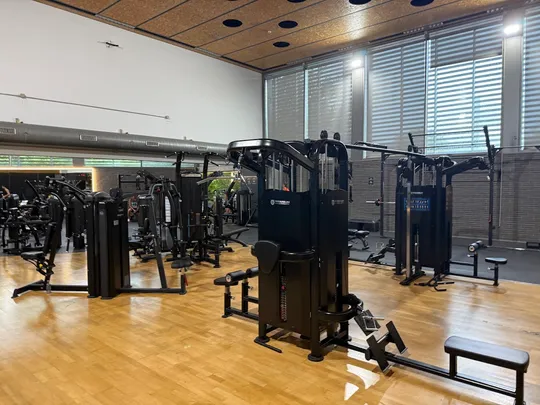
For a lengthier break, indoor pools, spas and thermal circuits can offer unexpectedly good value when set against a whole day spent eating and drinking your way through poor weather. Prices differ considerably, ranging from fairly affordable municipal sports centres to pricier venues with a wellness focus. If you are a local, it is worth checking your neighbourhood sports centre first, since these facilities can often be the most practical choice, without the premium atmosphere or the premium price tag.
Shopping centres may not be the most exciting suggestion, yet they serve a purpose. In districts such as Glòries, Les Corts and sections of Diagonal, a single site brings together toilets, places to eat, supermarkets and transport links. For anyone with children, mobility issues, or simply in need of an easy option after a morning of outdoor plans falling through, that can make a real difference.
Build a wet-weather route by metro
When it rains, the metro counts for more than any map. Lines that offer straightforward changes and quick station exits can spare you considerable bother. L1 is especially handy for connecting key areas including Plaça d'Espanya, Universitat, Urquinaona and Glòries. L3 makes it easy to travel between Paral·lel, Passeig de Gràcia, Diagonal and Les Corts. For those staying beyond the centre, FGC services can also provide a comfortable alternative to slow buses stuck in traffic.
Buses remain a practical option, though heavy rain can make journey times harder to predict. If buses are part of your plan, it is worth identifying an alternative stop or metro station in case a route runs late. Taxis and ride-hailing services tend to be in shorter supply just as the rain begins, particularly around school-run and office-leaving times. If you expect to need one, book slightly ahead of the main rush.
One small local tip: carry shoes with grip. Some of Barcelona’s smooth paving, station entrances and older stone surfaces become slick quickly. Umbrellas are fine for light showers, but in windy bursts near the coast a hooded waterproof is often more useful. If you are house-hunting or doing admin around the city, keep paper documents sealed, because sudden downpours are common and many errands still involve carrying physical paperwork.
Best rainy-day combinations by area
A straightforward approach is to combine a main activity with a practical stop and a food stop, all within one district. In Eixample, this could be a museum or cinema, followed by a covered passage or department store, and then lunch close by. In Sant Antoni, the market could be paired with a cultural stop and a café break. In El Raval, pick a single major indoor attraction and allow time to slow down, since attempting to fit in too much during wet weather tends to become tiring quickly.
For families, Glòries and Les Corts tend to be the least stressful picks, since indoor attractions are grouped more conveniently and getting around is simple. Those after a classic Barcelona atmosphere despite the rain can still head to the old centre, provided they accept a slower pace and build in regular indoor stops. For residents, the wisest approach is usually the least dramatic: choose a neighbourhood close to home, visit the market, settle in for a long lunch or a film, and let the city carry on until the clouds clear.
Barcelona rewards walkers, but when it rains a different approach to exploring pays off. Keep the route tight, make good use of the metro and plan in neighbourhood blocks rather than a citywide checklist. You will lose less time, stay drier and often end up encountering a more practical, more liveable side of the city.
Next read: Christmas in Barcelona: markets, caga tió and what opens · Free things to do in Barcelona every weekend · Barcelona Christmas markets open 27th November