One Year Since Outbreak Began
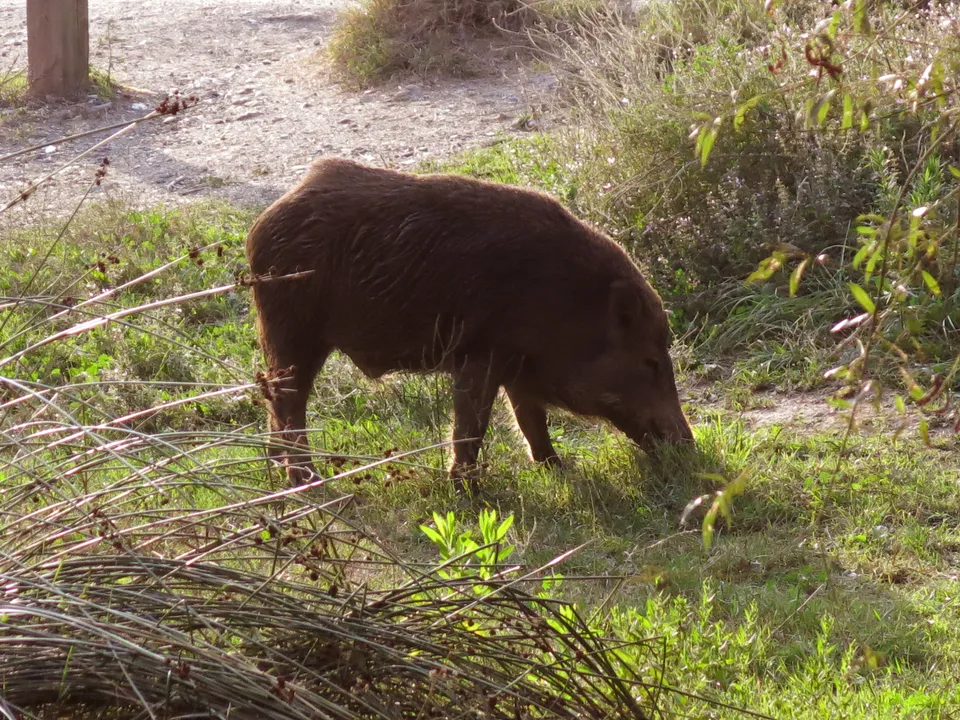
On Wednesday 26th November 2025, two wild boars were found dead near the Autonomous University of Barcelona (UAB) in Bellaterra. Two days later, in November 2025, the Ministry of Agriculture confirmed they had died from African swine fever (ASF), marking the disease’s return to Spain after 31 years. As of today, Saturday 28th November 2026, exactly one year has passed since the first confirmed cases, a key milestone, as Catalonia must go a full year without detecting a new infected wild boar to begin official recovery procedures. The Catalan government, known as the Generalitat, has since conducted a large-scale operation to contain the virus. To date, 19 municipalities remain in the high-risk zone, more than 15,318 wild boars have been captured, and 16,000 tested, with 448 returning positive for ASF.
Heavy Economic Losses
According to a report by Unió de Pagesos seen by La Razón, the cumulative financial losses for livestock farmers in Catalonia have reached 264 million euros since the outbreak began. Nationally, the figure stands at 1 billion euros. Other agricultural groups, including JARC, estimate regional losses at up to 400 million euros. The crisis has driven pork prices down by 23.3% compared to 2025, with the average price at Mercolleida, Spain’s main pork wholesale market, now at 1.21 euros per kilo. At the same time, production costs have risen by 0.3% to 1.37 euros per kilo, resulting in a loss of around 16 cents per kilo produced. Farmers are losing approximately 18.43 euros per live pig, with some estimates reaching 38 euros per animal, depending on feed and energy costs.
"This is not over. We still need to eliminate all the wild pigs in the perimeter closest to ground zero,"
, Rosendo Saltiveri, head of the pork sector at Unió de Pagesos Pere Roqué, president of Asaja Catalonia, said early action should have focused entirely on culling wild boars to prevent spread and protect one of Spain’s most powerful agricultural sectors.
Export Bans and Market Pressure
A major factor behind the price collapse has been the suspension of Spanish pork exports to key international markets. While most countries have resumed imports, Japan and Mexico still maintain bans. This has forced exporters to redirect large volumes of pork into an already saturated European market, further depressing prices. Farmers not part of integrated production systems, where prices and sales are contractually guaranteed, have been hit hardest. According to Unió de Pagesos, more than 20% of Catalan pig farmers fall into this vulnerable category.
Collserola Park Restrictions Continue
Access to Collserola Natural Park has been fully restricted since 12th March 2026, affecting towns like Cerdanyola, Rubí, and Sant Cugat. Recreational activities such as running and cycling remain banned, although access is allowed for residents, schools, public transport, and permitted economic operations. Cristina Alier, who launched a Change.org campaign calling for the reopening of the park, said the restrictions are harming people’s mental and physical health, citing cases of depression and stress. She also highlighted economic damage, such as job losses at Can Janer, a farmhouse restaurant forced to lay off staff. The Generalitat has indicated a phased reopening is being considered, but no date has been set.
Assessment of Government Response
While Roqué criticised early government communication about the virus’s origin, which remains unknown, he acknowledged that no commercial pig farms have been infected so far, a key success. Unió de Pagesos views the government’s containment efforts positively, noting that the infection zone has not expanded and recent positive cases involve animals that died months ago. However, Saltiveri said: "We would always like everything to happen faster." As of today, the countdown to potential ASF-free status begins, but only if no new cases are detected from this point forward.
Sources: La Razón Cataluña, El Periódico, El Nacional (ACN).