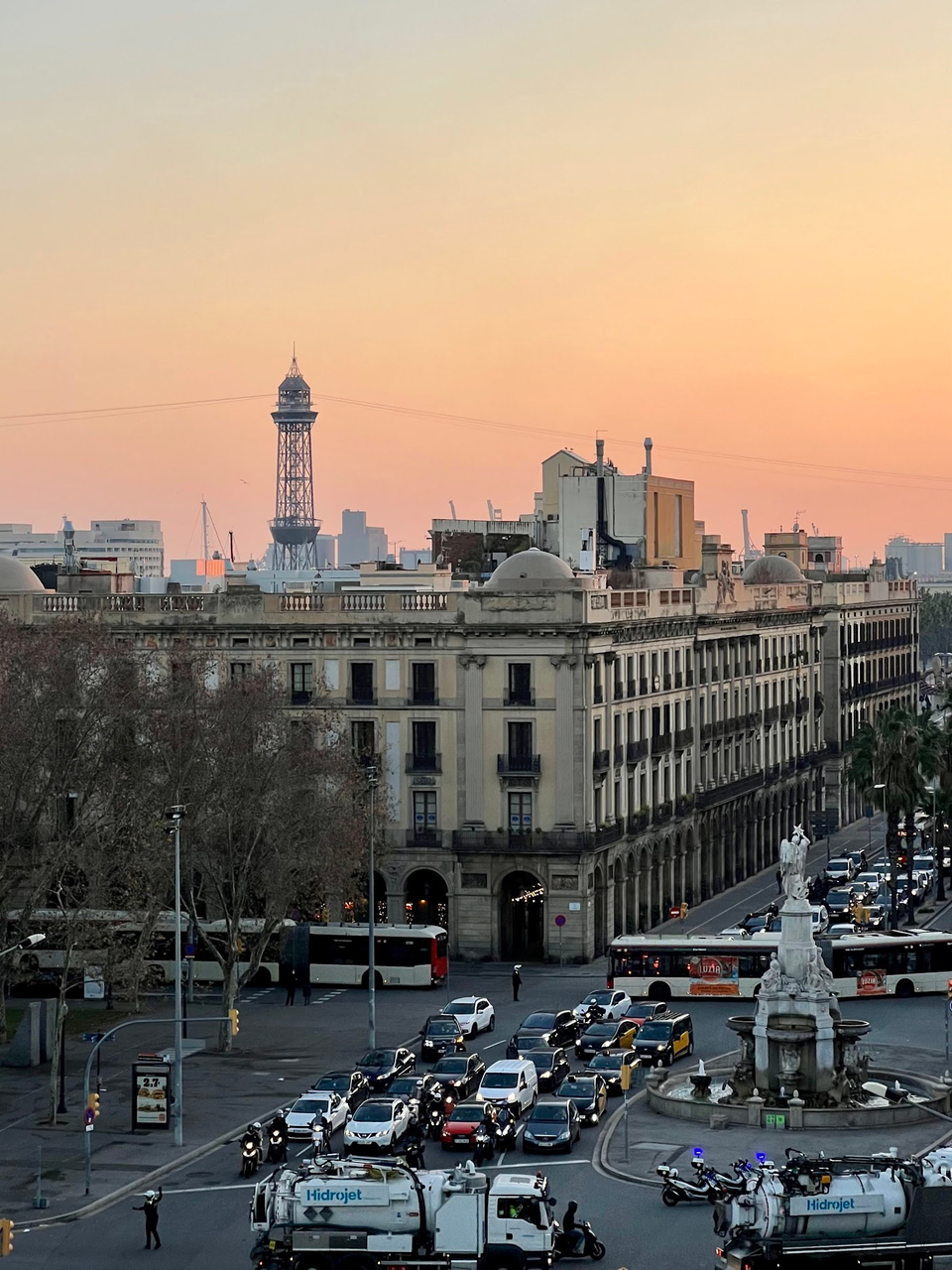
The Motor and Mobility Guild has formally submitted objections to the Barcelona Metropolitan Area's (AMB) new Metropolitan Urban Mobility Plan (PMMU) 2025–2030, warning that restrictions on private vehicles may outpace the availability of viable alternatives.
The plan, approved in May 2025, aims to reduce car use across the metropolitan region and includes measures such as tightening low-emission zones (ZBE) and banning vehicles with yellow environmental stickers from circulating by 2028. It also plans to expand the ZBE to additional municipalities, including Sant Andreu de la Barca, and integrate those already implementing the scheme: Barberà del Vallès, Sant Feliu de Llobregat, Sant Just Desvern, Molins de Rei, and Sant Vicenç dels Horts.
The AMB currently operates 135 cameras within ZBEs, recording over 500,000 number plates daily, and receives around 3,000 public inquiries per month on the subject.
Guild Calls for Balanced Mobility Strategy
The transition cannot be based solely on limiting private vehicles without first ensuring accessible, efficient alternatives for workers and businesses.
The Guild supports the environmental goals of reducing emissions and improving air quality but argues that the PMMU’s timeline risks harming economic activity and territorial cohesion. It stresses that any new limitations on private vehicles must be preceded by rigorous assessments of their social and economic impact.
Instead of further restrictions, the organisation advocates for a multimodal approach combining public transport, active mobility, and low-emission private vehicles. Its proposals include accelerating vehicle fleet renewal, expanding charging infrastructure, ensuring technological neutrality, creating a metropolitan network of park-and-ride sites, and using intelligent mobility solutions.
Public Transport Gaps Highlighted
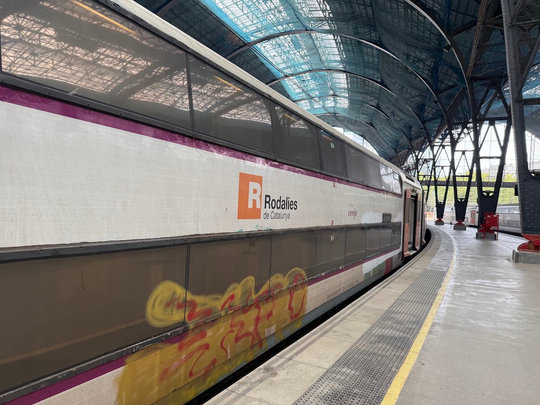
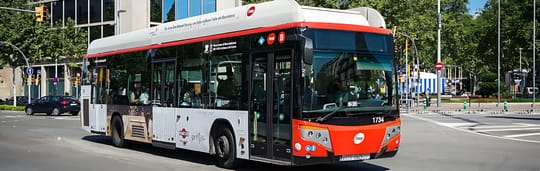
The Guild warns that public transport remains insufficient in several municipalities, potentially leaving residents and businesses without competitive alternatives. The group cites a lack of integrated, reliable services as a key barrier to reducing car dependency.
The PMMU is developed under the Generalitat’s regulatory framework, which requires cities over 50,000 inhabitants to restrict vehicles without green environmental labels. However, the AMB acknowledges it cannot enforce compliance or sanctions in individual municipalities, relying instead on voluntary adoption.
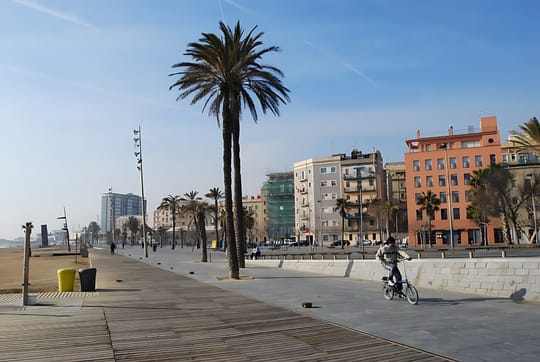
The plan also includes a major expansion of public bicycle networks and integration with Barcelona’s Bicing system, aiming to connect the wider metropolitan area through active mobility corridors.
Reported by foment.com, en.ara.cat, eldiario.es, metropoliabierta.cat, elcatalan.es, elperiodico.com, decidim.barcelona, totbarcelona.cat, hdl.handle.net, larazon.es, Foment del Treball.