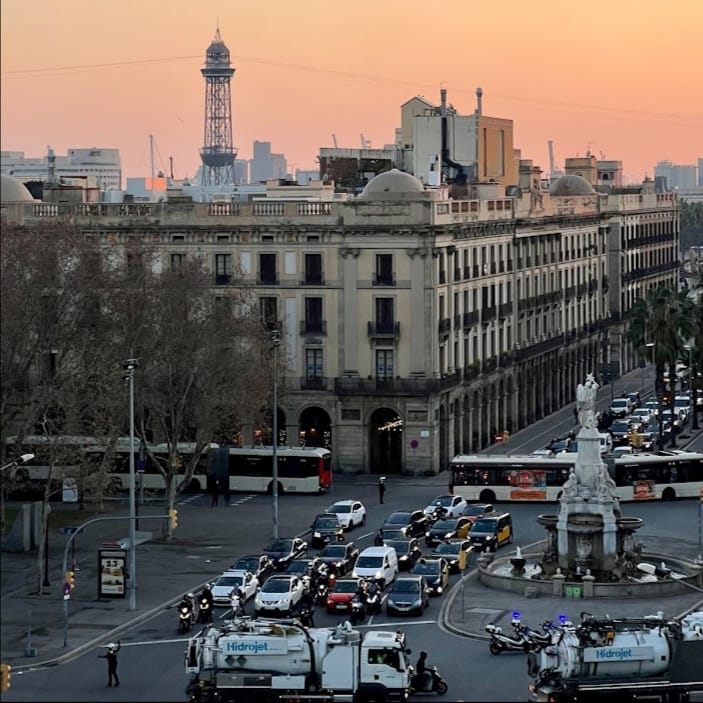
Barcelona’s Low Emission Zone (ZBE), introduced in 2020, is reshaping urban mobility by encouraging residents to use cars less frequently and only when necessary, according to analysis from Tot Barcelona and verified by municipal and environmental data.
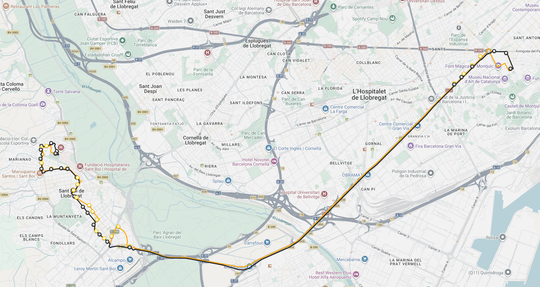
The ZBE covers 95 square kilometres across central Barcelona and parts of the metropolitan area, including Sant Adrià de Besòs, L’Hospitalet de Llobregat, Esplugues, and Cornellà, though key ring roads remain excluded. It restricts access for older, polluting vehicles, such as petrol cars registered before 2000 and diesel models before 2006, contributing to a nearly 16% reduction in nitrogen dioxide (NO₂) levels between 2020 and 2022, according to ISGlobal.
In 2023, Barcelona recorded its lowest NO₂ levels in 25 years, a milestone city officials attribute to the ZBE and complementary measures like public transport decarbonisation, street pedestrianisation, and speed reductions. Deputy Mayor Laia Bonet credited the improvement to “policies and positive decisions,” underscoring the ZBE’s role in cleaner air.
Changing Habits, Not Eliminating Cars
The car is no longer seen as a default for daily use. Instead, many residents now treat it as a tool for specific needs, weekend trips, family visits requiring child seats or luggage, or transporting bulky items. For these cases, renting a car often proves more economical than ownership, especially when factoring in parking, maintenance, insurance, and idle time.
This shift aligns with broader city planning. The new Urban Mobility Plan (PMU) 2025–2030 aims for 85% of all journeys to be made via sustainable modes, walking, cycling, public transport, and personal mobility vehicles, reducing private vehicle use from 19.9% to 15% of trips.
Public Transport Gains Ground
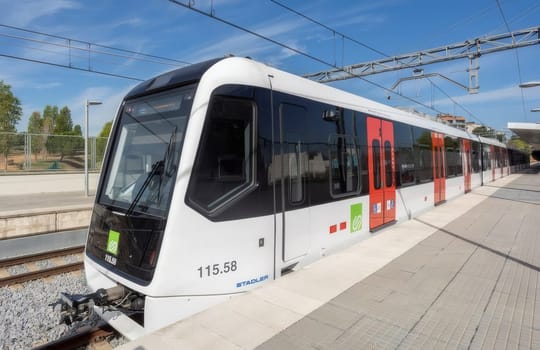
Daily public transport use in the Barcelona area reached a record 3.6 million trips in 2024, accounting for 18.2% of all travel, the highest share since 2017. This marks an 8.6% increase from 2023 and a 9.1% rise compared to 2019, driven largely by discounted season tickets like the T-usual, according to the Metropolitan Transport Authority (ATM).
The SMOU app, managed by BSM, now integrates real-time data for metro, bus, tram, FGC, and Rodalies de Catalunya services, allowing users to plan multimodal journeys. From September, it will include route-planning across all transport modes, reinforcing its role as a central tool for sustainable mobility.
With the integration of public transport into SMOU, we are taking another step in the transition to more sustainable, digital, smart mobility in the city.
, Jaume Collboni, First Deputy Mayor and president of BSM
Planning Over Habit
Residents increasingly make mobility decisions based on total cost of ownership (TCO), journey duration, number of passengers, and cargo needs. The environmental label on vehicles helps avoid ZBE access issues, while route planning reduces errors and improves efficiency.
For work-related trips, where private vehicle use remains highest, the PMU 2025–2030 targets a 25% reduction in car dependency, aiming to shift 250,000 daily commutes to public transport, especially for metropolitan connections.
As Barcelona moves toward a 15-minute city model and expands superblocks, the car’s role continues to evolve: not eliminated, but repositioned as an occasional, purpose-driven option rather than a default.
Primary sources: Barcelona City Council, urban-mobility-observatory.transport.ec.europa.eu, Ajuntament de Barcelona. Reported by totbarcelona.cat, bsmsa.cat, written by Else Beekman, catalannews.com, Clara Blanchar, [email protected], Jordi Serra Martínez, institutmetropoli.cat, europapress.es, uria.com, Tot Barcelona.