Shift in Demographics Across Affluent Districts
Data from the National Statistics Institute (INE) for 2024, combined with population figures as of 1 January 2025, show a growing presence of high-income foreign-born residents in traditionally wealthy areas of Barcelona. In parts of Eixample, Gràcia, and Poblenou, nearly half of the residents were born abroad, challenging the long-standing pattern that linked high income with native-born populations and lower income with immigrants. The analysis, published by ARA on Sunday 22nd November 2026, uses census tract-level data to classify neighbourhoods into four categories based on income relative to the municipal average and levels of foreign-born population. The two most common combinations across Catalonia are high income with low immigration, and low income with high immigration.
Barcelona Breaks the Mold
Barcelona broadly follows this national trend but with significant deviations. Many census sections in the city now break the classic model, particularly in high-income zones with high foreign-born populations, a combination that remains rare elsewhere in Catalonia. This shift is especially visible in central districts where expatriates, often employed in international sectors, have settled in increasing numbers. The term 'expats' refers to foreign-born individuals, typically from high-income countries, who often work in professional or managerial roles.
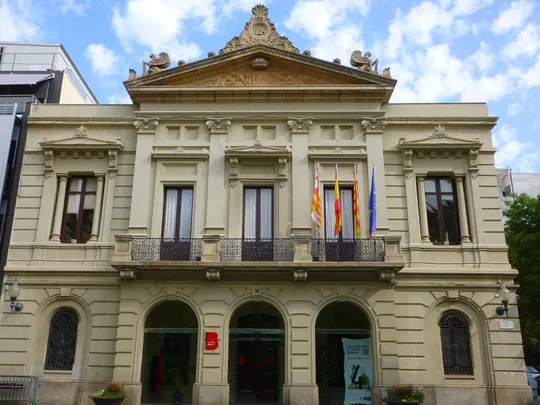
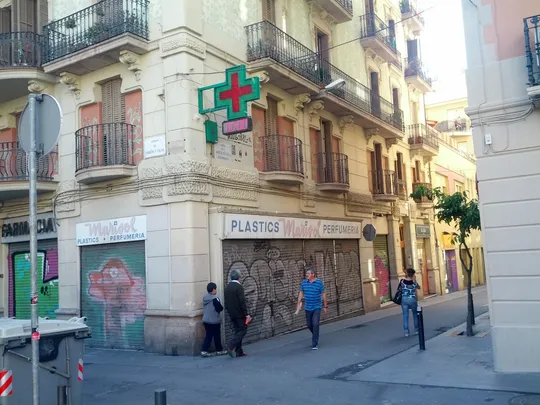
In Barcelona, there are high-income areas in Eixample, Gràcia, or Poblenou where those born abroad represent almost half of the residents.
The data is part of broader socioeconomic indicators compiled by Idescat, the Statistical Institute of Catalonia, which includes labour status, education level, migration, and income. The territorial socioeconomic index provides values for municipalities and sub-municipal units, including census sections and neighbourhoods.
Interactive Tools Reveal Local Patterns
ARA’s interactive maps allow users to explore the relationship between income and origin across all census sections in Barcelona and Catalonia. Net income per person in 2024 is compared against the percentage of foreign-born residents, with thresholds defined relative to each municipality’s average. These tools highlight how local dynamics diverge from regional trends. While most of Catalonia still shows a clear divide between native-born high-income residents and immigrant communities in lower-income areas, Barcelona’s internal variation is pronounced. For residents, this means shifting community compositions in gentrified and central districts. For policymakers, it underscores the need for nuanced urban planning that reflects changing demographic realities.
The full dataset is available through ARA’s interactive feature and Idescat’s public portal, which publishes synthetic results annually, provisional 2024 data was released in June 2026.
Sources: Ara, idescat.cat.