Barcelona is the starting point here, because moving to the city is one thing and settling into it is another. If you are new here, the quickest way to feel at home is to sort the basics first, then build your routine around the neighbourhood you actually live in.
What should you handle before arrival? The practical order matters. Visas, housing, health insurance, school places, tax questions and translations can all take longer than expected, so it helps to treat the move as a sequence rather than one big task. For current immigration rules, check the Spanish Ministry of Inclusion, Social Security and Migration visa pages. For local services and municipal updates, the Barcelona City Council site is a useful starting point. If you want the whole pre-arrival sequence in one place, Spainguru’s Moving to Spain guide walks through visa routes, budgeting and neighbourhood choices step by step.
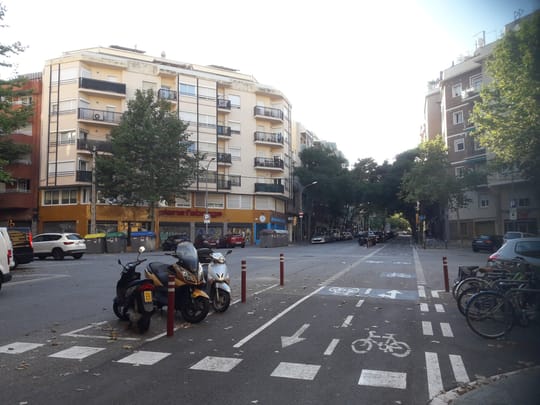
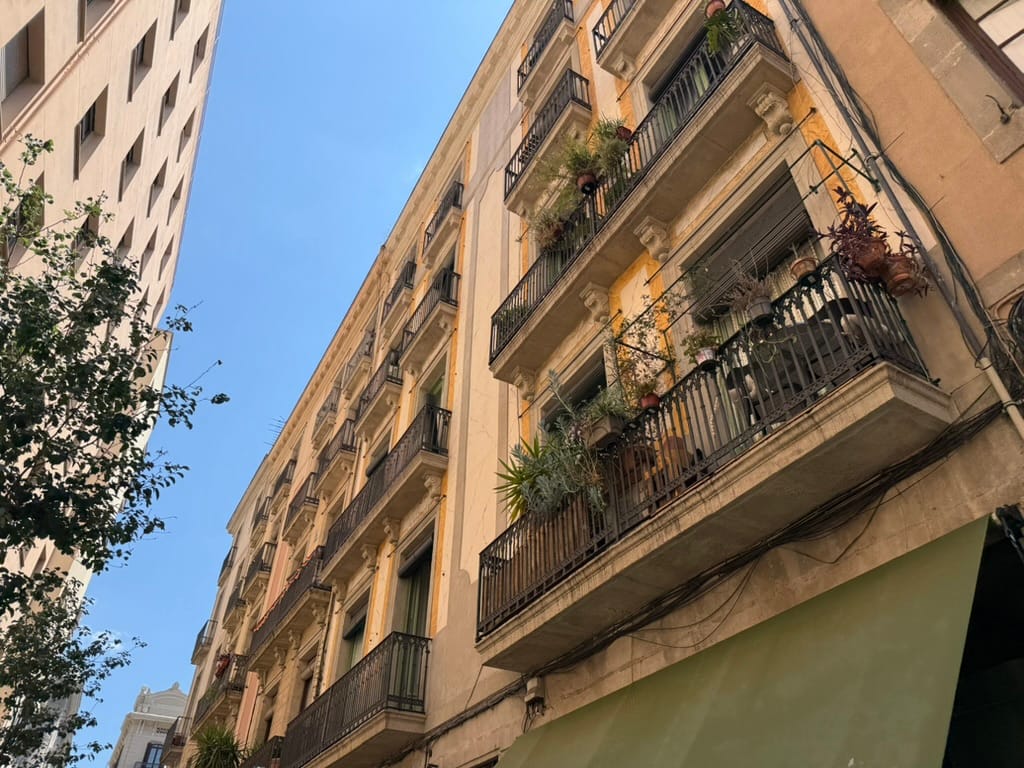
Which part of Barcelona fits your life? The city changes a lot from one district to the next. Sarrià feels different from Gràcia, Gràcia feels different from Eixample, and Eixample feels different from Poblenou. If you work from home, commute daily, or have children, the best area is usually the one that fits your routine, not the one that looks best in photos. A flat near a metro line can matter more than a prettier street if you are crossing the city every day.
What catches people out after the move? The first surprise is often the rhythm of the city. August can feel quieter in many neighbourhoods, with shops, services and even some local offices running reduced hours. Public holidays and neighbourhood festivals can also change how easy it is to get around, and transport strikes can appear with little warning if you are not checking local news. That is why it helps to follow city updates once you arrive, not just before you move.
How do you settle in without wasting energy? Start with the basics locals use every week, the right transport pass, a nearby supermarket, a pharmacy, a GP or private clinic if you need one, and one or two places where you can become a regular. If you are building a social life, community events and local sport are often easier entry points than trying to force a full calendar straight away. For ongoing city coverage, see our Community and Sport pages.
What is the one thing people wish they had known? Barcelona runs on a mix of Catalan, Spanish and English, but not evenly. In some places you will get by in English for a while, yet many everyday tasks still work better if you can handle basic Spanish, and sometimes Catalan too. That matters most when you are dealing with landlords, schools, building managers or local offices, where a small language gap can slow everything down.
Who is this guide for? It is for international residents, renters, families and remote workers who want Barcelona to feel manageable, not just exciting. If you want a city that works for your day-to-day life, the aim is to reduce friction early, then build familiarity one routine at a time. For more local reporting and practical city context, keep an eye on Barna.News.