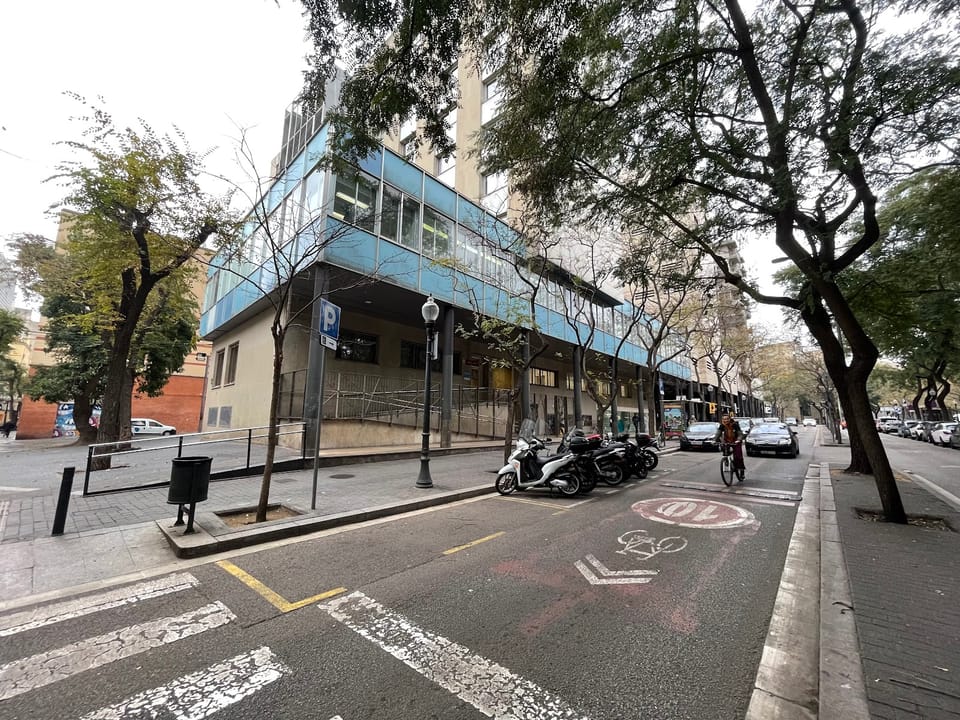
If you have just landed in Barcelona, public healthcare is probably the most useful piece of admin you will do this month. Once you are on the CatSalut roll, your prescriptions, your GP, your specialist referrals and your vaccination record all live inside one system. Here is the order to do it in, the papers you will be asked for, and the bit that catches everyone out.
The short version
You need empadronamiento first. Then you walk into the CAP assigned to your address with your padrón, your NIE or TIE, your passport and your rental contract. They register you, hand you a temporary CIP number on the day, and the physical TSI card turns up by post in roughly three to five weeks. Once you have a CIP, you can install the lameva salut app and start booking appointments.
Step 1: empadronamiento, the gateway
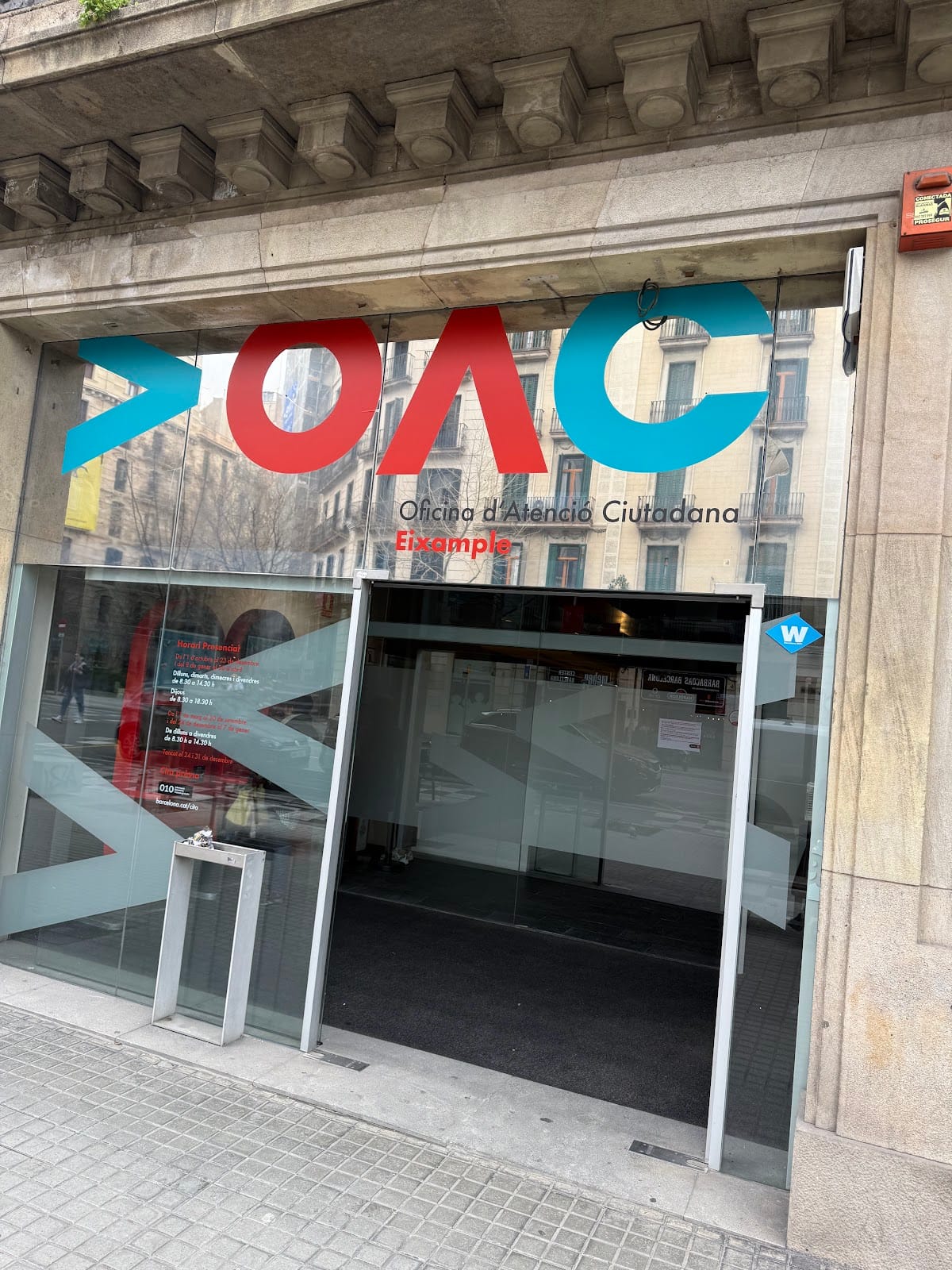
The padrón is your civil registration with the city. It proves where you live, and it is the document the CAP keys everything else off.
Book a slot on ajuntament.barcelona.cat, turn up at the OAC for your district, hand over your passport, your NIE (if you have it; you can register without one), your rental contract and a recent utility bill, and walk out with a sealed padrón certificate the same day.
If you are staying with a friend rather than on a contract, you need a hosting letter (autorización de empadronamiento) signed by the homeowner with their DNI or NIE attached. The Ajuntament website has the template. Some OACs are stricter than others; community reports suggest the Sant Antoni and Gràcia offices have a friendlier reputation, but the rules are technically the same across districts.
Step 2: find your assigned CAP

You do not get to choose. CatSalut assigns you a Centre d'Atenció Primària based on your registered address. Plug your postcode into the lookup at catsalut.gencat.cat and it returns the CAP and the equip d'atenció primària that covers you.
Check the opening hours before you go. Most CAPs run 08:00 to 20:00 weekdays, with limited Saturday cover at a smaller number of larger sites. Phone first if you can; the receptionists are usually the people who know what the queue looks like that morning, and they will tell you whether to walk in or book a slot for the registration appointment specifically. The "alta" (registration) is administrative, not medical, so it sits with the front desk rather than the GP rota.
Step 3: the registration appointment
Bring everything. The list that holds up across districts:
Passport. NIE certificate or physical TIE card. Padrón certificate, the original sealed one, not a screenshot, and issued within the last three months, because CatSalut will not take an older one. Rental contract or property deed in your name. EU residence certificate if you are an EU citizen. Spanish bank account details if you have them, useful for some forms but not always required.
The receptionist will fill in your record, take a photo or scan of your documents, and issue a temporary CIP number on a printed slip. That CIP is what you use to book appointments and pick up prescriptions until the physical card arrives.
If something is missing (and something usually is), they will tell you what to come back with rather than starting over from scratch. Bring a notebook and write down the exact wording they use; "rental contract" can mean a notarised lease or just a signed PDF depending on who is asking.
Step 4: the lameva salut app
Once you have a CIP, install lameva salut from the App Store or Play Store. You verify your identity with your CIP, your DNI or NIE, and a code sent by SMS to the number on your CAP file. Make sure that number is right at registration; chasing it down later is fiddly.
Inside the app you can book GP appointments, see your active prescriptions and dispensing schedule, read consultation notes after your visits, download vaccination history as a PDF, and view hospital reports (with a few days of delay). The booking interface is the weak spot; for anything urgent, ringing your CAP still beats trying to find an available slot in the app.
If the app keeps rejecting your details, the most common cause is a duplicate record: you have been registered twice, once on a temporary CIP and once on a permanent one, and the system cannot reconcile them. The fix is to ring the CAP and ask them to merge.
Step 5: the physical TSI card
The TSI (Targeta Sanitària Individual) arrives by ordinary post to your registered address, typically three to five weeks after registration. It carries your CIP number on the front and is the card pharmacists ask to see when you collect a prescription.
Keep it in your wallet; you will use it more than your bank card in the first year. Most farmàcies also accept the digital version in the lameva salut app in 2026, but the physical card is the cleanest fallback. If it does not arrive after six weeks, ring the CAP and ask them to chase. Lost cards are reissued from the same desk at no charge for the first replacement.
If you are on a visa that requires private cover
CatSalut registration is a parallel system to your private policy, not a replacement.
If your visa class requires private health insurance (student visa, non-lucrative visa), you still register with the CAP, you still get the TSI, you still use the app. Your private policy sits alongside it, and many specialists are reachable through either route. The advantage of having both is real: the public system handles your routine care for free, and the private policy gives you faster specialist access when you need it.
If you are on a work visa or as a salaried employee, you are automatically on the public system through your employer's seguridad social contributions. The registration steps above still apply; what changes is the funding mechanism.
What most people miss
The CIP printout from registration day is enough to get prescriptions filled and book appointments. You do not need to wait for the physical card to start using the system.
And if you change address mid-year, you have to update both the padrón and the CAP. Moving flat without redoing the padrón is the single most common reason people end up locked out of their own medical records: the new address does not match the CAP file, and the system gets confused. A 15-minute visit to the OAC and a phone call to the CAP fixes it; ignoring the change creates weeks of friction.
Community experience, not medical advice. For anything urgent or unclear, call 061 or 112, or contact your GP.
Founder or freelancer in Barcelona?
Sorting out your CAP and padrón is one of those jobs that goes faster when someone who has just done it can point you the right way. That kind of help is exactly what the Barcelona English Speakers community is for: 4,000+ residents across 20+ free, moderated WhatsApp groups covering admin, flat-hunting, neighbourhoods and settling in. Come and join us.