Police crack down on tourist-targeting pigeon feeders
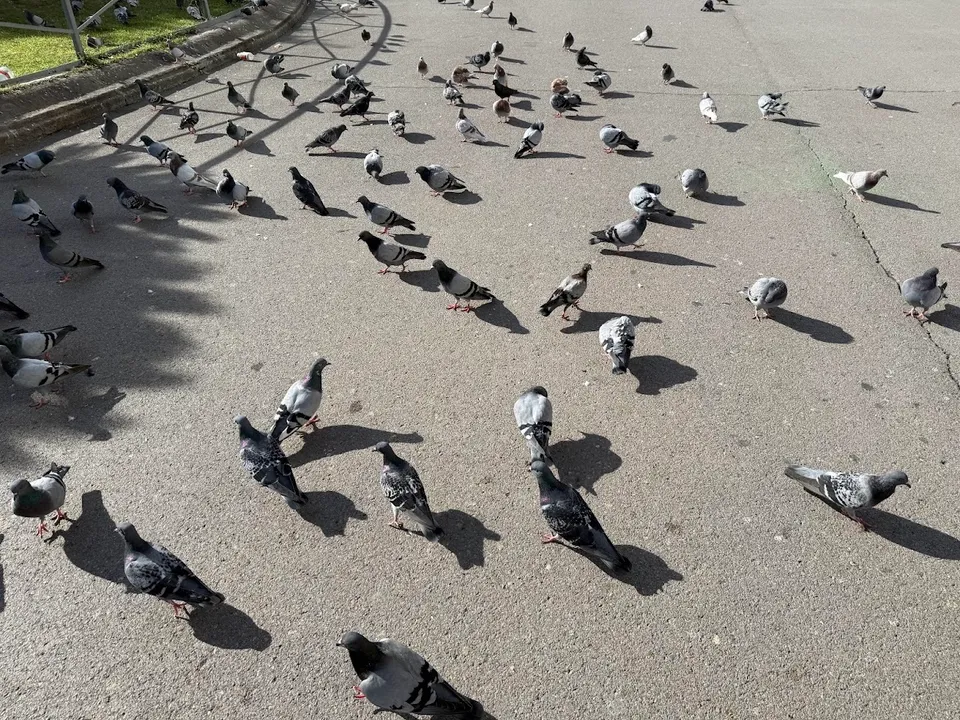
On Tuesday 17th November 2026, the Guàrdia Urbana (Barcelona's municipal police) fined a man and a woman who lead a group of five people regularly seen feeding pigeons in Plaça de Catalunya to encourage tourists to take photos with the birds. The pair were penalised for scattering food in public spaces, a violation that can carry a fine of up to €750 in flagrant cases. Although feeding pigeons is not strictly banned in Barcelona, doing so in a way that litters streets with food is prohibited under municipal regulations. The city has long campaigned against overfeeding urban pigeons, citing risks to public health, damage to buildings from droppings, and the spread of disease among birds due to overcrowding.
The objective of the municipal management is to reduce the density of the urban pigeon population to levels compatible with civic coexistence.
Repeat activity despite penalties
Despite the fines, the same individuals returned to the upper part of Plaça de Catalunya on Wednesday 18th November 2026, carrying bags of bird feed and resuming their activity as soon as they confirmed no police were present. Tourists who engaged with them typically gave a few coins rather than the €5 requested, with the feeders responding with expressions of disappointment but accepting the amount without protest. The practice forms part of a broader pattern of informal and sometimes misleading tourist interactions in central Barcelona, including parakeet handlers in Parc de la Ciutadella and street vendors on La Rambla who offer jewellery 'gifts' before demanding payment.
City's long-term strategy on pigeon control
Barcelona City Council’s animal welfare service (Ajuntament de Barcelona) states that its approach focuses on long-term, ethical population control. This includes public awareness campaigns against feeding pigeons with human food, discouraging nesting on private and public buildings, and administering contraceptive treatments to high-density colonies. The council warns that excess food leads to overpopulation, increased disease transmission, and attracts pests such as rats and insects. Residents and visitors are encouraged to report nesting sites via the city’s 010 hotline or citizen mailbox.
Sources: La Vanguardia, Ajuntament de Barcelona.