Update, 9th November 2026: On the first day of the strike, hundreds of workers blockaded key entrances at major Catalan meat processing plants, including Friselva, Corporació Alimentària Guissona and Mafrica, using barricades to stop truck movements and halt operations, according to Crónica Global.
Workers in the Spanish meat industry are facing pressure not to join a five-day national strike that began today, Monday 9th November 2026, with some employees reportedly told they would lose 250 euros per day if they do not work, the UGT-FICA union has warned.
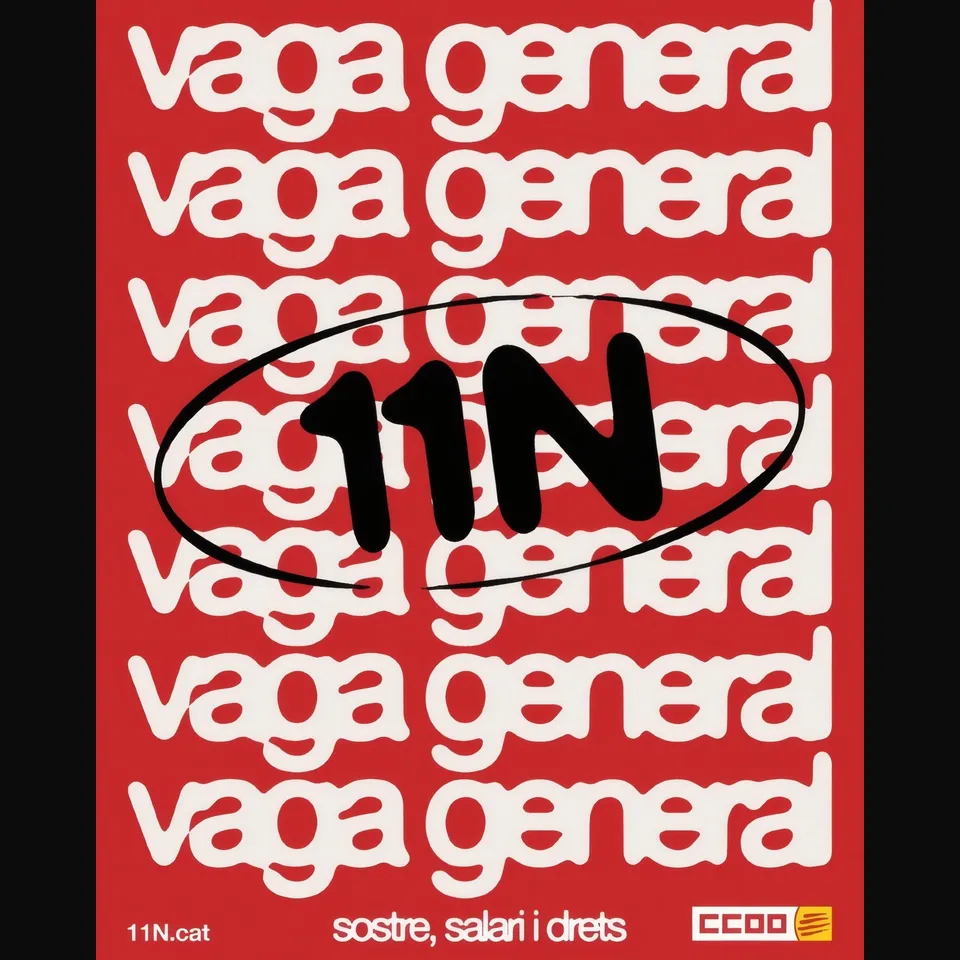
The strike, called by CCOO and UGT and running from 9th to 13th November, coincides with broader labour tensions and will overlap on 11th November with a national housing protest. The meat sector, a major component of Catalonia’s agri-food economy, has seen repeated disputes over pay, working hours and conditions.
According to Alicia Buil, secretary of the agri-food sector at UGT-FICA Catalonia, workers in some companies have been questioned by middle managers about their strike intentions, while others have received warnings of financial penalties or job losses if the strike disrupts client supply. “This is absolutely intolerable,” Buil stated, noting that such actions violate both the constitutional right to strike and national labour law.
One worker, speaking anonymously, described how cutting room coordinators claimed they would deduct 250 euros per strike day. However, under the current 2024–2025 pay agreement, a skilled first-class worker earns 21,393 euros annually, equivalent to a daily loss of approximately 80 euros for absence. The 250-euro figure far exceeds standard deductions, suggesting punitive measures beyond legal norms.
Union representatives say the pressure is more pronounced in workplaces without established works councils, where employees, many of them recent migrants, are less aware of their rights. Cèsar Palacios, general secretary of CCOO Industry for Vallès Oriental, Maresme, and Osona, noted that even questioning staff about strike participation exerts psychological pressure.
Demands and Employer Response
The strike centres on stalled negotiations for a new state collective agreement. Key union demands include a minimum 5% annual wage increase from 2026 to 2028, reinstatement of a CPI-linked salary review clause, and resistance to increasing the working hours bank from 145 to 165 hours. The latter would allow employers to extend shifts during peak production periods.
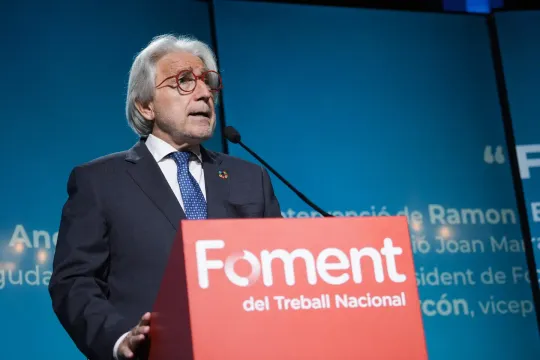
Employers, represented by the National Association of Meat Industries of Spain (ANICE) and the Business Federation of Meat and Meat Industries (FECIC), offered a 4% raise for 2026 and lower increments for subsequent years, with uncapped CPI adjustments. FECIC general secretary Ignasi Pons said the sector had made sustained efforts, stating, “We have spent a year making proposals, and everything has seemed insufficient.”
“They instill fear by saying that if the company loses clients, they will have to lay off workers.”
Palacios highlighted concerns over workplace safety, citing fast slaughter line speeds and the use of sharp tools. Workers also report unsustainable paces, with some plants doubling pig processing volumes without proportional staffing increases.
Legal and Economic Context
The Spanish meat industry generated over 42 billion euros in turnover in 2025 and supports more than 124,000 direct jobs, according to ANICE. Despite this, some companies face challenges from African swine fever (ASF), with the Patel slaughterhouse in Osona operating under an ERTE (temporary employment regulation file).
FECIC denies systemic pressure on workers, calling reported cases “one-off.” However, UGT-FICA is gathering evidence to file complaints with the Labour Inspectorate. A prior controversy over the use of sham self-employment via cooperatives remains a point of tension, though companies claim reforms are underway.
Sources: elDiario.es, ugt.cat.