Madrid Advances with First EU-Level Robotaxi Authorisation
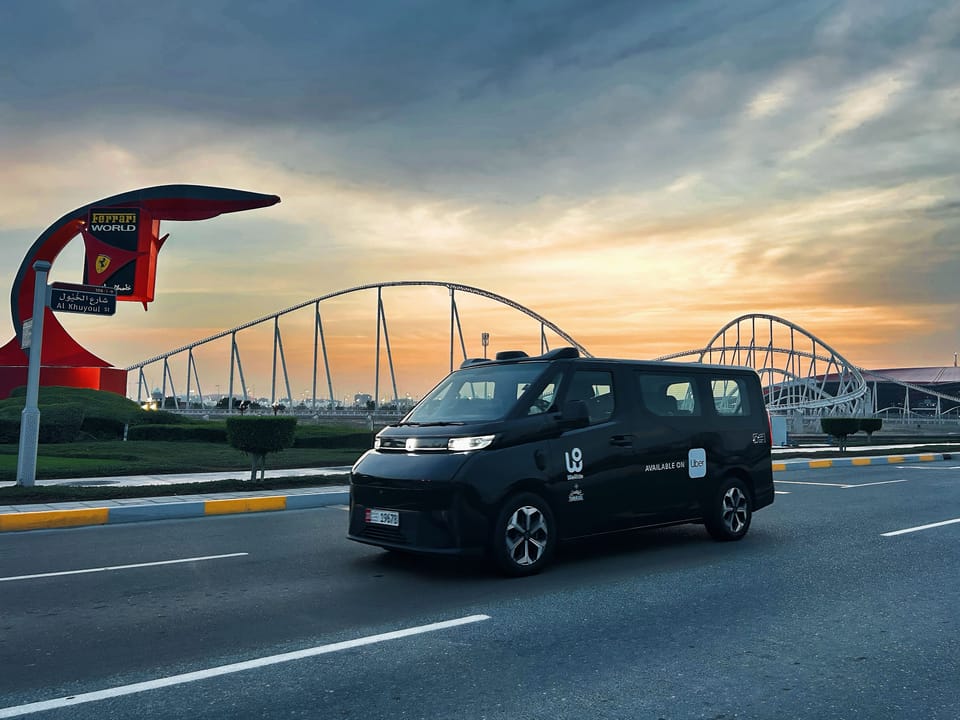
Uber, WeRide and Avomo have received Spain’s first national operating licence for level 4 self-driving passenger vehicles, issued by the Directorate General of Traffic (DGT) under its ES-AV regulatory framework. The permit, granted in September 2026, allows preparatory work including street mapping and route validation ahead of a planned commercial launch in the Community of Madrid. Around twenty WeRide GXR five-seater autonomous vehicles, based on the Geely Farizon SV platform, will begin mapping operations in Madrid before the end of 2026. Commercial service with passengers is expected to start by the end of the year, with a safety specialist on board. Full operation without any safety occupant will not begin until 2027, pending positive test results and compliance with DGT milestones. The Madrid robotaxi initiative covers high-demand areas including Sanchinarro, Las Tablas, Arturo Soria, Hortaleza, and Alcobendas. Madrid becomes the fourth city in a global partnership between WeRide and Uber, which plans to expand to 11 additional cities by 2030.
Barcelona Excluded Amid Regulatory Delays
While Madrid moves forward, Barcelona is not on Uber’s deployment agenda. The lack of alignment with local administrations and ongoing pressure from taxi drivers have stalled any plans for robotaxis in the Catalan capital. The new regional law for passenger transport in vehicles with up to nine seats, also known as the taxi law or Tito’s law, does not currently contemplate autonomous vehicles. According to jurist Marc Tarres, the new regulation should have included provisions for future technological developments, especially given that the Sustainable Mobility Law already provides for such vehicles. The law, initially expected in spring 2026, is now not anticipated this year.
The autonomous vehicle makes that regulation even more urgent,
, Tito Álvarez, founder of Élite Taxi Álvarez, speaking from the Caribbean, stressed the need for public control over mobility services to prevent multinational companies from dominating the market unchecked.
Taxi Sector Tensions Grow in Catalonia
Eight taxi associations recently opposed the proposed taxi law, questioning Tito Álvarez’s representativeness and demanding that the Generalitat restart the consultation process. They argue that the taxi industry is diverse and that their voices must be heard. Muhammad Bilal, from Aurora, the largest association of VTC drivers, warned that over 3,000 drivers await court rulings in their favour and are ready to protest if administrative penalties continue. He also reported incidents of harassment by some taxi groups, including vehicle blockades and forced passenger removals, which he says have intensified in Álvarez’s absence. With regulatory uncertainty and rising tensions, Barcelona’s transport environment appears increasingly inhospitable to pioneering mobility technologies.
Primary sources: acco.gencat.cat. Reported by lavanguardia.com, madridnoticias.com, just-auto.com, La Vanguardia Barcelona.