Merche García, the Síndica (citizen's defender) of L'Hospitalet de Llobregat, has again called for an emergency social services unit to assist residents outside regular operating hours. Her latest report, presented to the municipal council on Tuesday, 28 April, details 905 actions taken in 2025. This marks a significant increase in citizen complaints and consultations. This demand aims to provide a clear point of reference for individuals and families requiring immediate support when basic social service centres are closed.
Rising Demands for Citizen Support
The report highlights a nearly 40% rise in interventions compared to 2024. This continues the exponential growth the Síndica's office has experienced since its establishment in 2018. These 905 actions in 2025 included 211 initiated files, 31 formal complaints, and 663 consultations. García noted that 83% of these files have concluded their processing. The remaining 17% are still in process, well within the regulatory timeframes for resolution. The percentage of closed files also surpassed the previous year's figure of 71%, despite the overall increase in interventions.
Urgent Need for Emergency Social Services
García stressed the critical need for accessible social services. She stated, "It is key because citizens have the right to an individual, family, or cohabitation social care plan." This demand stems from ongoing complaints about difficulties accessing basic social services professionals in person. The Síndica urges the local government to analyse the organisation of these basic areas. She also recommends increasing the number of social services staff. This aims to improve efficiency, reduce waiting lists, and establish the proposed emergency service. Social services represented 15.9% of the total interventions in 2025, a slight decrease from 17.3% in the previous year.
Housing Crisis and Support
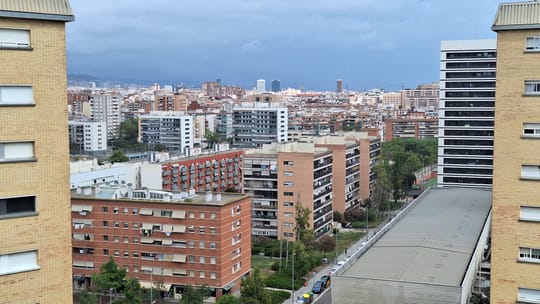
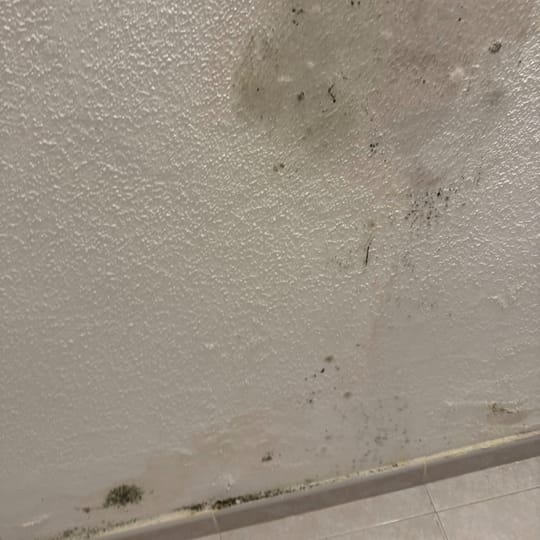
Housing remains a major concern in L'Hospitalet, a densely populated city bordering Barcelona. García's report addresses cases linked to housing loss, often due to evictions. She insists the council must "ensure an adequate supply of housing and neighbourhood facilities for all citizens, without distinction due to income level." The Síndica also highlighted the importance of a social housing reserve. This would allow for immediate responses to social and economic emergencies. García further emphasised the need to "continue advancing" in improving support for families at risk of losing their homes. This involves helping them find stable housing before eviction occurs. It also aims to minimise the anguish and helplessness experienced by families, who often have children in their care.
Guaranteeing Rehousing for Vulnerable Families
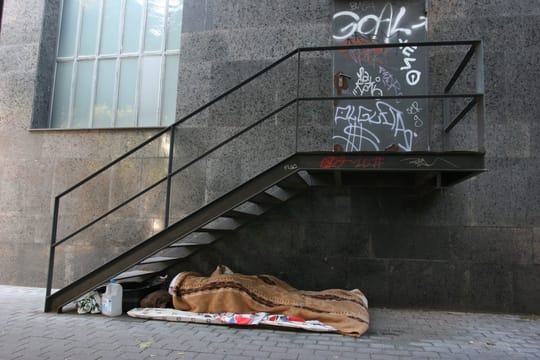
The report explicitly states that "Social Services must guarantee the temporary rehousing of these families until they have the housing assigned by the L'Hospitalet de Llobregat Emergency Board, ensuring at all times that they will not be left on the street." This commitment is vital for vulnerable residents in the Barcelona metropolitan area. It provides a safety net during periods of extreme precarity. The Síndica's office continues to mediate in these complex situations, working to protect residents' fundamental rights.
Public Space Dominates Complaints
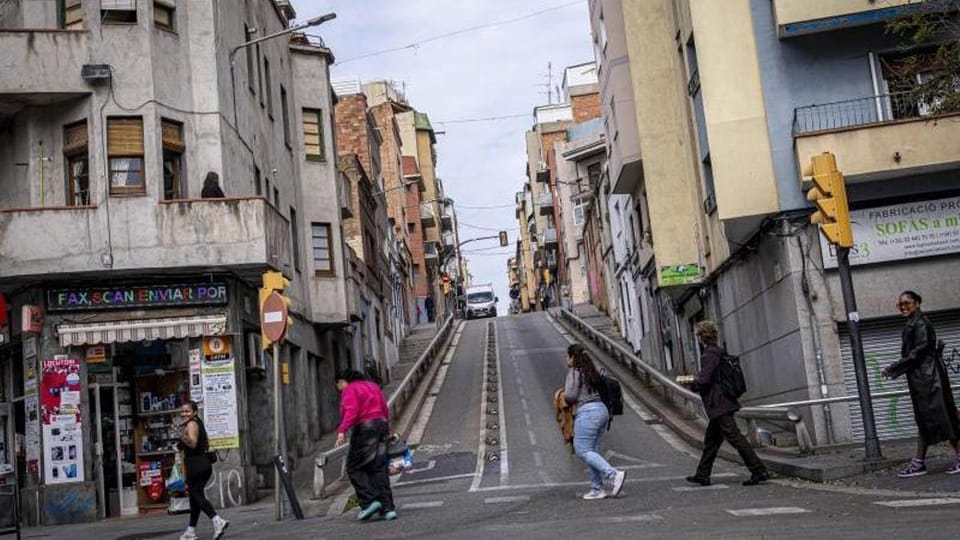
Complaints about public spaces formed the largest category of interventions in 2025, rising from 32.1% to 39.2% of the total. Residents frequently reported issues with street and equipment maintenance. These included poor lighting, inadequate cleaning, deteriorating asphalt, and a lack of green spaces. Other common grievances involved accumulated dirt in specific areas. Residents also requested changes to the location of rubbish bins, often citing long-standing placement under windows or balconies. These issues directly impact the daily lives and quality of life for L'Hospitalet's diverse population.
Addressing Local Nuisances and Education
The report also revisited the long-standing problem of noise from La Farga's motors. This issue has created conflict between residents of Isabel la Catòlica street and the shopping centre for years. While public space issues dominated, other significant areas included safety and coexistence (9.5%) and public function (9.09%). No other category reached the 10% threshold. García also addressed educational challenges in the city. She requested improvements to school facilities and an expansion of educational centres. This aims to combat high student-to-teacher ratios, particularly in L'Hospitalet's northern zone. The Síndica's repeated calls for an emergency social services unit show the ongoing need for immediate support for vulnerable families. Her report underscores the council's responsibility to address these critical urban and social issues affecting the city's residents.
Come and join our Barcelona English Speakers community on WhatsApp.
Originally published by El Periódico Barcelona. Read original article.